Heart Disease: A Complete Guide to Symptoms, Causes, and Treatment
Heart disease is the leading cause of death globally, responsible for approximately 17.9 million deaths every year. In India, it is also the single largest killer, affecting people at increasingly younger ages. Despite its prevalence, heart disease is largely preventable and treatable when caught early.
This guide is written for patients, caregivers, and anyone who wants to understand heart disease better — covering causes, symptoms, diagnosis, treatment, and practical steps to protect your heart.
What Is Heart Disease?
Heart disease, also called cardiovascular disease (CVD), is an umbrella term for a range of conditions that affect the heart’s structure and function. These include coronary artery disease, heart failure, arrhythmias (abnormal heart rhythms), heart valve disease, and congenital heart defects.
The most common type is coronary artery disease (CAD), caused by the buildup of plaque in the coronary arteries that supply blood to the heart. When blood flow is severely reduced, a heart attack can occur.
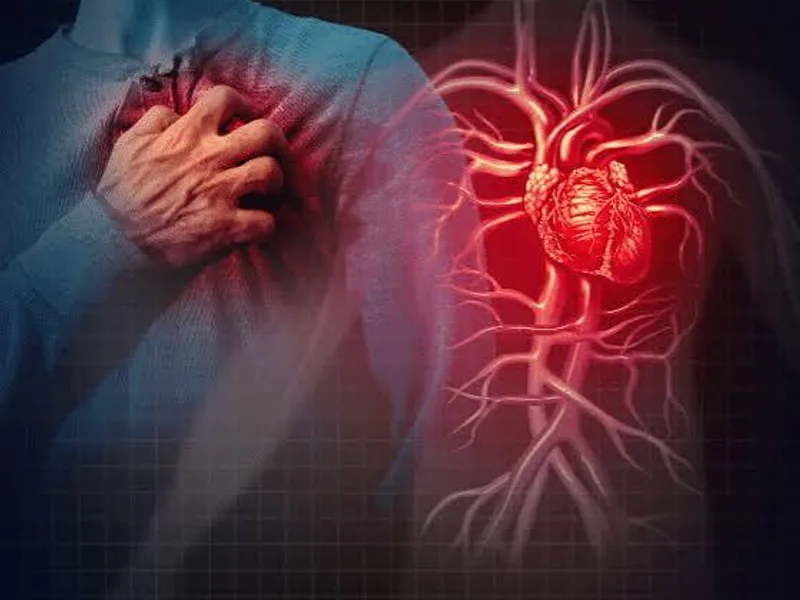
How the Heart and Circulatory System Are Affected
The heart is a muscular pump that beats about 100,000 times a day, circulating oxygenated blood throughout the body. In heart disease, this intricate system is compromised in various ways.
• In coronary artery disease, plaque buildup (atherosclerosis) narrows the arteries, reducing blood flow.
• In heart failure, the heart muscle becomes too weak or too stiff to pump effectively.
• In arrhythmias, the electrical system that controls heartbeat becomes abnormal.
• In valve disease, damaged valves disrupt the normal flow of blood through the heart chambers.
Causes and Risk Factors
Main Causes
• Atherosclerosis: Plaque buildup in coronary arteries — the primary cause of heart attacks.
• High blood pressure: Strains the heart and damages artery walls over time.
• Diabetes: Accelerates arterial damage and increases cardiovascular risk.
• Congenital defects: Structural heart abnormalities present from birth.
• Infections: Rheumatic fever can damage heart valves.
Risk Factors
• Smoking and tobacco use
• Physical inactivity and sedentary lifestyle
• Obesity and poor diet
• High cholesterol and triglycerides
• Stress and mental health conditions
• Family history of heart disease
• Age: Men over 45, women over 55 face higher risk
Early Warning Signs
• Chest discomfort or pressure, especially with activity
• Shortness of breath with mild exertion or at rest
• Unusual fatigue or weakness
• Heart palpitations or irregular heartbeat
• Swelling in the legs, ankles, or feet
• Dizziness or lightheadedness
• Jaw, neck, or back pain (common in women)
Common Symptoms
During a Heart Attack
• Crushing chest pain or tightness lasting more than a few minutes
• Pain radiating to arm, shoulder, neck, or jaw
• Cold sweats, nausea, and vomiting
• Sudden shortness of breath
In Chronic Heart Disease
• Persistent fatigue and reduced exercise tolerance
• Frequent need to urinate at night (heart failure)
• Persistent cough or wheezing (pulmonary congestion)
• Rapid weight gain from fluid retention
Stages of Heart Disease
• Stage A: High risk but no structural heart disease. Risk factor management is the priority.
• Stage B: Structural heart disease present but no symptoms of heart failure.
• Stage C: Structural disease with current or prior heart failure symptoms.
• Stage D: Advanced heart failure requiring specialized interventions.
How Doctors Diagnose the Condition
• ECG (Electrocardiogram): Records the heart’s electrical activity.
• Echocardiogram: Ultrasound image of heart structure and function.
• Stress test: Evaluates heart performance under physical exertion.
• Coronary angiography: X-ray imaging of the coronary arteries.
• Blood tests: Troponin levels, lipid profile, BNP for heart failure.
Consulting a qualified Cardiologist promptly at the first signs of heart trouble is critical. Early evaluation can prevent a minor warning from becoming a life-threatening event.
Available Treatment Options
Medications
• Statins: Reduce cholesterol (e.g., atorvastatin, rosuvastatin).
• Beta-blockers: Lower heart rate and blood pressure.
• ACE inhibitors/ARBs: Reduce cardiac workload and protect kidneys.
• Antiplatelet agents: Aspirin, clopidogrel — prevent clot formation.
• Diuretics: Remove excess fluid in heart failure.
• Antiarrhythmics: Control abnormal heart rhythms.
Surgical Interventions
For blocked coronary arteries, procedures like Coronary Angioplasty (stenting) or CABG surgery are performed. Angioplasty opens narrowed arteries using a balloon catheter and stent, while CABG uses a blood vessel graft to bypass blocked segments.
Cardiac Rehabilitation
• Supervised exercise programs tailored to heart patients.
• Nutritional counseling and heart-healthy dietary education.
• Psychological support to manage stress and anxiety.
Lifestyle Management
• Stop smoking immediately: It is the single most impactful change for heart health.
• Follow a heart-healthy diet: Low in saturated fat, sodium, and added sugar.
• Exercise regularly: At least 150 minutes of moderate activity per week.
• Control blood pressure: Target below 130/80 mmHg.
• Manage diabetes: Keep HbA1c levels within target range.
• Achieve and maintain a healthy weight.
Daily Living Tips for Patients
• Monitor blood pressure and heart rate at home daily.
• Take medications exactly as prescribed without skipping doses.
• Avoid sudden intense exertion; warm up before exercise.
• Limit alcohol to moderate levels or avoid entirely.
• Manage stress through yoga, meditation, or counseling.
• Attend all scheduled cardiology follow-ups.
Complications if Left Untreated
• Heart attack: Complete blockage of coronary arteries.
• Heart failure: Heart unable to pump sufficient blood.
• Stroke: Blood clots from the heart reaching the brain.
• Peripheral artery disease: Reduced blood flow to limbs.
• Sudden cardiac death from ventricular fibrillation.
• Kidney failure secondary to poor cardiac output.
Seeking care at a best hospital for Heart Disease with a dedicated cardiac ICU, catheterization laboratory, and cardiac surgery team can be life-saving in emergencies.
Prevention and Risk Reduction
• Know your numbers: blood pressure, cholesterol, blood sugar, BMI.
• Eat a Mediterranean or DASH diet.
• Get 7–8 hours of quality sleep per night.
• Limit sedentary behavior; take breaks from prolonged sitting.
• Annual cardiac health checkups from age 40 onward.
• Vaccinate against flu and pneumonia — infections can strain the heart.
Frequently Asked Questions (FAQs)
1. What are the first signs of heart disease?
Early signs include unusual fatigue, chest discomfort, shortness of breath, and palpitations. Many people overlook these subtle warnings, which is why regular check-ups are essential.
2. Can heart disease be reversed?
With aggressive lifestyle modification and medical therapy, early-stage atherosclerosis can be slowed and some plaques may even regress. However, significant blockages typically require medical or surgical intervention.
3. Is heart disease hereditary?
Genetics do contribute to heart disease risk. If a parent or sibling had early heart disease (before 55 in men or 65 in women), your risk is higher and earlier screening is recommended.
4. Can women have heart attacks differently?
Yes. Women often experience atypical symptoms like jaw pain, nausea, back pain, and fatigue rather than the classic crushing chest pain. This sometimes leads to delayed diagnosis.
5. Is a fast heartbeat always dangerous?
Not always. Exercise, caffeine, and anxiety can all temporarily increase heart rate. However, persistent or unexplained palpitations, especially with dizziness, should be evaluated promptly.
6. What is the best diet for heart health?
The Mediterranean and DASH diets are the most evidence-supported heart-healthy eating patterns. They emphasize fruits, vegetables, whole grains, lean proteins, and healthy fats.
7. How long after a heart attack can you exercise?
Most patients begin supervised cardiac rehabilitation within 1–2 weeks of a heart attack. The timeline depends on the severity and any procedures performed. Always follow your cardiologist’s guidance.
8. Can stress cause a heart attack?
Yes. Severe emotional stress can trigger acute cardiovascular events, including heart attacks, in susceptible individuals. Chronic stress also contributes to hypertension and inflammation.
9. What is the difference between a heart attack and cardiac arrest?
A heart attack occurs when blood flow to part of the heart is blocked. Cardiac arrest is when the heart suddenly stops beating. A heart attack can trigger cardiac arrest, but they are distinct events.
10. How often should I have my heart checked?
Adults should have blood pressure checked annually from age 18. Cholesterol, blood sugar, and cardiac risk assessment should begin at 35–40, or earlier with risk factors.
Conclusion
Heart disease is serious, but it is also among the most preventable chronic conditions. By managing risk factors, adopting a heart-healthy lifestyle, and seeking timely medical care, the majority of heart-related deaths can be avoided.
Your heart works every second of every day. Give it the care it deserves. If you have concerns about your heart health, consult a cardiologist today and take proactive steps toward a longer, healthier life.