Hyperthyroidism: Understanding the Overactive Thyroid
Hyperthyroidism is a condition where your thyroid gland produces too much thyroid hormone. Often called an overactive thyroid, this condition affects millions of people worldwide and can significantly impact quality of life. The good news? With the right diagnosis and treatment, most people manage it well and live full, healthy lives.
What is Hyperthyroidism?
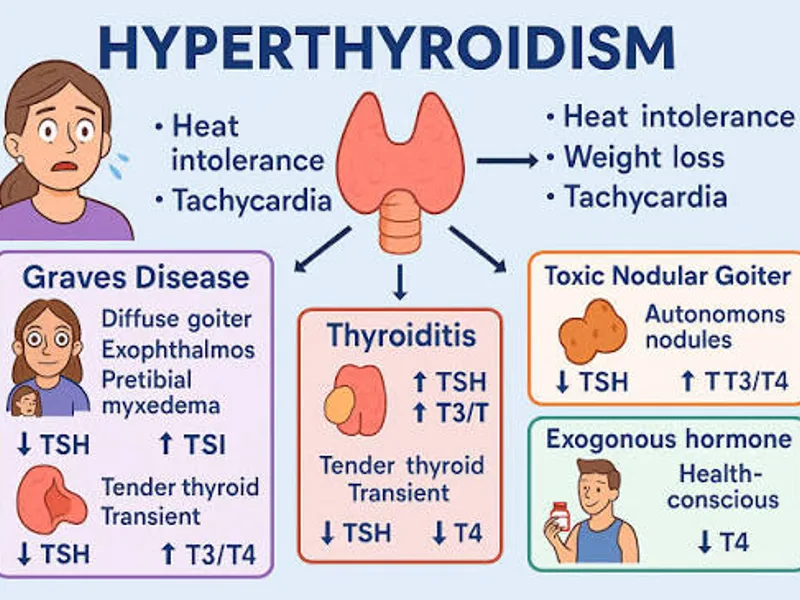
The thyroid is a small butterfly-shaped gland in the front of your neck. It produces hormones — primarily thyroxine (T4) and triiodothyronine (T3) — that regulate nearly every metabolic process in your body. When the thyroid goes into overdrive and makes too much of these hormones, it's called hyperthyroidism. Think of it like a car engine running too fast — everything speeds up, from your heart rate to your digestion.
How the Immune System Normally Works
Your immune system is your body's defence force. It identifies foreign invaders — bacteria, viruses, harmful substances — and destroys them. A healthy immune system distinguishes between the body's own tissues (self) and threats (non-self). White blood cells, antibodies, and specialised proteins all work together in a coordinated response to protect you. In a normal state, your immune system would never attack your own thyroid gland.
What Goes Wrong in Hyperthyroidism
In many cases of hyperthyroidism — particularly in Graves' disease — the immune system makes a critical error. It produces abnormal antibodies called Thyroid-Stimulating Immunoglobulins (TSIs). These antibodies mistakenly bind to the thyroid and mimic the signal normally given by the pituitary gland, telling the thyroid to produce more and more hormones. The thyroid cannot differentiate a false signal from a real one, so it keeps producing excess hormones. This autoimmune malfunction is the root cause in most hyperthyroidism cases.
Causes and Triggers
Several conditions and factors can trigger hyperthyroidism:
• Graves' Disease — the most common autoimmune cause, responsible for about 70-80% of all cases
• Toxic Nodular Goitre — benign lumps (nodules) in the thyroid that overproduce hormones
• Thyroiditis — inflammation of the thyroid, often following a viral infection
• Excessive iodine intake from medications or supplements
• Overuse of thyroid hormone medication
Genetic and Environmental Factors
Genetics plays a notable role — hyperthyroidism tends to run in families. If a close relative has an autoimmune thyroid condition, your risk is higher. Environmental triggers include chronic stress, smoking (which significantly raises the risk of Graves' disease), pregnancy (which can trigger thyroid dysfunction), and iodine-rich diets or contrast dyes used in medical imaging. Women are far more likely to develop hyperthyroidism than men — roughly 5 to 10 times more so.
Symptoms and Warning Signs
Because thyroid hormones influence so many systems, the symptoms are wide-ranging:
• Unexplained weight loss despite a normal or increased appetite
• Rapid or irregular heartbeat (palpitations)
• Nervousness, anxiety, irritability
• Tremors in the hands and fingers
• Increased sweating and heat sensitivity
• Fatigue and muscle weakness
• Frequent bowel movements or diarrhoea
• Sleep disturbances and insomnia
• Enlarged thyroid gland (goitre) visible as a swelling in the neck
• In Graves' disease: bulging eyes (exophthalmos)
Diagnosis Process
Diagnosis begins with a physical examination and a detailed history of symptoms. Blood tests measuring TSH (Thyroid-Stimulating Hormone), free T3, and free T4 confirm the diagnosis. Low TSH combined with elevated T3/T4 is a classic marker. Imaging studies such as a thyroid ultrasound or a radioactive iodine uptake test may be ordered to identify the underlying cause. An experienced Endocrinologist will guide you through this process, interpreting results and ruling out other conditions with similar symptoms.
Treatment Options
Treatment depends on the underlying cause, age, and severity:
• Anti-thyroid Medications — drugs like Methimazole reduce thyroid hormone production
• Radioactive Iodine Therapy — a safe oral treatment that shrinks or destroys overactive thyroid tissue
• Beta-blockers — not a cure, but relieve symptoms like rapid heart rate and tremors quickly
• Surgery — in cases where other treatments fail or aren't suitable, a partial or complete thyroidectomy may be recommended. Learn more about
Diet and Nutrition Recommendations
Diet can play a supportive role in managing hyperthyroidism:
• Limit iodine-rich foods — seaweed, sushi, iodised salt — since iodine fuels thyroid hormone production
• Include cruciferous vegetables like broccoli and cabbage (in moderation) as they may mildly suppress thyroid hormone synthesis
• Calcium and Vitamin D intake is important since hyperthyroidism can weaken bones
• Eat calorie-dense, nutrient-rich meals to counter weight loss
• Avoid excessive caffeine as it worsens palpitations and anxiety
Daily Lifestyle Management
Living with hyperthyroidism requires thoughtful daily habits:
• Rest frequently — your body is burning energy at an accelerated rate
• Practice stress-reduction techniques such as yoga, meditation, or deep breathing
• Avoid stimulants including caffeine, nicotine, and alcohol
• Wear loose, breathable clothing to manage heat sensitivity
• Keep regular follow-up appointments to monitor hormone levels
Mental Health Impact
The hormonal imbalance in hyperthyroidism directly affects brain chemistry. Many patients experience anxiety, mood swings, emotional instability, difficulty concentrating, and even depression — especially if the condition goes untreated for a long time. It is important to recognise that these are symptoms of the disease, not personality changes. With proper treatment, mood and cognitive function usually normalise. Seeking support from a mental health professional alongside medical treatment is highly recommended.
Possible Complications
Untreated or poorly managed hyperthyroidism can lead to serious complications:
• Thyroid storm — a rare but life-threatening surge in thyroid hormones
• Heart problems including atrial fibrillation and heart failure
• Osteoporosis — due to accelerated bone loss
• Eye complications in Graves' disease (Graves' ophthalmopathy)
• Fertility issues and complications in pregnancy
Living Well with Hyperthyroidism
With the right medical team, most people with hyperthyroidism live completely normal, fulfilling lives. Adherence to medication, regular check-ups, a balanced lifestyle, and emotional support are key. If you are in Kolkata and need specialised care, Best Hospitals for Hyperthyroidism in Kolkata offer advanced endocrinology and thyroid care with experienced specialists.
Frequently Asked Questions
Can hyperthyroidism be cured permanently?
Yes. Radioactive iodine therapy and surgery often provide a permanent cure, though they may result in hypothyroidism (underactive thyroid), which is easily managed with daily medication.
Is hyperthyroidism the same as Graves' disease?
No. Graves' disease is the most common cause of hyperthyroidism, but hyperthyroidism can result from other causes like nodules or thyroiditis.
Can I exercise with hyperthyroidism?
Light to moderate exercise is beneficial, but high-intensity workouts may strain your already overworked heart. Always consult your Endocrinologist before starting a new exercise regimen.
Can hyperthyroidism cause weight gain?
Hyperthyroidism typically causes weight loss. However, after treatment, some patients may experience weight gain as metabolism normalises.
Conclusion
Hyperthyroidism is a manageable and often treatable condition. Understanding your body, recognising early symptoms, and working closely with a qualified specialist are the cornerstones of effective care. Do not ignore persistent symptoms — early diagnosis leads to better outcomes, fewer complications, and a faster return to wellbeing.