Influenza Disease
Introduction
Every year, as the seasons change, a familiar visitor returns: the Flu. Influenza, commonly known as the flu, is a contagious respiratory illness that can range from mild to severe. While many people dismiss it as "just a bad cold," influenza is responsible for hundreds of thousands of hospitalizations annually and can be life-threatening for vulnerable populations.
Understanding the difference between a cold and the flu, knowing when to get a shot, and recognizing warning signs can make a huge difference in how quickly you recover. This blog explores the ins and outs of Influenza Disease.
What is Influenza Disease?
Influenza is a viral infection that attacks the nose, throat, and lungs. It is caused by the influenza virus, of which there are four types: A, B, C, and D. Types A and B are responsible for the seasonal flu epidemics that occur annually.
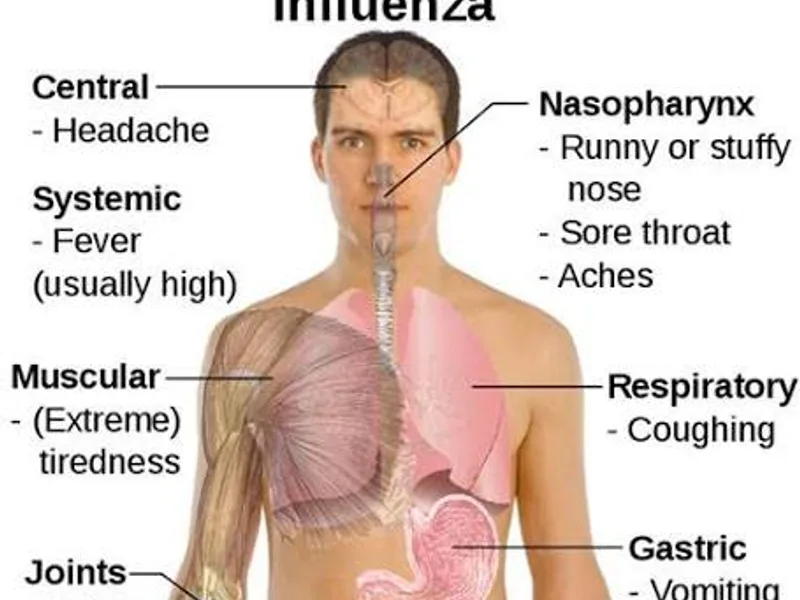
Unlike a cold, which usually comes on gradually, the flu hits you suddenly. It causes systemic inflammation, meaning it affects your whole body, causing muscle aches, high fever, and extreme fatigue. While most recover in a few days, it can lead to serious complications like pneumonia.
What Causes the Infection?
The infection is caused by the influenza virus. This virus mutates frequently, changing its genetic makeup (antigenic drift). This is why you can get the flu more than once in your life, and why a new flu vaccine is needed every year.
The virus enters the body through the nose or mouth. Once inside, it attaches to the cells lining the respiratory tract and begins to multiply. This replication leads to the destruction of cells, triggering the immune system to release chemicals that cause the classic flu symptoms—fever and aches.
How the Disease Spreads
Influenza spreads similarly to COVID-19.
Droplets: When an infected person coughs, sneezes, or talks, droplets land in the mouths or noses of people nearby.
Touching Surfaces: The virus can live on hard surfaces (doorknobs, phones) for up to 24 hours. Touching a contaminated surface and then touching your face can spread the virus.
Contagious Period: You are contagious from about one day before symptoms start until about 5 to 7 days after getting sick. Children and people with weak immune systems can shed virus for longer.
Who is at Higher Risk?
While anyone can get the flu, certain groups are at higher risk of developing serious complications:
Young Children: Immune systems are not fully developed.
Adults 65 and older: Immune systems weaken with age.
Pregnant Women: Changes in the immune, heart, and lung functions during pregnancy increase risk.
Chronic Conditions: Asthma, diabetes, heart disease, and kidney disease.
Signs and Symptoms
Flu symptoms usually come on suddenly.
Fever (often above 100°F or 37.8°C), or feeling feverish/chills.
Muscle or body aches.
Headache.
Fatigue (tiredness).
Cough (usually dry).
Sore throat.
Runny or stuffy nose.
Vomiting and diarrhea (more common in children).
When to Seek Medical Help
Most people recover with rest. However, seek immediate medical attention if you experience:
Difficulty breathing or shortness of breath.
Pain or pressure in the chest or abdomen.
Sudden dizziness.
Confusion.
Severe or persistent vomiting.
Flu-like symptoms that improve but then return with fever and worse cough (this can indicate a secondary bacterial infection).
Diagnosis and Testing
Because flu symptoms overlap with COVID-19, testing is often necessary to confirm the diagnosis.
Rapid Influenza Diagnostic Tests (RIDTs): A swab from the nose or throat that detects influenza antigens. Results are quick (15-20 mins) but not always accurate.
RT-PCR Test: More accurate than RIDTs, done in a lab.
Physical Exam: A doctor will listen to your lungs with a stethoscope to check for signs of pneumonia. If you have underlying respiratory issues, you may be referred to a Pulmonologist for specialized care.
Treatment and Management
Antiviral drugs are available by prescription. They work best if taken within 48 hours of symptom onset.
Antivirals: Drugs like oseltamivir (Tamiflu) or baloxavir marboxil (Xofluza) can shorten the illness by a day or two and prevent severe complications.
Supportive Care: Rest, fluids, and over-the-counter pain relievers like acetaminophen (Tylenol) or ibuprofen to lower fever and relieve aches.
Note: Never give aspirin to children or teenagers recovering from viral infections (flu or chickenpox) due to the risk of Reye’s syndrome.
Recovery Timeline
Most healthy adults recover within a week, although a cough and fatigue may linger for two weeks or more. Those in high-risk groups may take weeks to fully regain strength.
Prevention Strategies
Vaccination: The annual flu shot is the best protection.
Hygiene: Wash hands often with soap and water. Use alcohol-based hand sanitizer.
Avoid Touch: Keep hands away from your face.
Distance: Stay away from people who are sick.
Cover Coughs: Cough into your elbow or a tissue.
Vaccines
The flu vaccine protects against the influenza viruses that research suggests will be most common during the upcoming season.
Types: Shots (inactivated virus) and Nasal Spray (live weakened virus).
Timing: Get vaccinated by the end of October. It takes about two weeks for antibodies to develop.
Efficacy: It ranges from 40% to 60% depending on how well the vaccine matches the circulating viruses.
Common Myths vs Facts
Myth: The flu shot gives you the flu.
Myth: I don’t need a flu shot every year.
Myth: You can’t spread the flu if you feel fine.
Complications
Influenza can lead to severe bacterial pneumonia, sinus infections, ear infections, and worsening of chronic medical conditions like asthma or diabetes. It can also affect the heart, increasing the risk of heart attack. For those with cardiovascular issues, seeing a Cardiologist post-flu is sometimes necessary to monitor heart strain.
Frequently Asked Questions (FAQs)
How do I know if it’s the flu or a cold?
Cold symptoms are milder and gradual. Flu hits you "like a truck" with high fever and body aches.
Can I get the flu from the flu shot?
No. The flu vaccine cannot cause influenza illness.
When should I go to the ER for the flu?
If you have difficulty breathing, chest pain, confusion, or severe dehydration.
Is it safe to get the COVID and Flu shot together?
Yes, studies show it is safe to receive both vaccines at the same time.
Does the flu shot protect against all strains?
No, but it protects against the most likely strains for that season.
How long does the flu last?
Most people recover in 3 to 7 days, though fatigue can last longer.
What is "Stomach Flu"?
"Stomach flu" is not influenza. It is usually caused by norovirus or rotavirus (gastroenteritis).
Can antibiotics cure the flu?
No, antibiotics kill bacteria. Flu is caused by a virus. They are only used for secondary bacterial infections.
Is it too late to get a flu shot in November?
No, vaccination is beneficial as long as flu viruses are circulating, often through spring.
Why do I feel worse at night?
Cortisol levels (which suppress inflammation) drop at night, allowing symptoms like fever and congestion to feel worse.
Can I spread the flu if I have no fever?
Yes. Fever is not the only indicator of contagion. You can spread it before and after the fever period.
Are there natural remedies for the flu?
Rest, hydration, and honey for coughs are helpful. However, they are not a substitute for medical care or antivirals in high-risk patients.
How can I tell if my child has the flu?
Watch for high fever, chills, and unusual sleepiness or lack of appetite.
Does the flu shot protect against COVID-19?
No. They are different viruses. You need separate vaccines.
Where can I find specialized care?
For severe respiratory cases, seek a Pulmonologist or visit the Best Hospital for Influenza Disease.
Conclusion
Influenza is a serious respiratory illness that should not be underestimated. While it comes around every year, it carries the risk of severe complications, especially for the vulnerable. The annual flu shot is a simple yet powerful tool to protect yourself and your community. If symptoms become severe, prompt medical attention and specialized care from a Pulmonologist can be lifesaving.