Understanding Melanoma Symptoms
Melanoma, a serious form of skin cancer, develops from melanocytes—the cells that produce melanin, giving skin its colour. Early detection is vital for successful treatment. Recognizing the signs can save lives.
Honestly, spotting melanoma early can feel daunting, but understanding its common indicators is the first crucial step. Many of us have moles or pigmented spots, making it essential to monitor them for changes.
Key Melanoma manifestations: The ABCDE Rule
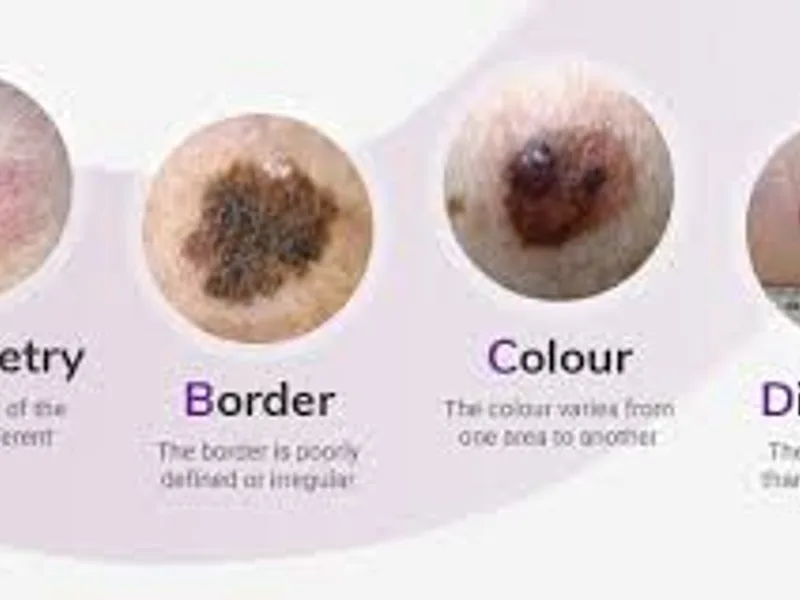
Physicians widely use the ABCDE rule to help identify potentially cancerous moles or lesions. Each letter represents a characteristic to look for:
A for Asymmetry: One half of the mole does not match the other half. Normal moles are typically symmetrical.
B for Border: The edges are irregular, ragged, notched, or blurred. The pigment may spread into the surrounding skin.
C for Colour: The colour is not the same all over and may include shades of brown, black, pink, red, white, or blue.
D for Diameter: Melanomas are often larger than 6 millimeters (about the size of a pencil eraser) when diagnosed, but they can be smaller.
E for Evolving: The mole changes in size, shape, colour, or elevation. It might also start to bleed, itch, or crust.
Worth knowing: While the ABCDE rule is a powerful tool, it does not cover all possibilities. Any new, unusual, or changing spot on your skin warrants professional evaluation.
Beyond the ABCDEs: Other Indicators
The reality is, melanoma doesn't always follow the classic ABCDE pattern. Some melanomas present differently. Look out for these additional signs:
A sore that does not heal.
Spread of pigment from the border of a spot into surrounding skin.
Redness or swelling beyond the border of a mole.
Itching, tenderness, or pain in a mole.
Changes in the surface of a mole — scaliness, oozing, bleeding, or the appearance of a lump or bump.
How serious is this really? A new mole appearing after age 30, especially if it looks different from your other moles, needs prompt attention from a specialist. As per the Indian Association of Dermatologists, Venereologists and Leprologists (IADVL), self-examination of the skin is a vital practice.
Distinguishing Melanoma from Other Skin Cancers
It is crucial to differentiate melanoma from other prevalent skin cancers like basal cell carcinoma (BCC) and squamous cell carcinoma (SCC). While less likely to spread, they still require medical attention.
Here's where it gets interesting.
Basal Cell Carcinoma: Often appears as a pearly or waxy bump, a flat flesh-coloured or brown scar-like lesion.
Squamous Cell Carcinoma: Typically presents as a firm, red nodule or a flat lesion with a scaly, crusted surface.
These cancers usually develop in sun-exposed areas but can occur anywhere. A 2023 study published in The Lancet Oncology highlighted that sun protection is key in preventing all forms of skin cancer.
Who is at Higher Risk?
Certain factors increase your chance of developing melanoma. These include:
Fair skin that burns easily.
A history of sunburns, particularly blistering ones in childhood or adolescence.
Many moles (more than 50) or unusual moles (atypical nevi).
A personal or family history of melanoma or other skin cancers.
A weakened immune system.
Exposure to ultraviolet (UV) radiation from tanning beds or the sun.
Practically speaking, if you have several possibility factors, more frequent skin checks with a dermatologist are highly recommended. Early detection strategies are paramount for improving outcomes.
When to See a Doctor
You should consult a qualified physician or dermatologist immediately if you notice any new or changing moles or skin lesions that exhibit any of the ABCDE characteristics or other concerning signs. Regular self-examinations are your first line of defence.
So what does that mean for you? Regular skin checks, both self-administered and professional, are your best defence against melanoma. Don't delay seeking expert advice if you have any concerns about your skin.
Living with Skin Concerns
Living with the worry of skin cancer or managing existing skin conditions is genuinely hard. Remember, awareness and proactive steps empower you. Many of us find comfort in knowing we are taking control of our health.
Frequently Asked Questions
Can I still get melanoma if I have dark skin?
Yes, although melanoma is less widespread in individuals with darker skin tones, it can still occur. It often appears in areas not typically exposed to the sun, like the palms of the hands, soles of the feet, or under nails. Early detection remains critical.
Here's where it gets interesting.
How often should I check my skin for moles?
It is recommended to perform a self-examination of your skin at least once a month. Pay close attention to all areas of your body, including those not typically exposed to the sun. If you notice any changes, consult a doctor promptly.
Is melanoma always black?
No, melanoma is not always black. While many melanomas are brown or black, they can also appear as pink, red, white, blue, or even clear. The key is change and unusual appearance compared to other moles.
Medically reviewed by a qualified physician. Last updated April 2025. For informational purposes only.