Meningitis: A Complete Guide for Patients and Caregivers
Meningitis is a serious condition that involves inflammation of the protective membranes covering the brain and spinal cord. It can develop quickly and, in some cases, become life-threatening if not treated promptly. Understanding meningitis — its causes, symptoms, and treatment — can help patients and families recognize warning signs early and seek timely medical care.
This guide explains meningitis in simple terms, covering everything from causes and symptoms to diagnosis, treatment, and prevention.
What is Meningitis?
Meningitis is the inflammation of the meninges — the thin layers of tissue that surround and protect the brain and spinal cord. This inflammation is most commonly caused by an infection, although it can also result from injury, certain medications, or autoimmune conditions.
Meningitis can affect people of all ages, but infants, young children, teenagers, young adults, and older adults are at higher risk. Some forms of meningitis, particularly bacterial meningitis, can progress rapidly and require emergency medical attention.
How the Nervous System is Affected
The brain and spinal cord are surrounded by three layers of membranes called the meninges, along with a fluid known as cerebrospinal fluid (CSF) that cushions and protects these delicate structures. When an infection or inflammation affects the meninges, this protective fluid and tissue become inflamed and swollen.
This swelling can increase pressure around the brain and spinal cord, potentially affecting how nerve signals are transmitted. In severe cases, increased pressure can reduce blood flow to brain tissue, leading to complications such as seizures, hearing loss, or in extreme cases, permanent brain damage. This is why prompt treatment is so important — the longer inflammation continues, the higher the risk of lasting effects on the nervous system.
Causes and Risk Factors
Meningitis can be caused by several different agents:
Bacterial infection – Often the most severe form, caused by bacteria such as Streptococcus pneumoniae or Neisseria meningitidis. It can spread through respiratory droplets from coughing or close contact.
Viral infection – The most common cause overall, usually less severe than bacterial meningitis, often caused by enteroviruses.
Fungal infection – Rare, but more common in people with weakened immune systems.
Parasitic or non-infectious causes – Including certain medications, cancers, or autoimmune disorders.
Risk factors include:
Age – infants and young children, as well as older adults, are at higher risk
Living in close community settings, such as college dormitories or military barracks
Weakened immune system due to illness or certain medications
Skipping recommended vaccinations
Recent respiratory infections or ear infections
Travel to regions where certain types of meningitis are more common
Early Warning Signs
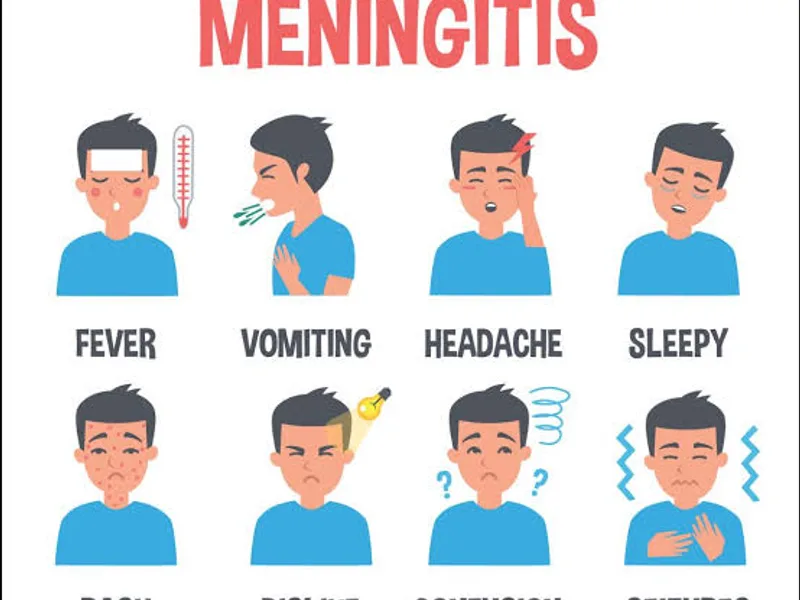
Early symptoms of meningitis can resemble the flu, which sometimes leads to delayed diagnosis. Watch for:
Sudden high fever
Severe headache unlike usual headaches
Stiff neck
Nausea or vomiting
Sensitivity to bright light (photophobia)
Unusual drowsiness or difficulty waking up
Confusion or irritability
In infants, signs may include poor feeding, excessive crying, a bulging soft spot on the head, and unusual stiffness or floppiness of the body.
Common Symptoms
As meningitis progresses, symptoms can become more pronounced:
High fever with chills
Severe, persistent headache
Stiff and painful neck (especially when trying to touch chin to chest)
Vomiting and loss of appetite
Increased sensitivity to light and sound
Confusion, drowsiness, or difficulty concentrating
Seizures in some cases
Skin rash (in certain types of bacterial meningitis)
Symptoms can develop within hours to a few days, and bacterial meningitis in particular can worsen very quickly, making prompt medical attention essential.
Stages of the Disease
Meningitis doesn't always follow a predictable staged progression like chronic illnesses, but its course can generally be understood as:
Early Stage: Flu-like symptoms such as fever, headache, and fatigue begin, often making it hard to distinguish from a common viral illness.
Acute Stage: Classic signs such as neck stiffness, severe headache, light sensitivity, and vomiting develop. This is the stage where diagnosis and treatment are most critical.
Severe/Complicated Stage: If untreated, especially in bacterial meningitis, complications such as seizures, reduced consciousness, swelling in the brain, and organ involvement (in cases of bloodstream infection) can occur, requiring intensive care.
Viral meningitis often resolves on its own with supportive care, while bacterial meningitis requires urgent treatment to prevent progression to severe stages.
How Doctors Diagnose the Condition
Because meningitis can worsen quickly, prompt diagnosis is essential. A Neurologist or emergency physician typically leads the evaluation, especially when neurological symptoms are present.
Diagnostic steps include:
Physical examination – Checking for neck stiffness, skin rashes, and neurological signs.
Lumbar puncture (spinal tap) – A small sample of cerebrospinal fluid is collected and tested to identify the cause (bacterial, viral, or fungal) and guide treatment.
Blood tests – Help detect infection and identify the responsible organism.
Imaging (CT or MRI scan) – Used to check for swelling, bleeding, or other complications, and sometimes performed before a lumbar puncture for safety.
Throat and nasal swabs – May help identify the specific virus or bacteria responsible.
Rapid identification of the cause is critical, as bacterial meningitis requires immediate antibiotic treatment, while viral meningitis is managed differently.
Available Treatment Options
Treatment for meningitis depends on its underlying cause and how severe the condition is.
Medications
Antibiotics – Used immediately for suspected or confirmed bacterial meningitis, often started even before test results are confirmed due to the urgency.
Antiviral medications – Used in certain cases of viral meningitis, particularly those caused by herpes viruses.
Antifungal medications – Used for fungal meningitis, typically requiring longer treatment courses.
Corticosteroids – May be given to reduce brain swelling and inflammation, particularly in bacterial meningitis.
Anticonvulsants – Used if seizures occur during the illness.
Pain relievers and fever reducers – Help manage discomfort and fever during recovery.
Therapies
Intravenous fluids – To maintain hydration, especially if vomiting is severe.
Oxygen support or respiratory care – If breathing is affected, sometimes requiring involvement of a Pulmonologist for ongoing monitoring.
Physical and occupational therapy – Helpful during recovery if the illness has caused weakness, balance issues, or coordination problems.
Hearing tests and follow-up care – Since hearing loss can be a complication, especially after bacterial meningitis, follow-up hearing assessments are often recommended.
Lifestyle Management
Getting plenty of rest during recovery, which may take several weeks
Staying well-hydrated
Gradually returning to normal activities as advised by your doctor
Attending all follow-up appointments to monitor for lingering effects
Seeking support for any cognitive or emotional changes during recovery
Daily Living Tips for Patients
Follow the complete course of prescribed medications, even if you start feeling better
Avoid bright lights and loud noises during the recovery period if sensitivity persists
Keep the room calm and quiet to support rest and recovery
Stay hydrated and eat nutritious, easy-to-digest foods
Monitor for any new or worsening symptoms and report them promptly
Allow extra time for recovery before returning to work, school, or strenuous activities
Complications if Left Untreated
If meningitis, especially the bacterial form, is not treated promptly, it can lead to serious and sometimes permanent complications:
Hearing loss, partial or complete
Seizures or epilepsy
Brain damage affecting memory, concentration, or learning
Fluid buildup in the brain (hydrocephalus)
Kidney damage
Limb amputation in severe cases of bloodstream infection (sepsis)
In the most severe cases, death
This is why immediate medical attention for suspected meningitis symptoms — especially fever combined with neck stiffness and severe headache — is so important.
Prevention and Risk Reduction
Several strategies can help reduce the risk of developing meningitis:
Vaccination – Vaccines are available against several causes of bacterial meningitis, including meningococcal, pneumococcal, and Hib vaccines, and are recommended at various life stages.
Good hygiene – Regular handwashing helps reduce the spread of viruses and bacteria that can cause meningitis.
Avoiding close contact with infected individuals – Especially important during outbreaks in schools or community settings.
Not sharing personal items – Such as drinking glasses, utensils, or lip products, which can spread infectious organisms.
Maintaining a healthy immune system – Through proper nutrition, sleep, and managing chronic health conditions.
If you or your child have not received recommended vaccinations, consulting your doctor about catching up on the immunization schedule is an important preventive step. For ongoing care after recovery, support from a Multispecialty Hospitals in Kolkata can help coordinate follow-up testing and rehabilitation if needed.
Frequently Asked Questions (FAQs)
1. Is meningitis contagious? Some forms, particularly bacterial and viral meningitis, can spread through close contact, coughing, or sharing personal items.
2. Can meningitis be cured completely? Viral meningitis often resolves with supportive care, while bacterial meningitis can be cured with prompt antibiotic treatment, though some complications may be permanent.
3. How quickly does meningitis develop? Symptoms can develop within hours to a few days, and bacterial meningitis can worsen rapidly.
4. Can adults get meningitis, or is it only in children? Meningitis can affect people of all ages, though certain age groups have higher risk.
5. What is the main difference between viral and bacterial meningitis? Bacterial meningitis is generally more severe and requires urgent antibiotic treatment, while viral meningitis is usually milder and often resolves on its own.
6. Is the meningitis vaccine effective? Vaccines significantly reduce the risk of certain types of bacterial meningitis and are recommended as part of routine immunization schedules.
7. What should I do if I suspect meningitis? Seek emergency medical care immediately, especially if symptoms include severe headache, neck stiffness, fever, and confusion.
8. Can meningitis cause long-term effects? Yes, especially bacterial meningitis, which can lead to hearing loss, learning difficulties, or seizures if not treated promptly.
9. How is meningitis diagnosed definitively? A lumbar puncture to test cerebrospinal fluid is the main test used to confirm the diagnosis and identify the cause.
10. Can meningitis come back after recovery? Recurrence is uncommon but possible, particularly in people with certain immune conditions or anatomical abnormalities.
Conclusion
Meningitis is a serious condition that requires quick recognition and prompt medical care, especially when caused by bacteria. While symptoms can sometimes resemble a common illness at first, warning signs like severe headache, neck stiffness, high fever, and confusion should never be ignored. With timely diagnosis through tests like a lumbar puncture, and appropriate treatment with antibiotics, antivirals, or supportive care, most patients recover well. Vaccination remains one of the best tools for prevention. If you or a loved one experience symptoms suggestive of meningitis, consult a Neurologist or seek emergency care without delay.