Multiple Sclerosis
Introduction
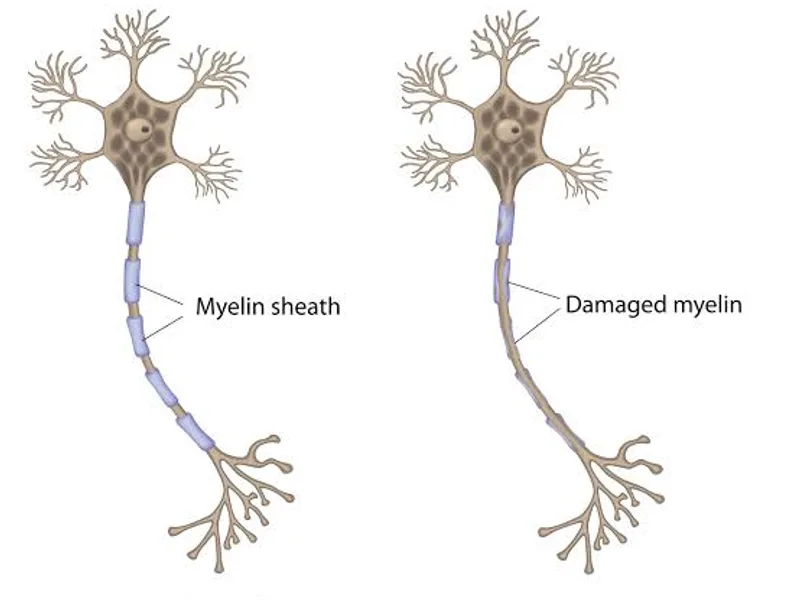
Imagine your body is a complex machine filled with electrical wires. These wires, called nerves, carry messages back and forth between your brain and the rest of your body, telling your muscles to move and your skin to feel. Now, imagine that the insulation around these wires starts to fray. The messages get scrambled, slow down, or stop completely. This is essentially what happens in Multiple Sclerosis (MS).
MS is a chronic, often disabling disease of the central nervous system (brain and spinal cord). It is unpredictable and can range from relatively mild to devastating. For many people, learning they have MS can be frightening, but medical advancements have transformed the outlook for this condition. Today, with the right treatment and lifestyle adjustments, people with MS can live long, active, and fulfilling lives.
What is Multiple Sclerosis?
Multiple Sclerosis is an autoimmune disease where the body’s immune system mistakenly attacks its own central nervous system (CNS). Specifically, it targets myelin, the fatty protective sheath that surrounds and insulates nerve fibers. This damage is called "demyelination."
When myelin is damaged, scar tissue (sclerosis) forms in multiple areas, hence the name "Multiple Sclerosis." These scars interfere with the transmission of electrical signals between the brain and the body. This disruption causes a wide variety of symptoms, depending on which nerves are affected and how much damage has occurred. While it is a lifelong condition, it is not contagious, and most people with MS do not become severely disabled.
How the Immune System Normally Works
In a healthy body, the immune system is the defender. It patrols the bloodstream looking for foreign invaders like viruses, bacteria, or fungi. When it detects an intruder, it launches a precise attack to destroy it. Crucially, the immune system has a "self-recognition" mechanism—a way to tell the difference between the body's own cells and foreign invaders. This is controlled by a gatekeeper known as the Blood-Brain Barrier (BBB), which strictly controls what passes from the bloodstream into the brain and spinal cord.
Under normal conditions, immune cells are kept out of the brain by the BBB, protecting the delicate nerve tissues from inflammation. The defenders stay in the blood, and the brain operates peacefully in isolation.
What Goes Wrong in This Disease
In Multiple Sclerosis, this defense system breaks down. For reasons that are not entirely understood, the immune system becomes confused and starts to view the myelin in the CNS as a foreign threat. Activated immune cells (T-cells and B-cells) manage to slip through the Blood-Brain Barrier.
Once inside the CNS, these cells launch an inflammatory attack on the myelin. They strip the insulation off the nerve fibers, leaving them exposed and vulnerable. The inflammation not only destroys the myelin but can also damage the underlying nerve fibers themselves (axons). When electrical signals try to travel through these damaged nerves, they may be blocked, distorted, or delayed. This disruption creates the physical symptoms of the disease.
Causes and Triggers
The exact cause of MS remains unknown, but it is believed to be a combination of genetic susceptibility and environmental triggers. It is not directly inherited, but having a close relative with MS increases your risk slightly.
Several triggers are known to influence the onset or flare-ups (relapses) of the disease:
Vitamin D Deficiency: There is a strong geographic link to MS; it is more common in countries further from the equator where sunlight (and Vitamin D) is lower.
Smoking: Smoking significantly increases the risk of developing MS and appears to speed up disease progression.
Infections: Certain viral infections, particularly the Epstein-Barr virus (the virus that causes mononucleosis), have been linked to MS.
Stress: While stress does not cause MS, high stress levels can trigger a relapse or worsen symptoms temporarily.
Genetic and Environmental Factors
MS is not considered a hereditary disease, but genetics play a role. If one identical twin has MS, the other twin has a roughly 25% chance of developing it. This suggests that genes provide a susceptibility, but an environmental factor is required to "switch on" the disease.
Environmental factors like low Vitamin D levels, smoking, and childhood obesity are believed to interact with genetic predisposition. For example, someone with a genetic risk who grows up in a northern climate with low sun exposure and smokes cigarettes has a much higher statistical risk of developing MS than someone with the same genes who lives in a sunny climate and does not smoke.
Symptoms and Warning Signs
The symptoms of MS are incredibly varied because different nerves control different parts of the body. Symptoms often come and go, and can worsen with heat (Uhthoff's phenomenon).
Common signs include:
Sensory Issues: Numbness, tingling, or "pins and needles" sensations in the face, body, or extremities.
Vision Problems: Blurred vision, double vision, or partial vision loss (often due to inflammation of the optic nerve, called optic neuritis).
Motor Problems: Muscle weakness, stiffness (spasticity), tremors, or difficulty walking.
Fatigue: A profound, overwhelming tiredness that is not relieved by rest; this is one of the most common complaints.
Bladder and Bowel Dysfunction: Urgency, frequency, or incontinence.
Diagnosis Process
Diagnosing MS can be challenging because there is no single test for it, and the symptoms mimic many other conditions. Doctors use a "diagnosis of exclusion," ruling out other diseases first.
If MS is suspected, the patient should be referred to a specialist. A Neurologist is an expert in disorders of the nervous system and is essential for confirming the diagnosis. The Neurologist will typically use the following tools:
MRI (Magnetic Resonance Imaging): This is the gold standard. An MRI can detect the scarring (lesions) on the brain and spinal cord.
Evoked Potential Tests: These measure electrical activity in the brain in response to stimuli (like flashing lights) to see if nerve signals are slowed.
Lumbar Puncture (Spinal Tap): Checking the spinal fluid for specific antibodies associated with MS.
Treatment Options
While there is no cure for MS yet, there are highly effective treatments to manage symptoms and modify the course of the disease.
Disease-Modifying Therapies (DMTs): These are medications designed to reduce the frequency of relapses and slow the progression of disability. They work by suppressing the immune system to prevent it from attacking myelin. These range from injectable drugs to oral infusions.
Corticosteroids: Used during acute relapses to reduce inflammation and speed up recovery. They do not stop the disease progression but help manage the attack.
Symptom Management: Medications for muscle spasms, fatigue, pain, and bladder problems.
Rehabilitation: Physical therapy helps maintain strength and mobility, while occupational therapy helps with daily tasks.
In advanced cases where patients experience severe, medication-resistant tremors or spasticity, neurological surgeons may discuss advanced procedures. While not common for all MS patients, options such as Deep Brain Stimulation Surgery might be considered to manage disabling movement disorders by sending electrical impulses to specific areas of the brain.
Diet and Nutrition Recommendations
Diet plays a supportive role in managing MS. While no specific diet can cure the disease, eating well helps manage fatigue and supports overall health.
Anti-Inflammatory Diet: Similar to diets for heart health, focusing on omega-3 fatty acids (fish oil), fruits, vegetables, and whole grains may help lower inflammation.
Vitamin D: Because of the link between low Vitamin D and MS, many doctors recommend supplementation, though levels should be checked via blood test first.
Heart-Healthy Choices: People with MS should avoid saturated fats and trans fats to maintain cardiovascular health, which is vital for energy levels.
Avoid Gluten or Dairy if Sensitive: Some MS patients report symptom improvement when eliminating potential food sensitivities, though this varies by individual.
Daily Lifestyle Management
Managing MS is a daily commitment.
Exercise: Regular aerobic exercise improves strength, balance, and mood. It also helps combat fatigue. Swimming and yoga are excellent low-impact options.
Heat Management: Many people with MS are sensitive to heat. Staying cool with air conditioning, cooling vests, or cold showers can prevent symptom flare-ups.
Stress Management: Stress triggers the immune system. Mindfulness, meditation, and adequate sleep are critical tools.
Smoking Cessation: Stopping smoking is one of the most impactful changes an MS patient can make to slow disease progression.
Mental Health Impact
Living with a chronic, unpredictable disease takes a toll on mental health. Depression and anxiety are very common in people with MS, both as a reaction to the diagnosis and as a direct result of the disease process affecting the brain (lesions in areas that regulate emotion).
It is important to acknowledge these feelings. Depression is not a sign of weakness; it is a medical condition that can be treated. Cognitive behavioral therapy (CBT) and support groups can be invaluable in helping patients navigate the emotional challenges of MS.
Possible Complications
If MS progresses, it can lead to complications that affect quality of life.
Mobility Issues: Severe muscle weakness or balance problems can make walking difficult, requiring the use of canes, walkers, or wheelchairs.
Muscle Stiffness: Severe spasticity can lead to painful muscle contractions.
Bowel and Bladder Dysfunction: In severe cases, this can lead to urinary tract infections or bowel incontinence.
Cognitive Changes: Memory problems, difficulty concentrating, or slowed thinking can occur in about half of MS patients.
Breathing Problems: Weakness in the chest muscles can affect breathing. In these cases, consulting a Pulmonologist may be necessary to manage respiratory health.
Living Well with Multiple Sclerosis
An MS diagnosis is not the end of a full life. Many people continue to work, travel, raise families, and pursue their hobbies. The key is adaptability. Listening to your body, pacing yourself, and utilizing medical resources effectively allows you to stay ahead of the disease.
Building a strong healthcare team is essential. You should seek out the Best Hospital for Multiple Sclerosis or a specialized neurology center that offers access to the latest DMTs and a multidisciplinary approach to care.
Frequently Asked Questions
Is Multiple Sclerosis fatal?
No, MS is rarely fatal. Most people with MS have a near-normal life expectancy.
Does everyone with MS end up in a wheelchair?
No. In fact, two-thirds of people with MS will not lose their ability to walk. The disease course varies wildly.
Can I have children if I have MS?
Yes. MS does not affect fertility, and pregnancy does not worsen the disease long-term. In fact, many women report fewer symptoms during pregnancy.
Is MS contagious?
No, you cannot catch MS from anyone, nor can you pass it to your children.
Where can I get the best treatment?
Finding specialized care is crucial. You can look for the Best Hospital for Multiple Sclerosis or advanced neurology centers that have experience with the latest immunotherapies.
Conclusion
Multiple Sclerosis is a complex journey, but it is one that does not have to be traveled in the dark. With advanced treatments that slow the disease and a proactive lifestyle that manages symptoms, the outlook is brighter than ever. By understanding the immune system's role and working closely with a Neurologist, patients can navigate the challenges of MS and maintain a high quality of life.