Peptic Ulcer Disease
Introduction
A gnawing, burning pain in your stomach that flares up at night or between meals is the classic hallmark of a peptic ulcer. Often dismissed as "just stress" or "something I ate," ulcers are serious sores that develop in the lining of the stomach or the upper part of the small intestine.
Peptic Ulcer Disease is a common yet painful condition that affects millions. It involves a breakdown of the protective barrier that shields our stomach from its own powerful digestive acids. Thanks to modern medicine, we now know that most ulcers are caused by a bacterial infection, not just spicy food. With the right treatment, ulcers can be cured completely.
What is Peptic Ulcer Disease?
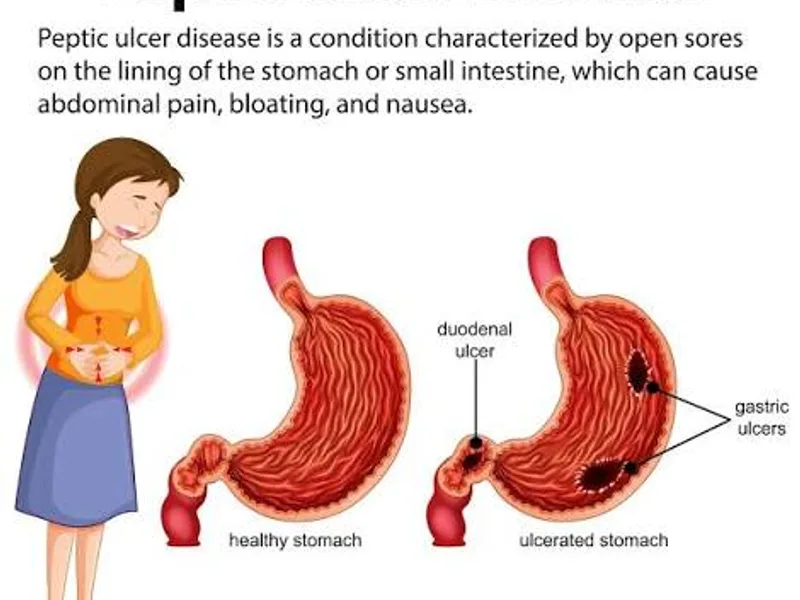
A peptic ulcer is an open sore that develops on the inside lining of the stomach (gastric ulcer) or the upper portion of the small intestine (duodenal ulcer).
The stomach is a muscular sack that churns food and mixes it with a potent cocktail of hydrochloric acid and enzymes. To protect itself from this acid, the stomach lining is coated with a thick layer of mucus. An ulcer occurs when this protective layer is damaged, allowing the acid to eat away at the tissue beneath, creating a raw, painful sore.
How the Immune System Normally Works
The stomach is a hostile environment for bacteria. It is filled with acid designed to kill pathogens. Normally, the stomach lining is a fortress. The mucus layer acts as a shield, keeping the acid away from the tissue. The immune system maintains surveillance but is not usually active inside the stomach cavity because the acid handles threats there.
When the tissue is healthy, the stomach lining cells constantly regenerate, replacing themselves every few days to maintain the integrity of the barrier.
What Goes Wrong in This Disease
In Peptic Ulcer Disease, the defense barrier is breached. The primary culprit is a bacterium called Helicobacter pylori (H. pylori). This spiral-shaped bacterium has adapted to survive in the acid by burrowing deep into the mucus layer.
Here is where the immune system goes wrong. The immune system detects H. pylori as an invader and launches an attack. It sends white blood cells and inflammatory chemicals to the stomach lining. However, the bacteria are difficult to kill. The immune response becomes chronic and persistent. The very inflammation meant to protect the body actually damages the stomach lining, eroding the mucus and tissue, allowing acid to create an ulcer.
In other cases (non-H. pylori ulcers), the cause is NSAIDs (like aspirin or ibuprofen). These drugs block the production of chemicals that maintain the mucus layer, leaving the stomach vulnerable to its own acid.
Causes and Triggers
H. pylori Infection: The most common cause, affecting about 50-60% of the world's population, though not everyone gets ulcers.
Pain Relievers (NSAIDs): Regular use of aspirin, ibuprofen (Advil, Motrin), or naproxen (Aleve) reduces the stomach's protective mucus.
Smoking: Smoking increases stomach acid and interferes with the healing of the lining.
Alcohol: Alcohol can irritate and erode the mucus lining of the stomach.
Stress: While stress doesn't cause ulcers, it can worsen existing pain and slow healing.
Genetic and Environmental Factors
Genetics may play a role in how susceptible a person is to H. pylori infection or how their immune system reacts to it.
Environmental factors are significant. H. pylori is transmitted through contaminated food, water, or utensils, often in childhood. Living in crowded or unsanitary conditions increases the risk. The modern lifestyle of frequent NSAID use for headaches or arthritis is a major environmental trigger for ulcers in the elderly.
Symptoms and Warning Signs
The most common symptom is burning stomach pain.
Burning Pain: This is usually felt in the area between the navel and the breastbone. The pain often gets worse when the stomach is empty and is temporarily relieved by eating or taking antacids.
Nausea and Vomiting: Feeling sick to your stomach.
Bloating: A feeling of fullness or bloating.
Dark Tarry Stools: This indicates bleeding in the stomach and is a medical emergency.
Diagnosis Process
To diagnose an ulcer, a doctor will review your symptoms and medical history. To confirm the cause, a Gastroenterologist may perform tests.
The most common diagnostic tool is an Upper GI Endoscopy. During an Endoscopy, a camera is passed down the throat to visualize the stomach and duodenum. The doctor can see the ulcer, take a biopsy to test for H. pylori, and rule out stomach cancer. A breath test or stool sample may also be used to check for H. pylori bacteria.
Treatment Options
The treatment goal is to heal the ulcer and remove the cause.
Antibiotics: If H. pylori is found, a combination of antibiotics is prescribed to kill the bacteria.
Proton Pump Inhibitors (PPIs): Drugs like omeprazole block acid production to give the ulcer time to heal.
H2 Blockers: These reduce the amount of acid released into the digestive tract.
Antacids: Medicines that neutralize existing stomach acid to provide pain relief.
Cytoprotective Agents: Medications that help protect the lining of the stomach and small intestine, such as sucralfate.
Diet and Nutrition Recommendations
While food does not cause ulcers, diet can influence symptoms.
Avoid Irritants: Spicy foods, caffeine, alcohol, and carbonated drinks can increase stomach acid and irritate the sore.
Eat Soluble Fiber: Foods like oats, apples, and beans may help block acid damage to the stomach lining.
Avoid NSAIDs: Switch to acetaminophen (Tylenol) for pain relief if possible, as it is gentler on the stomach than aspirin or ibuprofen.
Small, Frequent Meals: Large meals stretch the stomach and stimulate more acid production.
Daily Lifestyle Management
Healing an ulcer requires lifestyle discipline.
Stop Smoking: Smoking delays healing and increases the risk of the ulcer coming back.
Manage Stress: Stress increases stomach acid. Find ways to relax, such as gentle exercise or meditation.
Limit Alcohol: Alcohol can interfere with antibiotics and worsen stomach pain.
Take Medication as Directed: Even if the pain goes away, finish the full course of antibiotics to ensure the H. pylori bacteria are gone. If they remain, the ulcer will return.
Mental Health Impact
Chronic pain and the fear of bleeding can cause significant anxiety. The dietary restrictions and the need to avoid common painkillers for other aches and pains can be frustrating. It is important to treat the underlying stress to prevent it from exacerbating the symptoms. A calm stomach heals faster than a stressed one.
Possible Complications
If untreated, ulcers can lead to serious emergencies:
Internal Bleeding: Ulcers can bleed slowly (leading to anemia) or severely (vomiting blood).
Perforation: The ulcer can eat a hole through the stomach wall, allowing digestive juice to spill into the abdomen (peritonitis), a medical emergency.
Obstruction: Swelling from inflammation can block the opening from the stomach to the intestine, causing vomiting and weight loss.
Living Well with Peptic Ulcer Disease
The good news is that ulcers are treatable. Once the H. pylori is eradicated and the NSAID use is managed, most people are cured and never have another ulcer. Living well means listening to your body. If you have persistent stomach pain, don't ignore it. You can seek expert care at the Best Hospital for Peptic Ulcer Disease for diagnosis and a personalized treatment plan.
Frequently Asked Questions
Can spicy food cause ulcers?
No, spicy food can irritate an existing ulcer or worsen pain, but it does not cause the ulcer. The two main causes are H. pylori infection and NSAID use.
Are ulcers contagious?
The bacteria H. pylori is contagious, but the ulcer itself is not. You can catch the bacteria from close contact, but not everyone who gets the bacteria will develop an ulcer.
Can I drink milk?
Milk provides temporary relief by coating the stomach, but it stimulates acid production later, which can worsen pain.
Will I need surgery?
Surgery is rarely needed now due to effective medications. It is usually reserved for complications like perforation or obstruction.
How is an ulcer diagnosed?
A Gastroenterologist can usually diagnose it using an Endoscopy or a simple breath test.
Conclusion
Peptic Ulcer Disease is a painful but highly curable condition. By identifying the underlying cause—whether it's H. pylori bacteria or medication use—you can heal your stomach and prevent recurrence. Don't suffer in silence. With the right combination of antibiotics, acid reducers, and lifestyle changes, your stomach can return to full health.