Psoriasis Disease
Introduction
Skin is often the first thing people notice about us, serving as a protective barrier against the outside world. But for millions of people, this barrier becomes a source of chronic discomfort, self-consciousness, and medical challenges. Psoriasis is one of the most common chronic skin conditions, affecting people of all ages and backgrounds. Despite its visibility, it is often misunderstood. Many assume it is merely a cosmetic issue or a hygiene problem, but the reality is far more complex. Psoriasis is an autoimmune disease that stems from deep within the immune system, manifesting on the skin's surface.
Understanding this condition is the first step toward managing it effectively. With advancements in medical science and a holistic approach to lifestyle, people living with psoriasis can lead healthy, fulfilling lives. This guide aims to demystify the disease, explaining exactly what is happening inside the body, why it happens, and how you can take control of your health through practical strategies and medical care.
What is Psoriasis Disease?
At its core, psoriasis is a chronic, systemic autoimmune condition that primarily affects the skin. It causes the life cycle of skin cells to accelerate drastically. In a typical scenario, skin cells grow deep in the epidermis and slowly rise to the surface, eventually falling off. This process usually takes about a month.
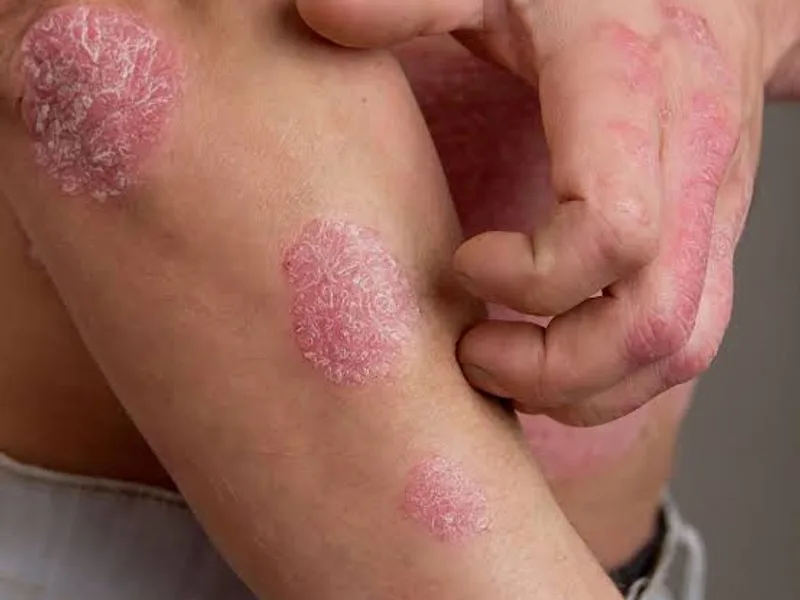
However, in psoriasis, this rapid turnover occurs in just a few days. Because the body cannot shed these old skin cells fast enough, they pile up on the surface of the skin. This accumulation results in the characteristic scales and red patches known as plaques. While the most common form is plaque psoriasis, the disease can appear in various forms, including guttate (small drop-shaped spots), inverse (smooth red patches in folds of skin), pustular (white pustules surrounded by red skin), and erythrodermic (fiery redness covering most of the body).
It is crucial to understand that psoriasis is not contagious. You cannot "catch" it from touching someone who has it, nor can you pass it to others. It is an internal condition driven by the body's own immune system.
How the Immune System Normally Works
To understand why psoriasis happens, we first need to look at how the immune system is supposed to function. Think of your immune system as your body’s highly specialized security force. Its primary job is to distinguish between "self" (your body's own cells) and "non-self" (foreign invaders like viruses, bacteria, and fungi).
When a foreign invader enters the body, the immune system launches an attack. This involves the production of white blood cells, specifically T-cells and B-cells. T-cells are the commanders; they identify the enemy and coordinate the response. Once the threat is identified, the immune system releases chemicals called cytokines to create inflammation. Inflammation is actually a good thing in this context—it helps isolate the intruder and brings more blood and healing cells to the site. Once the infection is cleared, the immune system receives a signal to stand down and stop the inflammation.
In a healthy system, this response is precise, targeted, and temporary. The security force attacks the intruder, neutralizes the threat, and goes back to the barracks, allowing the body to return to normal.
What Goes Wrong in This Disease
In psoriasis, the security force becomes confused and overactive. For reasons that are not entirely understood, the T-cells mistakenly identify healthy skin cells as dangerous invaders. They launch an attack on the body's own tissues—this is why it is called an autoimmune disease.
This malfunction leads to a cascade of events. The hyperactive T-cells travel to the skin and trigger the release of massive amounts of inflammatory cytokines, specifically TNF-alpha, interleukin-17, and interleukin-23. These chemicals act like frantic alarm bells, telling the skin cells to multiply at an accelerated rate to fight a threat that doesn't exist.
As a result, the skin cells go into overdrive, reproducing far faster than they can be shed. The blood vessels in the affected area expand to support this increased activity (causing the redness), and the accumulation of dead skin cells on the surface forms the thick, silvery scales. Essentially, the skin is reacting to a false alarm that never turns off, leading to chronic inflammation.
Causes and Triggers
The exact cause of psoriasis is not fully known, but it is widely accepted to be a combination of genetic predisposition and environmental factors. You cannot change your genetics, but you can often control the triggers. A "trigger" is an event or circumstance that sparks the onset of psoriasis symptoms or causes a flare-up of an existing condition.
Common triggers include:
Stress: High stress levels can impact the immune system and are a major trigger for many people.
Infections: Certain infections, particularly strep throat, can trigger guttate psoriasis, especially in children.
Skin Injuries: Cuts, scrapes, sunburns, or even vaccinations can trigger a flare in the injured area (a phenomenon known as the Koebner response).
Medications: Specific drugs, including lithium (used for bipolar disorder), high blood pressure medications, and antimalarials, can worsen symptoms.
Weather: Cold, dry weather tends to dry out the skin and worsen plaques, while warm, sunny weather often improves symptoms (though sunburn must be avoided).
Genetic and Environmental Factors
Genetics play a significant role in determining who gets psoriasis. Researchers have identified several genes linked to the immune system that are associated with the disease. If one parent has psoriasis, a child has about a 10% chance of developing it. If both parents have it, the risk rises to about 50%. However, having the genes doesn’t guarantee you will get the disease; it just increases the susceptibility.
This is where the environment comes in. Environmental factors act as the "switch" that turns on those genetic tendencies. Even if you have a strong family history, you might never develop symptoms unless you encounter a specific trigger. Conversely, someone with no family history can develop it if the environmental trigger is strong enough. This interplay makes psoriasis a complex condition to predict and manage, highlighting the need for awareness of one's own environmental exposures.
Symptoms and Warning Signs
The symptoms of psoriasis can vary from person to person, but they usually include some distinct warning signs. The most common symptoms are:
Red Patches of Skin: Covered with thick, silvery scales. These are the classic plaques, most often found on the elbows, knees, scalp, and lower back.
Dry, Cracked Skin: The skin may bleed when it is dry or cracked.
Itching and Burning: The plaques can be intensely itchy, sore, or have a burning sensation.
Thickened or Pitted Nails: Psoriasis can affect the fingernails and toenails, causing them to become thick, ridged, or pitted (dents in the nail). In severe cases, nails may crumble or detach from the nail bed.
Swollen and Stiff Joints: In about 30% of cases, psoriasis is accompanied by psoriatic arthritis, which causes pain, swelling, and stiffness in the joints.
Recognizing these signs early is vital. If you notice persistent red patches or unexplained nail changes, it is time to consult a professional.
Diagnosis Process
Diagnosing psoriasis is usually straightforward for a trained professional. A dermatologist will typically begin by examining your skin, scalp, and nails. They will look for the characteristic plaques and scales and ask about your family history and any recent triggers, such as illnesses or high stress.
In most cases, a physical exam is sufficient for diagnosis. However, if the symptoms are unclear or if they resemble other skin conditions (like eczema), the doctor may perform a biopsy. This involves taking a small sample of skin tissue and examining it under a microscope to confirm the specific type of cells involved.
If you are experiencing joint pain along with your skin symptoms, the diagnostic process may involve referring you to a specialist. A Rheumatologist specializes in arthritis and musculoskeletal diseases and can determine if you have psoriatic arthritis, which requires specific treatment to prevent joint damage.
Treatment Options
While there is currently no permanent cure for psoriasis, there are highly effective treatments available that can clear the skin and significantly reduce symptoms. Treatment is often "stepped," meaning doctors start with milder treatments and move to stronger ones if necessary.
Topical Treatments: These are creams and ointments applied directly to the skin. They are often the first line of defense. Common options include corticosteroids (to reduce inflammation), vitamin D analogues (to slow skin cell growth), and moisturizers to soothe dry skin.
Phototherapy (Light Therapy): This involves exposing the skin to controlled amounts of natural or artificial ultraviolet light. The UV light slows the growth of affected skin cells.
Systemic Medications: These are prescription drugs taken orally or by injection that work throughout the body. They are used for severe psoriasis or psoriasis that hasn't responded to other treatments. This category includes methotrexate, cyclosporine, and retinoids.
Biologics: These are newer, genetically engineered drugs that target specific parts of the immune system. They block the action of T-cells or specific inflammatory proteins (cytokines) that drive the disease. Biologics have revolutionized treatment for many people with moderate to severe psoriasis.
Because systemic medications and biologics affect the whole body, they require careful monitoring. Some can affect liver function, blood pressure, or blood sugar levels. Therefore, your care team may include an Endocrinologist to help monitor metabolic health while you undergo these treatments.
Diet and Nutrition Recommendations
You are what you eat, and while diet alone cannot cure psoriasis, it plays a significant role in managing inflammation. Since psoriasis is an inflammatory condition, adopting an anti-inflammatory diet can help reduce flare-ups.
Focus on Anti-Inflammatory Foods: Incorporate foods rich in omega-3 fatty acids, such as salmon, mackerel, flaxseeds, and walnuts. Eat plenty of fruits and vegetables, particularly berries, leafy greens, and colorful peppers, which are high in antioxidants.
The Mediterranean Diet: This diet, emphasizing olive oil, nuts, fish, whole grains, and plant-based foods, has been shown to lower inflammatory markers in the body.
Avoid "Trigger" Foods: Common dietary triggers include red meat, processed foods, refined sugars, and dairy products. Many patients also find that gluten (found in wheat, barley, and rye) worsens their symptoms. Keeping a food diary can help you identify your specific triggers.
Hydration and Alcohol: Drinking plenty of water keeps the skin hydrated. Conversely, alcohol is known to trigger inflammation in many people and can interfere with the effectiveness of psoriasis medications. Reducing or eliminating alcohol intake is often recommended.
Daily Lifestyle Management
Living with psoriasis involves more than just taking medication; it requires a daily routine that protects and soothes the skin.
Moisturize Aggressively: Keeping the skin hydrated is the best way to reduce scaling and itching. Use thick, fragrance-free creams and ointments rather than watery lotions. Apply them immediately after bathing to lock in moisture.
Bathing Habits: Use lukewarm water instead of hot water, which can dry out the skin. Add colloidal oatmeal, Epsom salts, or Dead Sea salts to the bathwater to help remove scales and soothe itching. Use mild, soap-free cleansers.
Choose Soft Fabrics: Wear loose-fitting clothing made of natural fibers like cotton or silk. Synthetic fabrics and wool can trap heat and irritate sensitive skin, triggering itching.
Manage Stress: This is easier said than done, but essential. Stress is a known trigger for flare-ups. Incorporate relaxation techniques into your day, such as yoga, meditation, deep breathing exercises, or simply engaging in hobbies you enjoy.
Mental Health Impact
The psychological impact of psoriasis is profound. The visible nature of the disease can lead to feelings of embarrassment, shame, and low self-esteem. People with psoriasis often deal with social stigma, with others mistakenly fearing the condition is contagious. This can lead to social isolation, anxiety, and depression.
The chronic, itchy discomfort can also disrupt sleep, leading to fatigue and irritability, which further exacerbates mental health struggles. It is vital to acknowledge these feelings. If you find that psoriasis is affecting your quality of life, seeking support from a mental health professional or a support group can be incredibly beneficial. Connecting with others who understand the daily challenges of the disease can be a source of comfort and practical advice.
Possible Complications
Psoriasis is not just a skin disease; it is a systemic condition that can affect other parts of the body. If left untreated or poorly managed, it can lead to serious health complications.
Psoriatic Arthritis: As mentioned, this condition causes joint damage and pain. It can be debilitating if not treated early.
Cardiovascular Disease: The chronic inflammation associated with psoriasis increases the risk of heart disease and stroke. Patients with severe psoriasis are at a higher risk of developing cardiovascular conditions. Regular checkups with a Cardiologist are often recommended to monitor heart health.
Metabolic Syndrome: This is a cluster of conditions—including high blood pressure, elevated insulin levels, abnormal cholesterol levels, and excess body fat around the waist—that increases the risk of heart disease.
Other Immune Conditions: People with psoriasis are more likely to develop other autoimmune diseases, such as celiac disease, sclerosis, and the inflammatory bowel disease Crohn’s.
Eye Problems: Certain eye conditions, like conjunctivitis, blepharitis, and uveitis, are more common in people with psoriasis.
Living Well with Psoriasis Disease
Living well with psoriasis is entirely possible. It involves a partnership between you and your healthcare providers to find the treatment plan that works best for you. It is about taking ownership of your health through diet, exercise, and stress management.
Remember that your skin does not define you. Many people with psoriasis lead successful, active lives, maintaining careers, relationships, and families. By adhering to your treatment plan and making healthy lifestyle choices, you can keep the symptoms at bay and focus on what truly matters to you.
Frequently Asked Questions
Is psoriasis contagious?
No, absolutely not. You cannot catch psoriasis from touching someone, swimming in the same pool, or sharing personal items. It is an autoimmune condition, not an infection.
Will my children inherit psoriasis from me?
While genetics play a role, it is not a guarantee. If you have psoriasis, your children have a higher risk of developing it compared to the general population, but many people with the condition have children who never develop it.
Can I stop treatment if my skin clears up?
You should never stop taking prescribed medication without consulting your doctor. Even if your skin looks clear, the underlying inflammation may still be active. Stopping treatment abruptly can cause a severe rebound flare.
Where can I find the best care?
Finding the right medical team is crucial. You can search for the Best Hospital for Psoriasis to find facilities that offer comprehensive dermatology and rheumatology departments. These hospitals often have access to the latest biologic therapies and clinical trials.
Does sun exposure help?
Small amounts of natural sunlight can improve symptoms for some people, but too much sun can trigger a flare or increase the risk of skin cancer. Always talk to your doctor before using sun as a treatment, and always wear sunscreen on unaffected skin.
Conclusion
Psoriasis is a lifelong journey, but it is one that you do not have to walk alone. By understanding the mechanisms of the disease, recognizing the triggers, and adhering to a treatment plan that includes both medical intervention and lifestyle changes, you can manage your symptoms effectively. The key is to view psoriasis not just as a skin issue, but as a signal from your immune system that requires whole-body care. With the right support and knowledge, you can achieve clearer skin and a healthier, happier life.