Rheumatoid Arthritis: Understanding the Immune Attack on Your Joints
Rheumatoid Arthritis (RA) is one of the most common and debilitating autoimmune diseases affecting millions worldwide. Unlike the wear-and-tear joint damage of osteoarthritis, RA is an immune system disease — your body's own defences mount a misguided attack against the lining of your joints. The resulting inflammation, if not treated, can destroy cartilage and bone, leading to permanent disability. But with modern medicine and smart lifestyle choices, most people with RA can live active, fulfilling lives.
What is Rheumatoid Arthritis?
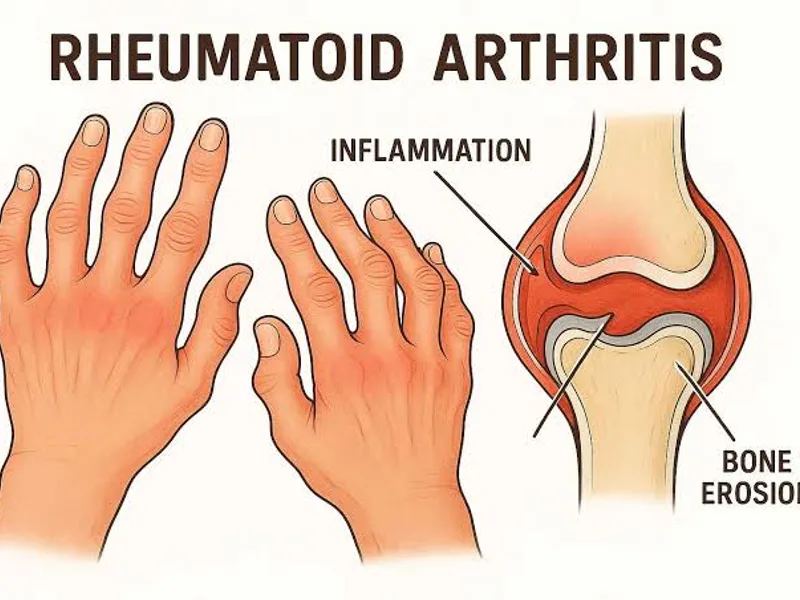
Rheumatoid Arthritis is a chronic autoimmune and inflammatory disease that primarily affects joints. The immune system attacks the synovium — the soft tissue lining the joints — causing painful inflammation, swelling, stiffness, and progressive joint damage. RA commonly affects the small joints of the hands, wrists, and feet symmetrically (both sides of the body at the same time), though it can involve any joint and even affect organs like the heart, lungs, and eyes.
How the Immune System Normally Works
In a healthy immune system, white blood cells patrol the body, targeting real threats like bacteria and viruses. The synovial membrane in joints is a normally quiet tissue. T cells and B cells communicate via chemical messengers called cytokines to mount and resolve inflammatory responses. Anti-inflammatory signals ensure that once a threat is eliminated, the inflammation subsides and tissue heals. The body carefully balances between defending itself and over-reacting.
What Goes Wrong in Rheumatoid Arthritis
In RA, this balance breaks down. Autoreactive T cells infiltrate the synovium and trigger an immune response against it. B cells produce auto-antibodies — particularly Rheumatoid Factor (RF) and anti-cyclic citrullinated peptide (anti-CCP) antibodies — that attack synovial tissue. Inflammatory cytokines like TNF-alpha, IL-1, and IL-6 are released in large quantities, causing the synovium to thicken and form a destructive tissue called pannus. This pannus erodes cartilage and bone, causing irreversible joint damage if left untreated.
Causes and Triggers
• Genetic factors — HLA-DRB1 gene variants are strongly associated with RA risk
• Environmental triggers — smoking is the most significant modifiable risk factor
• Hormonal factors — RA is 2-3 times more common in women, suggesting estrogen involvement
• Infections — certain bacterial or viral infections (e.g., Epstein-Barr virus) may trigger autoimmunity
• Gut microbiome dysbiosis — imbalance in gut bacteria linked to autoimmune activation
Genetic and Environmental Factors
RA has a heritability of about 60%, meaning genetics contribute significantly. However, genes alone do not cause RA — environmental triggers are equally important. Smoking doubles the risk and worsens disease severity. Obesity increases inflammation. Exposure to silica dust in certain occupations also raises risk. Women are disproportionately affected, particularly during hormonal transitions like postpartum and perimenopause.
Symptoms and Warning Signs
• Morning stiffness lasting more than 30-60 minutes — a key early indicator
• Swollen, warm, tender joints — especially fingers, wrists, and feet
• Symmetrical joint involvement (same joints on both sides of the body)
• Fatigue, low-grade fever, and general feeling of illness
• Loss of joint function and grip strength
• Rheumatoid nodules — firm bumps under the skin near affected joints
• In advanced or severe cases: dry eyes, chest pain, and breathing difficulties
Diagnosis Process
Diagnosis involves clinical examination, blood tests (RF, anti-CCP, CRP, ESR), and imaging (X-rays, ultrasound, or MRI to assess joint damage). The 2010 ACR/EULAR classification criteria help standardise diagnosis. Early diagnosis — ideally within the first few weeks of symptoms — is critical to prevent irreversible damage. A specialist Rheumatologist is the most qualified professional to diagnose and manage RA.
Treatment Options
RA treatment has transformed dramatically in recent decades:
• DMARDs (Disease-Modifying Anti-Rheumatic Drugs) — Methotrexate is the cornerstone treatment; slows disease progression
• Biologic therapies — TNF inhibitors, IL-6 blockers, and B cell depleters target specific immune pathways with remarkable efficacy
• JAK inhibitors — newer oral targeted therapies
• NSAIDs and corticosteroids — provide short-term relief but are not disease-modifying
• Joint surgery — in severely damaged joints, joint replacement or fusion may restore function
Diet and Nutrition Recommendations
• Mediterranean diet — rich in omega-3 fatty acids, antioxidants, and anti-inflammatory compounds
• Omega-3 supplements (fish oil) — shown to reduce joint pain and morning stiffness
• Turmeric/curcumin — natural anti-inflammatory with clinical evidence for joint benefit
• Avoid processed foods, refined sugars, and trans fats which promote systemic inflammation
• Adequate calcium and vitamin D to protect bones (especially important with steroid use)
Daily Lifestyle Management
• Gentle, regular exercise — swimming, cycling, and yoga maintain joint flexibility without high impact
• Joint protection techniques — use assistive devices, adapt daily activities to reduce strain
• Balance rest and activity — overexertion worsens flares
• Quit smoking — reduces disease severity and improves treatment response
• Maintain a healthy weight — reduces mechanical stress on joints
Mental Health Impact
Living with chronic pain and disability takes a significant psychological toll. Depression and anxiety are two to three times more common in RA patients than in the general population. The unpredictable nature of flares, fear of disability, and medication side effects all compound the emotional burden. Cognitive Behavioural Therapy (CBT), peer support groups, and an integrated care approach addressing both physical and mental health have proven highly effective for RA patients.
Possible Complications
• Permanent joint deformity and disability
• Cardiovascular disease — RA significantly raises heart attack and stroke risk
• Interstitial lung disease — inflammation of lung tissue
• Increased infection susceptibility — from the disease itself and immunosuppressive medications
• Anaemia and fatigue related to chronic inflammation
Living Well with Rheumatoid Arthritis
A proactive approach to RA — combining specialist medical care, exercise, nutrition, and emotional support — transforms outcomes dramatically. People with RA today, with access to biologic therapies and comprehensive multidisciplinary care, achieve remission and near-normal function far more often than previous generations. For excellent specialist rheumatology services, explore Best Hospitals for Rheumatoid Arthritis in Kolkata offering advanced treatment options.
Frequently Asked Questions
Is RA curable?
RA cannot be cured, but it can be driven into remission — a state of very low disease activity or no symptoms. Modern biologic therapies have made remission a realistic goal for many patients.
Can children get RA?
Yes. Juvenile Idiopathic Arthritis (JIA) is the childhood equivalent, requiring specialised paediatric rheumatology care.
Does RA get worse with age?
Without treatment, RA tends to progress. However, with early and aggressive treatment, most patients maintain good function into old age.
Conclusion
Rheumatoid Arthritis is more than a joint disease — it is a systemic immune condition with the power to affect your whole life. But knowledge, early action, and the right medical partnership change everything. With modern treatments targeting the root immune mechanisms, more people with RA are achieving remission than ever before. Start the conversation with a rheumatologist today.