Thyroid Disease: Understanding Your Butterfly-Shaped Master Gland and How to Protect It
Introduction
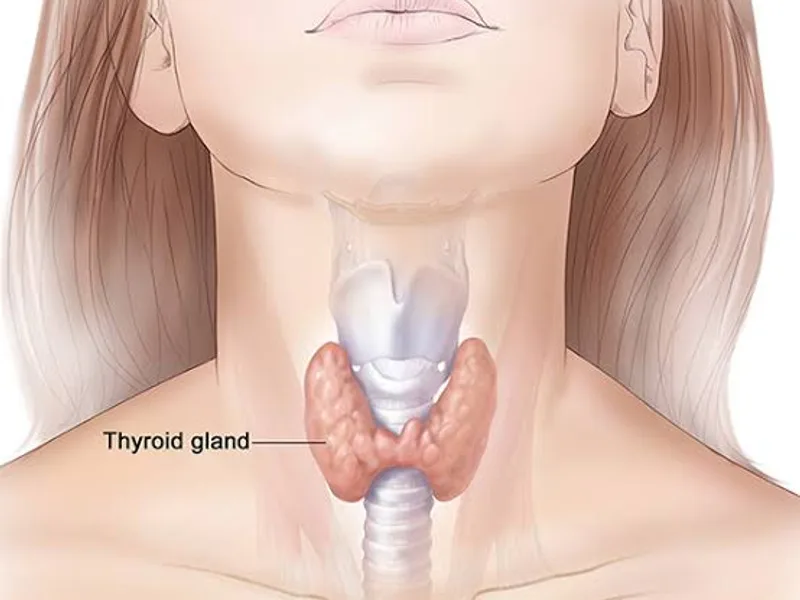
The thyroid gland — a small, butterfly-shaped organ at the base of the neck — has an outsized influence on virtually every system in the body. Thyroid hormones regulate metabolism, heart rate, body temperature, mood, brain function, and reproductive health. When the thyroid malfunctions, the effects ripple through the entire body. Thyroid disease is remarkably common, affecting an estimated 200 million people worldwide, with women five to eight times more likely to be affected than men. Yet thyroid disease remains frequently misdiagnosed, often masquerading as fatigue, depression, or weight problems. This guide illuminates thyroid disease from the inside out — including its often-overlooked immune system connections.
What is Thyroid Disease?
Thyroid disease encompasses a spectrum of conditions affecting thyroid structure and function: hypothyroidism (underactive thyroid), hyperthyroidism (overactive thyroid), Hashimoto's thyroiditis (autoimmune destruction of the thyroid), Graves' disease (autoimmune stimulation of the thyroid), thyroid nodules, goiter (enlarged thyroid), and thyroid cancer. Each has distinct causes, symptoms, and treatment approaches, but all share the thyroid gland as their center of dysfunction.
How the Immune System Normally Works
The immune system maintains strict tolerance toward the body's own tissues, including the thyroid gland, through regulatory T cells and immune checkpoint mechanisms. Thyroid antigens are normally sequestered from immune surveillance, and even when immune cells encounter thyroid tissue, specialized suppressor mechanisms prevent autoimmune attack. The thyroid gland itself plays no active immune function but is critically dependent on immune tolerance for its integrity.
What Goes Wrong in Thyroid Disease
In autoimmune thyroid diseases — the most common cause of thyroid dysfunction worldwide — immune tolerance breaks down. In Hashimoto's thyroiditis, autoreactive T cells infiltrate the thyroid gland and orchestrate a destructive inflammatory response, progressively destroying thyroid tissue and causing hypothyroidism. The presence of anti-TPO and anti-thyroglobulin antibodies is the immunological hallmark. In Graves' disease, B cells produce stimulatory antibodies (TRAb/TSI) that bind to TSH receptors on thyroid cells, causing excessive and uncontrolled thyroid hormone production.
Causes and Triggers
• Autoimmune conditions (Hashimoto's, Graves' disease)
• Iodine deficiency (most common cause of thyroid disease globally)
• Iodine excess (can trigger thyroid dysfunction in susceptible individuals)
• Radiation exposure to the neck or head
• Certain medications (amiodarone, lithium, immunotherapy drugs)
• Viral infections that may trigger autoimmune thyroiditis
• Pregnancy and postpartum hormonal changes
Genetic and Environmental Factors
Autoimmune thyroid diseases have strong genetic components — HLA-DR3, CTLA4, PTPN22, and thyroid-specific gene variants all influence risk. Monozygotic twins have 50–80% concordance rates for Hashimoto's disease, confirming both genetic and environmental contributions. Triggers include smoking (increases Graves' disease risk), excess iodine intake, selenium deficiency (selenium is essential for thyroid hormone synthesis), stress, and postpartum immune rebound. The microbiome also appears to influence thyroid autoimmunity through gut-immune interactions.
Symptoms and Warning Signs
Hypothyroidism symptoms: fatigue, weight gain, cold intolerance, dry skin and hair, constipation, depression, brain fog, menstrual irregularities, muscle weakness, slow heart rate, and hoarse voice. Hyperthyroidism symptoms: anxiety, rapid heart rate (palpitations), weight loss despite increased appetite, heat intolerance, sweating, tremor, insomnia, frequent bowel movements, and in Graves' disease — eye bulging (exophthalmos). Thyroid nodules are usually asymptomatic but may cause neck discomfort, difficulty swallowing, or voice changes if large.
Diagnosis Process
TSH (thyroid-stimulating hormone) is the most sensitive test for thyroid function — elevated TSH indicates hypothyroidism; suppressed TSH indicates hyperthyroidism. Free T4 and Free T3 levels provide additional detail. Antibody tests (anti-TPO, anti-Tg, TRAb) identify autoimmune thyroid disease. Thyroid ultrasound evaluates gland structure, size, and nodules. Radioactive iodine uptake scan assesses thyroid function distribution. Fine needle aspiration (FNA) biopsy evaluates suspicious nodules. An Endocrinologist specializes in thyroid disorders and provides expert diagnosis, medication management, and monitoring for complications.
Treatment Options
Hypothyroidism is treated with levothyroxine (synthetic T4), taken daily on an empty stomach. Dose is individualized based on TSH monitoring. Hyperthyroidism is managed with antithyroid medications (methimazole, propylthiouracil), radioactive iodine ablation, or surgery. For thyroid nodules and differentiated thyroid cancer, Thyroid Surgery (total or partial thyroidectomy) may be recommended, followed by radioactive iodine therapy and levothyroxine suppression therapy. Comprehensive thyroid care is available at the Best Hospitals for Thyroid Disease in Kolkata.
Diet and Nutrition Recommendations
Iodine is essential for thyroid hormone synthesis — ensure adequate intake through iodized salt and seafood. Selenium supports thyroid enzyme function; good sources include Brazil nuts, tuna, and whole grains. For Hashimoto's patients, some find benefit in a gluten-free or anti-inflammatory diet, though evidence is mixed. Avoid excessive consumption of raw cruciferous vegetables (broccoli, cabbage) if iodine intake is borderline — cooking neutralizes goitrogenic compounds. Biotin supplements (high dose) can interfere with thyroid test results; inform your doctor if you take them.
Daily Lifestyle Management
Take levothyroxine consistently at the same time each day, on an empty stomach, 30–60 minutes before eating. Calcium, iron, and antacids interfere with absorption — space them at least 4 hours apart. Get regular TSH monitoring (every 6–12 months when stable). Exercise helps manage weight and mood in hypothyroidism; in hyperthyroidism, avoid intense exercise until thyroid function is controlled due to cardiac risk. Manage stress — it can trigger thyroid flares and worsen symptoms. Adequate sleep supports thyroid hormone regulation.
Mental Health Impact
Thyroid dysfunction profoundly affects mental health. Hypothyroidism commonly causes depression, anxiety, brain fog, and memory impairment that can be mistaken for primary psychiatric conditions. Hyperthyroidism frequently causes anxiety, panic attacks, irritability, and emotional lability. Even after thyroid function is normalized with treatment, some patients continue to experience mood and cognitive symptoms, suggesting lasting effects on brain chemistry. A neurologist may be consulted for persistent neurological symptoms — consult a Neurologist when thyroid-related neurological concerns arise.
Possible Complications
Untreated hypothyroidism can progress to myxedema coma, a life-threatening emergency. Untreated hyperthyroidism can cause thyroid storm, atrial fibrillation, heart failure, and severe osteoporosis. Autoimmune thyroid disease is associated with other autoimmune conditions, including Type 1 diabetes, celiac disease, and lupus. Thyroid cancer, while generally highly treatable, requires prompt diagnosis and appropriate management to prevent metastasis.
Living Well with Thyroid Disease
The vast majority of people with thyroid disease can achieve excellent control with appropriate treatment and regular monitoring. The key is consistency — taking medication as prescribed, attending follow-up appointments, and communicating any changes in symptoms to your doctor. Joining a thyroid disease support group can provide valuable community and practical advice. Many people with thyroid disease live completely normal, active, and fulfilling lives.
Frequently Asked Questions
Can thyroid disease affect fertility?
Yes. Both hypothyroidism and hyperthyroidism can impair fertility and increase the risk of miscarriage. Thyroid function should be screened and optimized before and during pregnancy.
Is Hashimoto's disease the same as hypothyroidism?
Not exactly. Hashimoto's is the autoimmune condition that causes thyroid damage; hypothyroidism is the resulting functional deficiency. Not all Hashimoto's patients become hypothyroid immediately, and some have normal thyroid function for years.
Can thyroid disease be prevented?
Autoimmune thyroid disease cannot currently be prevented. However, ensuring adequate (not excessive) iodine and selenium intake, avoiding smoking, and managing stress may reduce risk.
Conclusion
Your thyroid gland may be small, but its influence on your health is enormous. Thyroid disease — whether autoimmune, structural, or functional — deserves prompt diagnosis and comprehensive management. With today's excellent treatment options, regular monitoring, and a proactive lifestyle approach, living well with thyroid disease is absolutely within reach.