

Emergency & Help
24/7 Emergency & General Advisory
🚨 24/7 Medical Emergency
Non-Emergency Advisory
10:00 AM – 6:00 PM, Mon–Sat
For appointments & general queries.
24/7 Emergency & General Advisory
🚨 24/7 Medical Emergency
Non-Emergency Advisory
10:00 AM – 6:00 PM, Mon–Sat
For appointments & general queries.
Stay updated with our latest healthcare news and your appointments.
"Confused about the difference between a stomach flu and dysentery? Learn the clear definition of dysentery, its major causes (bacillary vs. amoebic), and the red-flag symptoms you should never ignore."

In simple terms, dysentery is an intestinal inflammation, specifically in the colon. While many people confuse it with standard diarrhea, there is a key difference: blood.
The Clinical Definition: Dysentery is a type of gastroenteritis that results in severe diarrhea containing mucus and/or blood, often accompanied by fever and abdominal pain.
Think of it as diarrhea’s much more aggressive cousin. While regular diarrhea is just loose stools, dysentery is an infection that actually causes damage to the lining of your intestines.
Not all dysentery is created equal. Depending on what you accidentally swallowed, it usually falls into one of two categories:
(Shigellosis): This is the most common type. It’s caused by Shigella bacteria. It’s highly contagious and often spreads in crowded areas or through contaminated food.
(Amoebiasis): This one is caused by a single-celled parasite called Entamoeba histolytica. This type is more common in tropical climates or areas with less-than-ideal sanitation.
How do you know if you have dysentery versus a simple case of food poisoning? Look out for these "Big Four" symptoms:
Bloody Stools: This is the hallmark sign. If there is blood or visible mucus, it’s time to call a doctor.
Intense Cramping: Not just a dull ache, but sharp, "doubled-over" pain.
Tenesmus: That frustrating feeling that you need to go, even when your bowels are empty.
High Fever: Because your body is fighting a legitimate infection, your temperature will often spike.
Dysentery is a "fecal-oral" disease. That sounds gross because it is. It spreads when someone consumes something contaminated by the feces of an infected person.
Pro-tips for staying safe:
Wash your hands: Soap and water are your best friends, especially before eating.
Watch the water: If you’re traveling, stick to bottled water and avoid ice cubes (which are just frozen tap water).
Peel it or leave it: Eat fruits you can peel yourself (like bananas) and avoid raw salads in high-risk areas.
Dysentery isn't something you should "tough out" at home. Because it causes such rapid fluid loss, dehydration is a major risk. If you see blood, can’t keep liquids down, or feel extremely dizzy, head to a clinic. Doctors can usually clear it up quickly with the right antibiotics or anti-parasitic medication.
Stay hydrated, stay clean, and listen to your gut—literally!
Do you have any specific concerns about symptoms you're experiencing, or are you looking for more tips on travel safety?
Visit Hospital
Near You
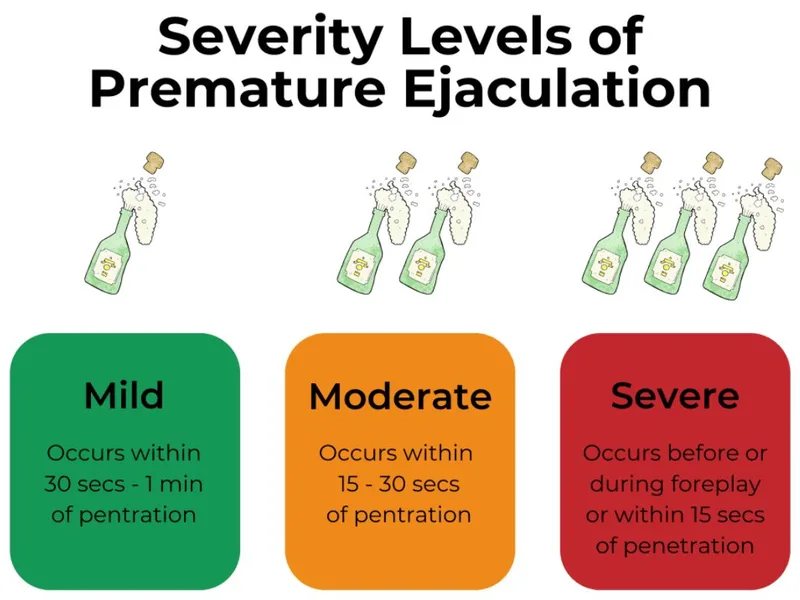
A sexual health specialist treats more than you'd think. Here's what they actually do, when to book one, and how to find someone you trust.
August 19, 2026
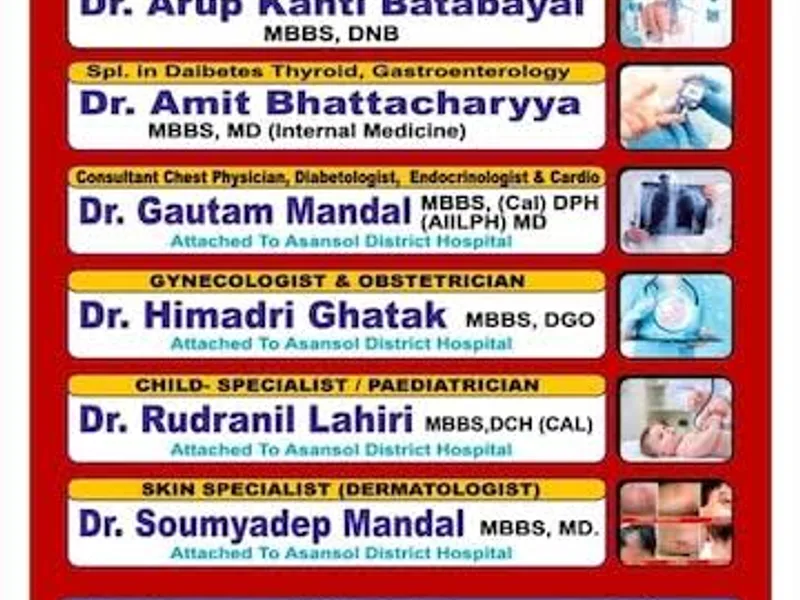
Find a family doctor in Asansol for common illnesses, routine care, diabetes, BP, infections and guidance on specialist referrals.
August 18, 2026

The White House is reportedly drafting an executive order addressing childhood vaccines and autism, following months of pressure from President Trump on Health Secretary Robert F. Kennedy Jr. As of early August 2026, the order hasn't been signed and its exact contents remain unclear.
August 10, 2026