

Emergency & Help
24/7 Emergency & General Advisory
🚨 24/7 Medical Emergency
Non-Emergency Advisory
10:00 AM – 6:00 PM, Mon–Sat
For appointments & general queries.
24/7 Emergency & General Advisory
🚨 24/7 Medical Emergency
Non-Emergency Advisory
10:00 AM – 6:00 PM, Mon–Sat
For appointments & general queries.
Stay updated with our latest healthcare news and your appointments.
Found "Leukocytosis" on your lab results? Learn what a high white blood cell count means, common causes, and the ICD-10 codes used by doctors
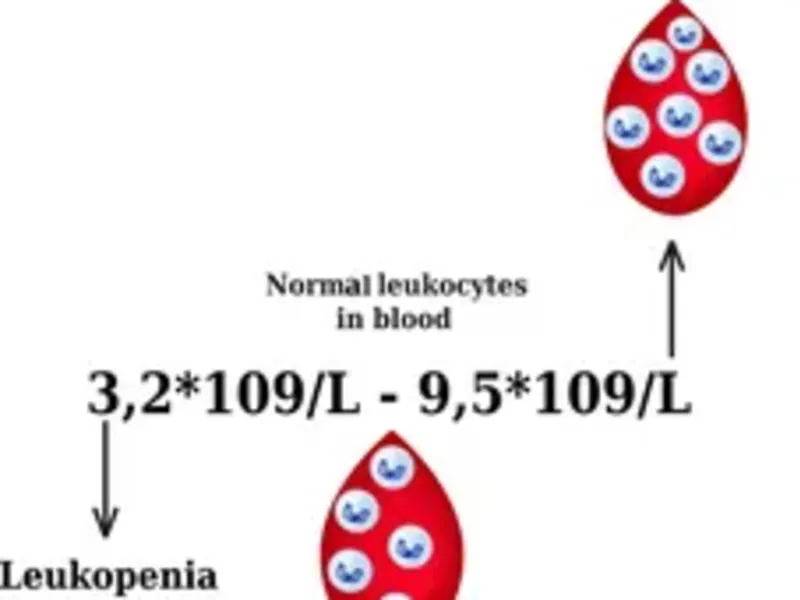
You just opened your patient portal, scrolled down to your blood work, and there it is in bold: Leukocytosis. It sounds like a mouthful, and if you're like most people, your first instinct is to hit the search engine to figure out if you should be worried.
The good news? Leukocytosis isn't a disease itself—it’s a sign that your body’s internal security team is working overtime.
In plain English, leukocytosis is a high white blood cell (WBC) count.
White blood cells are your body’s "first responders." When you have an infection, an injury, or even just a high level of stress, your bone marrow pumps out more of these cells to protect you.
The Definition: Leukocytosis occurs when your white blood cell count is above the normal range (typically above 11,000 cells per microliter of blood in adults).
A high WBC count doesn't always mean something is "wrong"; it usually means something is happening. Here are the most common reasons your numbers might be up:
Infection: This is the #1 cause. Whether it’s a cold, a UTI, or a sinus infection, your body is producing more "soldiers" to fight the germs.
Inflammation: Conditions like arthritis or even a bad physical injury can trigger an immune response.
Stress & Exercise: Believe it or not, extreme physical exertion or intense emotional stress can temporarily spike your count.
Smoking: Chronic smokers often have a baseline leukocytosis because their lungs are in a constant state of mild inflammation.
Medication: Certain drugs, like steroids, are famous for bumping up your WBC numbers.
If you are looking at an insurance claim or a doctor’s note, you might see some alphanumeric codes. These are used for billing and medical records.
The primary
is: D72.829: Leukocytosis, unspecified.
If the doctor knows why the count is high, they might use a more specific code, but D72.82 is the general neighborhood for a high white cell count.
Seeing a "high" marker on a lab report can be jarring, but doctors rarely look at leukocytosis in isolation. They look at the differential—which specific type of white blood cell is high (neutrophils, lymphocytes, etc.).
If you feel fine: Your doctor might just want to re-run the test in a few weeks to see if the numbers have settled.
If you have a fever or pain: It helps them confirm that you’re fighting an active infection that might need treatment.
Leukocytosis is essentially your body’s "check engine" light. It doesn't tell you exactly what the problem is, but it tells you that the hood is up and the engine is working hard.
Always talk to your healthcare provider to interpret your results. They know your full history, your symptoms, and exactly what those numbers mean for you.
Visit Hospital
Near You
A sexual health specialist treats more than you'd think. Here's what they actually do, when to book one, and how to find someone you trust.
August 19, 2026

Find a family doctor in Asansol for common illnesses, routine care, diabetes, BP, infections and guidance on specialist referrals.
August 18, 2026

The White House is reportedly drafting an executive order addressing childhood vaccines and autism, following months of pressure from President Trump on Health Secretary Robert F. Kennedy Jr. As of early August 2026, the order hasn't been signed and its exact contents remain unclear.
August 10, 2026