

Emergency & Help
24/7 Emergency & General Advisory
🚨 24/7 Medical Emergency
Non-Emergency Advisory
10:00 AM – 6:00 PM, Mon–Sat
For appointments & general queries.
24/7 Emergency & General Advisory
🚨 24/7 Medical Emergency
Non-Emergency Advisory
10:00 AM – 6:00 PM, Mon–Sat
For appointments & general queries.
Learn 3 effective hamstring exercises to build strength, improve performance, and prevent injuries. Includes Romanian Deadlifts, Stability Ball Hamstring Curls, and Glute Bridges.
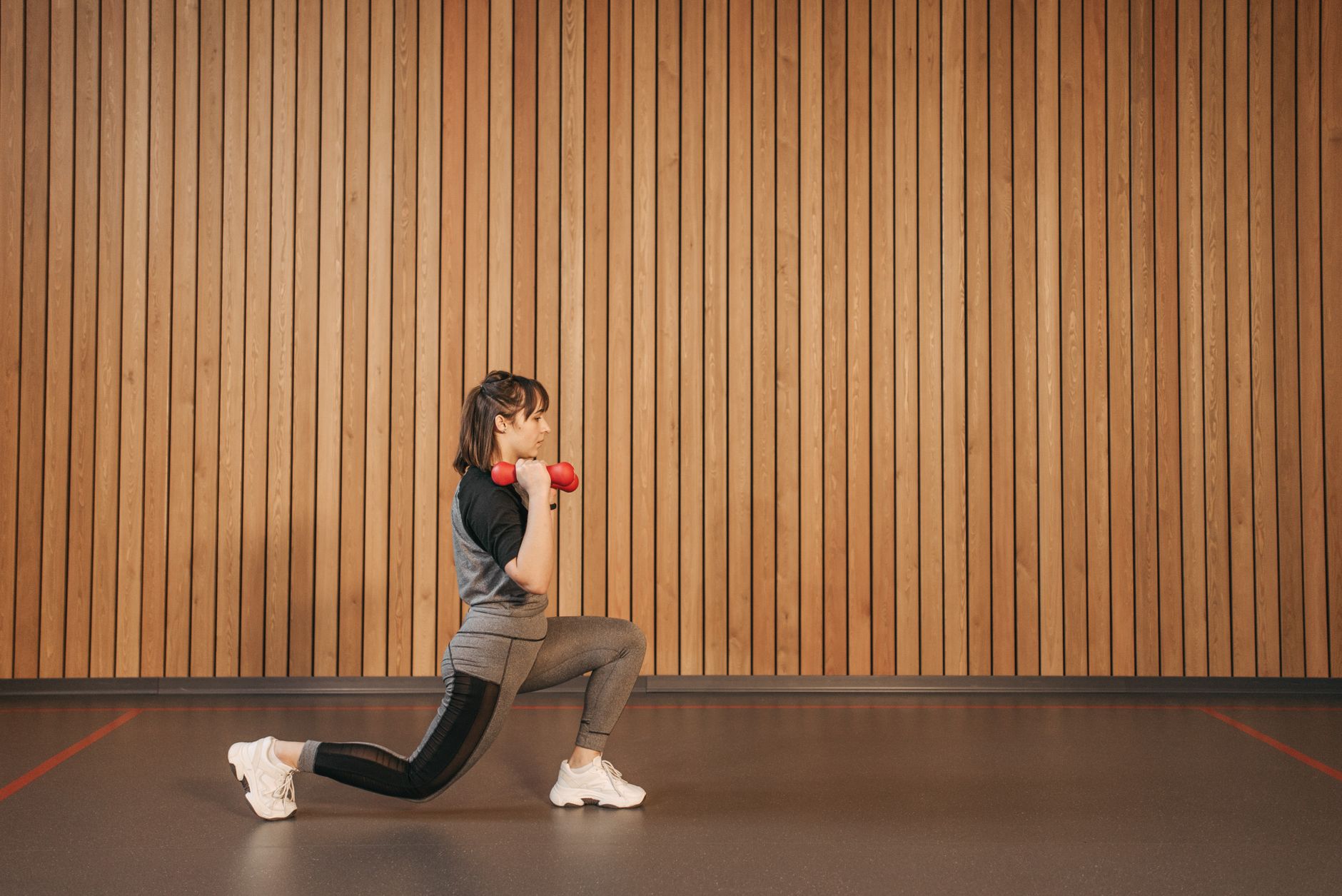
The hamstrings are a group of three muscles located at the back of your thigh, running from your hip to just below your knee. These powerful muscles play a crucial role in many everyday activities, including walking, running, jumping, and even bending over. Strong hamstrings are essential not only for athletic performance but also for maintaining good posture, preventing injuries, and ensuring overall lower body stability. Weak or tight hamstrings can lead to a variety of issues, such as lower back pain, knee pain, and an increased risk of muscle strains.
In India, where many people lead active lives, whether through daily chores, sports, or simply navigating busy streets, strong hamstrings are vital. They help to:
Incorporating targeted exercises into your fitness routine can significantly improve hamstring strength and flexibility. Here are three effective exercises, demonstrated by Healthline, that you can do with minimal equipment:
The Romanian Deadlift is a fantastic exercise for targeting the hamstrings, glutes, and lower back. It emphasizes the eccentric (lengthening) phase of the movement, which is excellent for muscle growth and flexibility.
Important Note: Focus on the hip hinge movement rather than bending your back. If you're new to this exercise, start with lighter weights or even just your bodyweight to perfect your form.
This exercise uses a stability ball to add an element of instability, engaging your core and improving hamstring activation. It's a great bodyweight exercise that can be done at home.
Tip: If this is too challenging, you can start by just doing the leg curl motion without lifting your hips initially. As you get stronger, you can progress to lifting your hips.
While primarily a glute exercise, the glute bridge can be modified to increase hamstring involvement, making it a comprehensive lower body strengthener.
Modification: For an added challenge, try performing single-leg glute bridges, which significantly increases the load on the hamstrings and glutes of the working leg.
Aim to perform these exercises 2-3 times per week, allowing at least one rest day in between for muscle recovery. Start with 2-3 sets of 8-12 repetitions for each exercise. As you get stronger, you can gradually increase the weight, repetitions, or sets.
Always begin your workout with a 5-10 minute warm-up, which could include light cardio like jogging in place or dynamic stretches such as leg swings. After your workout, dedicate 5-10 minutes to static stretching, holding each stretch for 30 seconds. Focus on stretching the hamstrings, quadriceps, and glutes.
While these exercises are generally safe, it's important to listen to your body. Consult a healthcare professional if you experience any of the following:
A doctor or a qualified physiotherapist can assess your condition, provide personalized guidance, and help you develop a safe and effective exercise plan tailored to your specific needs. They can also help diagnose and treat any underlying issues contributing to hamstring weakness or pain.
Beyond strengthening, prevention involves:
By incorporating these exercises and following preventive measures, you can build stronger, healthier hamstrings, contributing to better overall physical health and reducing the risk of injury.
Visit Hospital
Near You

Learn essential dynamic and static stretches for your inner thighs to improve flexibility, prevent injuries, and reduce muscle tension. Perfect for Indian readers seeking practical advice.
April 1, 2026

Discover simple yet effective glute stretches to relieve tightness, reduce back pain, and improve your mobility. Learn how to perform them safely at home or at your desk.
April 1, 2026

Squats and leg presses are both excellent for leg day, but they differ in muscle engagement, benefits, and risks. Learn which one is best for your fitness goals.
April 1, 2026