

Emergency & Help
24/7 Emergency & General Advisory
🚨 24/7 Medical Emergency
Non-Emergency Advisory
10:00 AM – 6:00 PM, Mon–Sat
For appointments & general queries.
24/7 Emergency & General Advisory
🚨 24/7 Medical Emergency
Non-Emergency Advisory
10:00 AM – 6:00 PM, Mon–Sat
For appointments & general queries.
Discover adaptive yoga, a practice designed to make yoga accessible for every body and every ability. Learn about its benefits, how it works, and find classes.
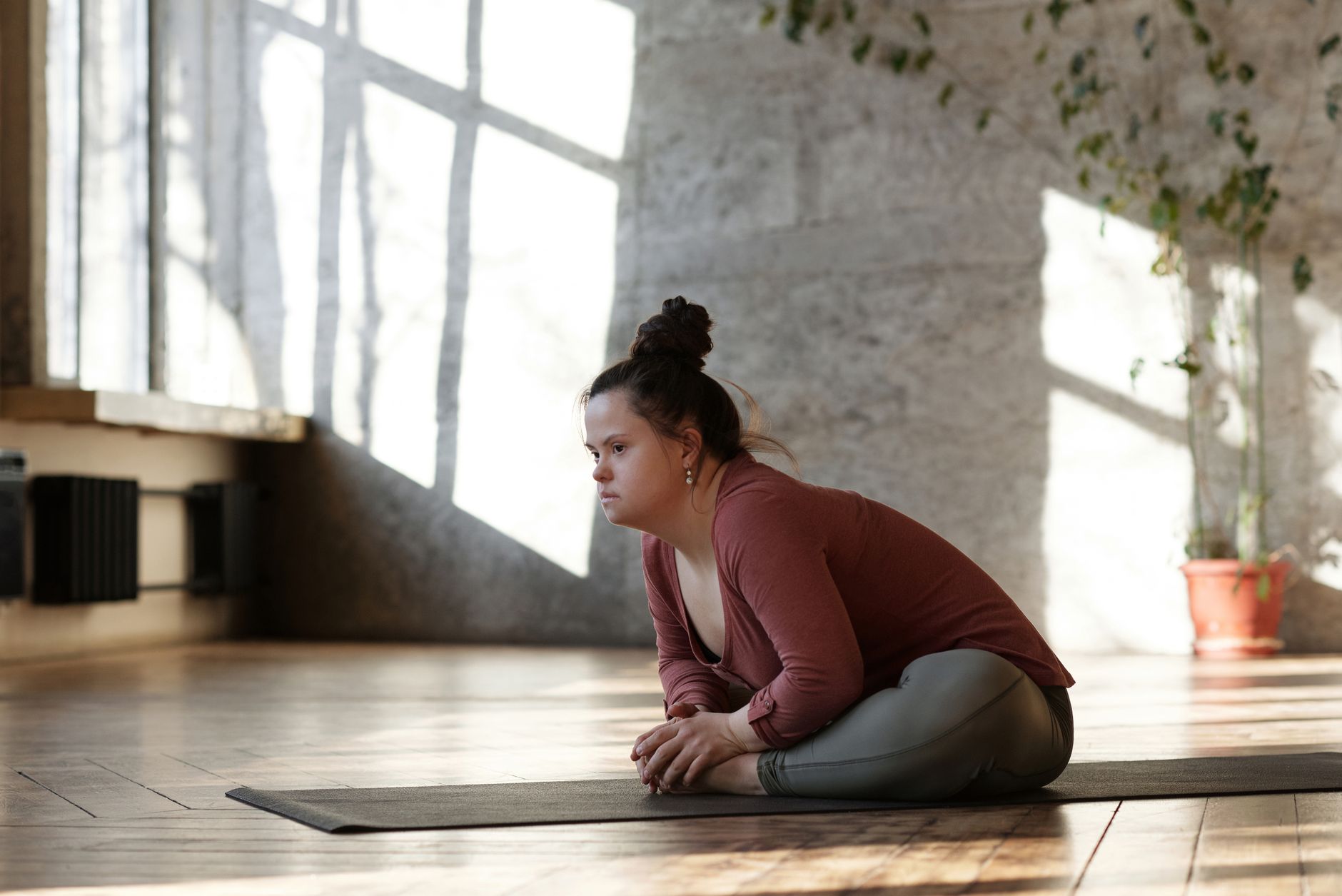
Yoga. The word itself often conjures images of pretzel-like poses, serene studios, and an almost superhuman level of flexibility. For many in India, and indeed around the world, the idea of stepping onto a yoga mat can feel intimidating. We see the impossibly bendy instructors on social media, or we hear stories of advanced practitioners holding poses for minutes on end, and we think, “That’s just not for me.” Perhaps you’ve experienced a physical limitation, be it from an injury, a chronic condition, or simply the natural process of aging. Maybe you’ve felt too inflexible, too stiff, or even too self-conscious to join a regular yoga class. You might be thinking, “Yoga is for the young, the fit, the able-bodied.” But what if I told you that this common perception is not only limiting but also fundamentally untrue? What if yoga, in its truest form, is meant for *everyone*? Enter adaptive yoga. You might have heard it called adapted yoga or accessible yoga. Whatever the name, the core principle remains the same: yoga is for every body, and every ability. This isn’t about modifying poses to make them “easier”; it’s about *adapting* them to fit *your* unique body and *your* unique needs. It’s a practice that honours the individual, recognizing that our physical and mental landscapes are constantly shifting and unique. What Exactly IS Adaptive Yoga? Imagine a yoga class where the instructor doesn't just demonstrate a pose, but offers multiple ways to approach it. One person might use a chair for support, another might use blocks to bring the floor closer, and someone else might modify the pose entirely to accommodate a specific physical challenge. This is the essence of adaptive yoga. It’s a style of yoga that intentionally makes poses accessible to a wider range of people, including those with physical disabilities, chronic illnesses, age-related limitations, or neurological conditions. Matthew Sanford, a pioneer in adaptive yoga who has been teaching since 1997 and lives with a spinal cord injury, has taught yoga to individuals with all sorts of limitations – from those in wheelchairs to people in comas. His work, and that of countless other adaptive yoga teachers, powerfully demonstrates that yoga is not defined by the ability to contort your body into a specific shape. It’s about the connection between mind, body, and breath, a connection that is available to us all, regardless of our physical circumstances. JoAnn Lyons, another seasoned adaptive yoga teacher with over 25 years of experience, believes that *all* yoga classes should ideally be taught with an adaptive mindset. She emphasizes that each of us should be adapting poses to suit our individual needs. While many adaptive classes are specifically designed for individuals with disabilities and chronic conditions, Lyons’ perspective highlights a universal truth: yoga is a personal journey, and our practice should always honour our current physical reality. Who Can Benefit from Adaptive Yoga? The short answer? Everyone. But let’s be more specific. Adaptive yoga is particularly beneficial for: Individuals with physical disabilities (e.g., paralysis, amputation, mobility impairments). People living with chronic health conditions (e.g., arthritis, Parkinson’s disease, multiple sclerosis, fibromyalgia). Seniors who may experience decreased flexibility, balance issues, or joint pain. Anyone recovering from an injury or surgery. Individuals experiencing stress, anxiety, or depression, as yoga can have profound mental health benefits. Those who feel intimidated by traditional yoga classes due to perceived lack of flexibility or strength. People of any age who simply want a more personalized and mindful approach to their yoga practice. It’s about meeting yourself where you are. No judgment, no comparison, just presence and gentle exploration. Key Benefits of Practicing Adaptive Yoga The advantages of incorporating adaptive yoga into your routine extend far beyond just physical movement. It’s a holistic practice that nurtures both the body and the mind. Improved Quality of Life: Studies have shown that adaptive yoga can significantly enhance overall quality of life, boosting mental and social well-being. When you feel more capable and connected in your body, your outlook on life naturally brightens. Enhanced Physical Mobility and Balance: For individuals with conditions like Parkinson’s disease or brain injuries, adaptive yoga has been shown to improve physical mobility, balance, and even walking speed. The modifications allow for safe and effective strengthening and stretching, tailored to individual needs. Reduced Symptoms of Anxiety and Depression: The mindful movement and breathwork inherent in yoga are powerful tools for managing mental health. Research indicates that adaptive yoga can lead to a reduction in symptoms of anxiety and depression, offering a sense of calm and emotional regulation. Increased Self-Compassion: Living with a disability or chronic condition can sometimes lead to feelings of frustration or self-criticism. Adaptive yoga provides a safe space to reconnect with your body, fostering a sense of acceptance and self-compassion. It’s about celebrating what your body *can* do, not lamenting what it cannot. Greater Body Awareness: By paying close attention to how different adaptations feel in your body, you cultivate a deeper, more nuanced understanding of your physical sensations and capabilities. This heightened awareness can translate into better movement patterns in daily life. Improved Daily Function: The gains in balance, strength, and mobility often translate directly into improved ability to perform everyday tasks, leading to greater independence and confidence. Making Yoga Accessible: The Adaptations The beauty of adaptive yoga lies in its creativity and resourcefulness. The goal is always to make the essence of the pose accessible. Here are some common adaptations you might encounter: Chair Yoga: Many poses can be performed while seated in a sturdy chair, offering support and stability. This is excellent for balance challenges or if getting down to and up from the floor is difficult. Props Galore: Yoga blocks, straps, bolsters, and blankets are not just for advanced practitioners! In adaptive yoga, they are essential tools to bring the floor closer, provide support, deepen stretches safely, or offer cushioning. Wall Support: A wall can act as a stable surface for balance or to assist in certain movements, like gentle backbends or inversions. Modified Poses: Poses are often simplified or altered. For example, a traditional low lunge might be practiced with the back knee on the floor, or with hands resting on blocks or a chair for support. Focus on Breath and Mindfulness: The practice isn’t solely about the physical shape. Deep breathing techniques (pranayama) and mindful awareness are integral, helping to calm the nervous system and deepen the mind-body connection, regardless of the physical pose. Slower Pacing: Classes often move at a more deliberate pace, allowing participants time to find their alignment, feel the sensations in their body, and transition safely between poses. Finding an Adaptive Yoga Class The good news is that adaptive yoga is becoming more widely available, both in-person and online. The COVID-19 pandemic, while challenging, spurred a significant increase in virtual offerings, making this practice accessible to people anywhere with an internet connection. Mind Body Solutions (MBS): Founded by Matthew Sanford, this non-profit organization offers free online adaptive yoga classes. They are a fantastic resource for finding qualified instructors and structured classes. Local Yoga Studios: Many studios now offer specialized adaptive or accessible yoga classes. It’s worth checking schedules or calling to inquire. Specialized Centers: Look for centers that cater to individuals with disabilities or chronic conditions; they often host adaptive yoga programs. Online Platforms: Websites and YouTube channels dedicated to adaptive yoga can be a great starting point for exploring the practice from the comfort of your home. Remember, the key is to find a teacher who is experienced and sensitive to diverse needs. Don't hesitate to contact the studio or instructor beforehand to discuss your specific situation. When Should You Consult a Doctor? While adaptive yoga is generally safe and highly beneficial, it's always wise to consult with your doctor before starting any new exercise program, especially if you have a pre-existing health condition, are recovering from an injury, or have any concerns about your physical capabilities. Your doctor can provide personalized advice and ensure that adaptive yoga is a suitable and safe addition to your wellness routine. Common Myths About Adaptive Yoga Debunked Let’s clear the air on some common misconceptions: Myth: Adaptive yoga is just for people with severe disabilities. Fact: While it’s incredibly beneficial for those with significant physical challenges, adaptive yoga is for anyone who wants a more accessible, personalized, and mindful yoga experience. This includes seniors, those with minor injuries, or even individuals who simply feel stiff. Myth: You need to be flexible to do yoga. Fact: This is perhaps the biggest misconception! Adaptive yoga proves that yoga is not about achieving a certain level of flexibility, but about connecting with your body and breath as they are. Myth: Adaptive yoga is less intense than traditional yoga. Fact: While the pacing might be slower and the focus is on adaptation, you can still get a very effective and strengthening workout. The intensity is tailored to your ability, ensuring you work safely and effectively. Myth: You need special equipment. Fact:
In summary, timely diagnosis, evidence-based treatment, and prevention-focused care improve long-term health outcomes.
Visit Hospital
Near You

Learn essential dynamic and static stretches for your inner thighs to improve flexibility, prevent injuries, and reduce muscle tension. Perfect for Indian readers seeking practical advice.
April 1, 2026

Discover simple yet effective glute stretches to relieve tightness, reduce back pain, and improve your mobility. Learn how to perform them safely at home or at your desk.
April 1, 2026

Squats and leg presses are both excellent for leg day, but they differ in muscle engagement, benefits, and risks. Learn which one is best for your fitness goals.
April 1, 2026