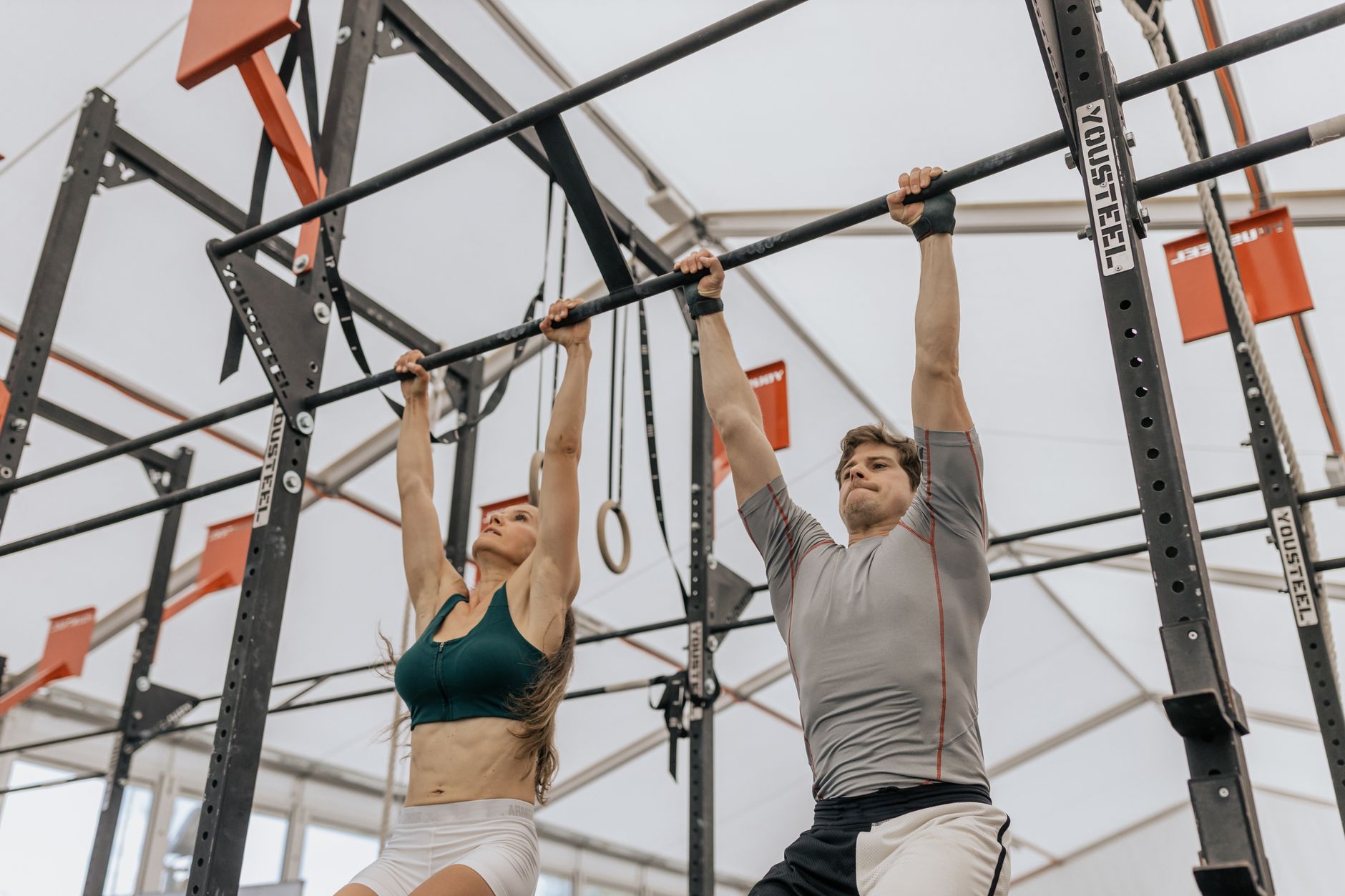
Are you looking to build serious strength in your back, shoulders, and arms, but the thought of a traditional pull-up feels a bit… out of reach? We get it. Pull-ups are fantastic, no doubt, but they demand a significant amount of muscle power that can be intimidating for many. But what if I told you there’s a brilliant alternative that delivers similar, if not sometimes superior, benefits? Enter the Australian pull-up, also known as the inverted row. It’s like the pull-up’s cooler, more accessible cousin, ready to help you build that impressive upper body physique without the initial struggle.
The beauty of the inverted row lies in its horizontal positioning. Unlike the vertical challenge of a pull-up, you’re essentially pulling your body weight towards a bar while lying beneath it. This simple shift in orientation makes the exercise far more manageable, especially for beginners. But don’t let the perceived ease fool you. This movement is a powerhouse for developing critical upper body muscles and improving foundational strength that translates directly to more challenging exercises, including the classic pull-up itself.
Why the Name 'Australian Pull-up'?
The exact origin of the name “Australian pull-up” remains a bit of a mystery, but a common theory suggests it relates to the body’s position – being “down under” the bar. Regardless of its naming roots, the inverted row is a globally recognized and highly effective bodyweight exercise.
Understanding the Inverted Row: A Visual Guide
Imagine you’re about to do a push-up. Now, flip that image in your mind. Instead of your hands on the floor pushing away, your arms are extended, gripping a bar positioned above you. Your body hangs horizontally, and the goal is to pull your chest towards that bar. This fundamental difference in body angle is what sets the inverted row apart and makes it so accessible.
The Incredible Benefits of Australian Pull-ups
So, why should you consider adding inverted rows to your fitness arsenal? The advantages are numerous and impactful, catering to a wide range of fitness levels:
- Build Foundational Strength: For those aspiring to conquer the traditional pull-up, inverted rows are an indispensable stepping stone. They allow you to perfect your form and build the necessary muscle endurance and strength without the overwhelming difficulty of a vertical pull-up. You’re essentially training the same muscle groups, but in a more controlled and progressive manner.
- Enhanced Bicep Activation: While traditional pull-ups and chin-ups enlist your biceps, the inverted row often places a greater emphasis on these arm muscles. As you initiate the pull, you’ll feel a more pronounced engagement in your biceps, contributing significantly to arm development.
- Versatility in Workouts: This exercise is incredibly adaptable. You can seamlessly integrate inverted rows into a full-body workout routine or focus on them during an upper-body focused session. They also pair exceptionally well with other exercises, creating effective supersets. For instance, performing a set of inverted rows immediately followed by a set of push-ups can create a potent muscle-building circuit.
- Engage Your Posterior Chain: Unlike vertical pull-ups, which primarily target the upper body, inverted rows demand engagement from your lower body as well. To maintain a stable, straight body line, you’ll need to actively engage your glutes and hamstrings throughout the entire movement. This isometric contraction helps strengthen these crucial posterior chain muscles.
- Improve Scapular Retraction: This is a big one, especially for anyone interested in proper shoulder health and overhead movements. Scapular retraction is the process of drawing your shoulder blades back towards your spine. The inverted row specifically targets the rhomboid muscles in your upper back, which are key players in achieving good scapular retraction. Strong scapular retraction is vital for shoulder stability and is a critical skill for mastering the traditional pull-up.
- Boost Grip Strength: Grip strength is often overlooked but is a vital indicator of overall health and functional fitness. As we age, grip strength can naturally decline. Exercises like the inverted row, which heavily engage the forearm muscles responsible for gripping, can significantly improve your hand and forearm strength, benefiting everyday tasks and athletic performance.
Muscles Worked During an Inverted Row
The inverted row is a compound exercise, meaning it works multiple muscle groups simultaneously. The primary movers include:
- Back Muscles: Latissimus dorsi (lats), rhomboids, trapezius (traps), and posterior deltoids (rear shoulders).
- Arm Muscles: Biceps brachii and brachialis.
- Core Muscles: Abdominals and obliques, engaged to maintain a rigid torso.
- Lower Body Muscles: Glutes and hamstrings, working isometrically to keep the hips from sagging.
How to Perform the Australian Pull-up (Inverted Row)
Performing inverted rows correctly is key to maximizing benefits and preventing injury. Here’s a step-by-step guide:
- Set Up Your Bar: Find a sturdy bar at a suitable height. In a gym, a squat rack or Smith machine bar is ideal. Adjust the height so that when you lie down beneath it, your arms are fully extended, and your body forms roughly a 45-degree angle with the floor. For a more challenging variation, use a lower bar; for an easier one, use a higher bar. If you’re at home, a stable railing or a secured bar can work. You can also use suspension trainers like TRX.
- Grip the Bar: Position yourself under the bar and grasp it with an overhand grip (palms facing away from you), slightly wider than shoulder-width apart. Ensure your grip is firm and secure.
- Position Your Body: Lie down beneath the bar, extending your arms fully. Your body should form a straight line from your head to your heels. Engage your core and glutes to prevent your hips from sagging. Your feet should be flat on the floor, with your knees slightly bent.
- Initiate the Pull: Begin by squeezing your shoulder blades together, initiating the movement by pulling your chest towards the bar. Think about driving your elbows down and back. Maintain a straight body line throughout.
- The Peak Contraction: Pull yourself up until your upper chest is close to the bar. Hold this position for a brief moment, focusing on squeezing your back muscles.
- Controlled Descent: Slowly and with control, lower your body back to the starting position, fully extending your arms. Resist the urge to just let gravity do the work.
- Repeat: Perform the desired number of repetitions, focusing on maintaining proper form throughout.
Common Mistakes to Avoid
Even with a seemingly simpler exercise, form is paramount. Watch out for these common pitfalls:
- Sagging Hips: This is the most frequent mistake. It indicates a lack of core and glute engagement. Keep your body rigid like a plank.
- Using Momentum: Avoid swinging your body to complete the rep. The movement should be controlled and driven by your muscles.
- Incomplete Range of Motion: Ensure you fully extend your arms at the bottom and pull high enough at the top.
- Shrugging Shoulders: Keep your shoulders down and back, away from your ears. Focus on using your back muscles, not just your arms or traps.
- Incorrect Bar Height: A bar that’s too high or too low can compromise your form and limit effectiveness. Experiment to find what works best for you.
Variations to Increase the Challenge
Once you’ve mastered the basic inverted row, you can progress with these variations:
- Lower the Bar: The closer your body is to parallel with the ground, the harder the exercise becomes.
- Elevate Your Feet: Placing your feet on a raised surface (like a bench or box) increases the load on your upper body.
- Single-Arm Inverted Rows: This advanced variation requires significant core stability and strength.
- Pause Reps: Holding the peak contraction for a few seconds increases time under tension.
When to Consult a Doctor or Fitness Professional
While Australian pull-ups are generally safe, it’s always wise to seek professional guidance if you:
- Have pre-existing shoulder, back, or wrist injuries.
- Are unsure about your form or how to perform the exercise correctly.
- Experience any pain during the exercise.
- Are recovering from an injury and looking to safely reintroduce strength training.
A qualified personal trainer or physiotherapist can help you assess your readiness, ensure proper technique, and modify the exercise to suit your individual needs.
The Takeaway
The Australian pull-up, or inverted row, is a remarkably effective exercise for building a strong, well-defined upper body. It’s accessible, versatile, and provides a solid foundation for more advanced calisthenics. Whether you’re a seasoned gym-goer or just starting your fitness journey, incorporating inverted rows can unlock significant strength gains and improve your overall physical capacity. So, why not give it a try and experience the power of pulling horizontally?