

Emergency & Help
24/7 Emergency & General Advisory
🚨 24/7 Medical Emergency
Non-Emergency Advisory
10:00 AM – 6:00 PM, Mon–Sat
For appointments & general queries.
24/7 Emergency & General Advisory
🚨 24/7 Medical Emergency
Non-Emergency Advisory
10:00 AM – 6:00 PM, Mon–Sat
For appointments & general queries.
Unlock your body's potential! Learn the science-backed secrets to building strength effectively, safely, and sustainably. Discover how long it takes, the best exercises, and essential nutrition tips for lasting results.
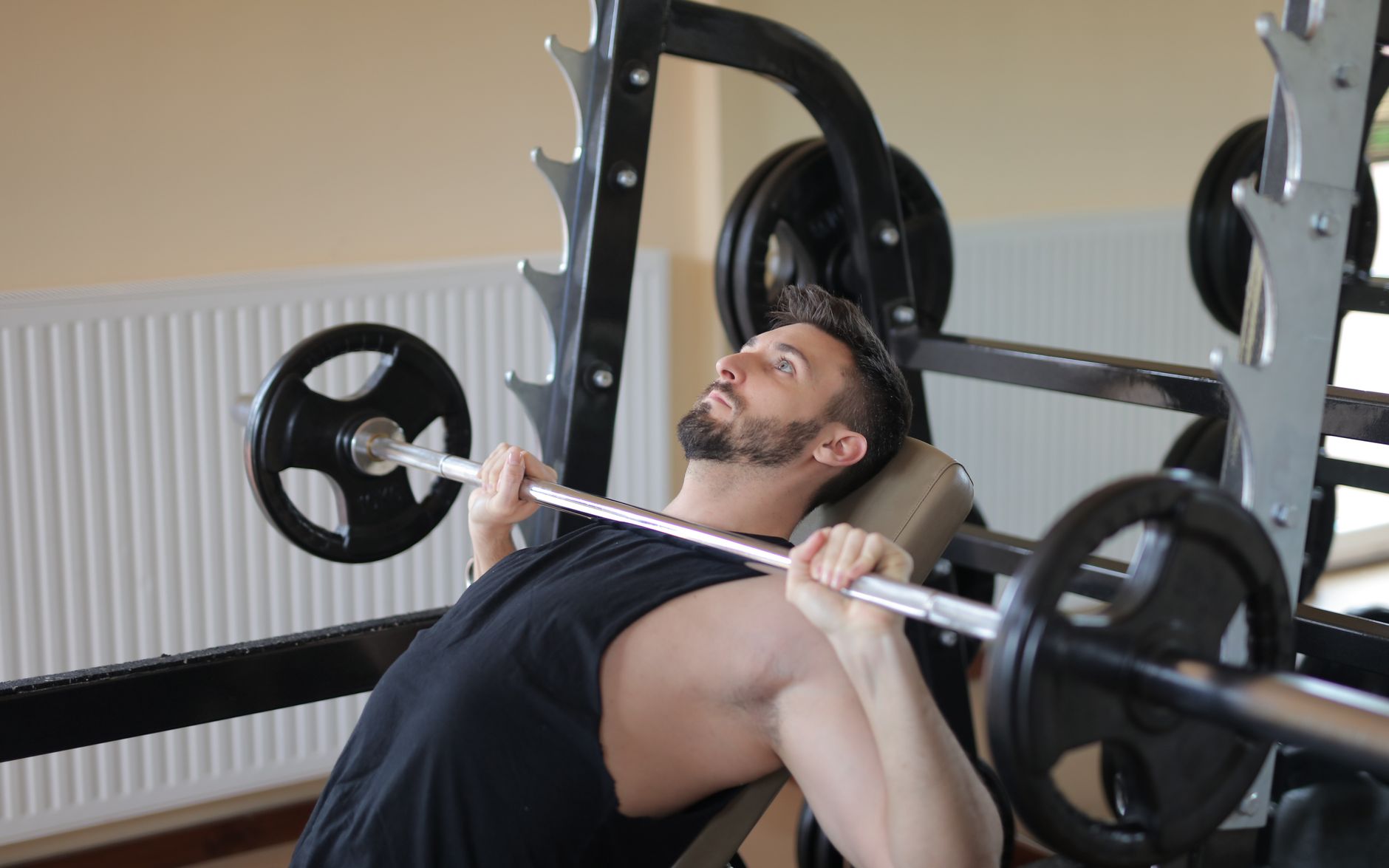
Feeling a bit weaker than you'd like? Whether it's struggling to lift those heavy grocery bags or just wanting to feel more robust in your daily life, building strength is a game-changer. It's not just about looking good; it's about living better, safer, and more independently. Think about it: getting out of bed in the morning, carrying your child, or even just opening a stubborn jar – these everyday tasks rely on your strength. In India, where active lifestyles and physical demands are common, maintaining good strength is paramount. This guide is your roadmap to unlocking your body's potential, no matter your age or current fitness level. We'll break down what strength really means, how quickly you can expect to see results, and the science-backed strategies to get you there. Forget the quick fixes; this is about sustainable, smart training that yields real, lasting gains. Let's get you stronger! What Exactly is Strength? Strength, in simple terms, is your body's ability to exert maximum force against resistance. It's that power you summon to move a heavy object, push yourself up, or hold a steady pose. It's different from muscle endurance, which is about repeating movements over time, or muscle size (hypertrophy), which is about increasing the volume of your muscles. While building muscle can contribute to strength, they aren't the same thing. Strength training specifically targets your nervous system and muscle fibers to produce more force. This ability is fundamental for everyday activities, preventing injuries, and maintaining overall health, especially as we age. A stronger body is a more resilient body. How Long Until I See Results? The Timeline for Strength Gains This is the million-dollar question, right? Patience is key here. While you might feel a difference in the first week or two – thanks to your brain getting smarter about how to recruit your muscles – significant, measurable strength gains typically take time. Scientific studies suggest it can take anywhere from 6 to 15 weeks before you notice substantial improvements in how much weight you can lift or how easily you perform certain exercises. This initial adaptation phase is often called the 'neurological' phase. Your brain learns to fire your muscles more efficiently. But don't get discouraged! This early progress is real and motivating. True, appreciable strength gains, where your muscles themselves adapt and become stronger, usually require a consistent program running for at least 8 to 12 weeks , and often longer. Factors like your training history, genetics, nutrition, sleep, and consistency all play a huge role. Think of it like building a sturdy house; it doesn't happen overnight, but with a solid plan and consistent effort, you build something that lasts. The Science of Getting Stronger: How to Train Effectively To build strength, you need to challenge your body. This means progressively lifting heavier weights or increasing the intensity of your workouts over time. Here’s how to do it: 1. Progressive Overload: The Golden Rule This is the most critical principle. To get stronger, you must continually increase the demand on your muscles. This doesn't always mean just lifting heavier weights. You can achieve progressive overload by: Increasing the weight: Gradually lift more than you did previously. Increasing repetitions: Do more reps with the same weight. Increasing sets: Add more sets to your exercise. Decreasing rest time: Shorten the rest periods between sets. Improving form: Performing the exercise with better technique allows you to lift more effectively. Increasing frequency: Train a muscle group more often per week. The goal is to consistently push your limits safely. 2. Reps, Sets, and Intensity: Finding the Sweet Spot For strength gains, the general recommendation is to lift loads that are 60% or more of your one-repetition maximum (1RM) . Your 1RM is the maximum weight you can lift for a single, complete repetition of an exercise. If you're more experienced, lifting around 80% of your 1RM might yield even better results. The magic number for repetitions per set, when focusing on strength, is typically between 1 and 8 repetitions . You should aim to reach muscle failure – the point where you can't perform another rep with good form – within this rep range. Research suggests performing 3 to 6 sets per exercise. This ensures you're lifting heavy enough and pushing your muscles to adapt. 3. Exercise Selection: Compound Movements are King Focus on compound exercises . These are movements that work multiple muscle groups and joints simultaneously. They are incredibly efficient for building overall strength. Think of exercises like: Squats (works legs, glutes, core) Deadlifts (works entire posterior chain, back, core, legs) Bench Press (works chest, shoulders, triceps) Overhead Press (works shoulders, triceps, upper chest) Rows (works back, biceps) Pull-ups/Chin-ups (works back, biceps) While isolation exercises (like bicep curls) have their place, compound lifts build the foundation of your strength. 4. Rest and Recovery: Where the Magic Happens Your muscles don't grow stronger *during* the workout; they rebuild and adapt *after* the workout, during rest. Adequate rest is non-negotiable. Between sets: For strength training, rest periods are typically longer, ranging from 2 to 5 minutes . This allows your nervous system and muscles to recover enough to lift heavy again. Between workouts: Allow at least 48 hours of rest for a specific muscle group before training it intensely again. Overtraining can lead to injury and hinder progress. Listen to your body! Fatigue is a signal. 5. Nutrition: Fueling Your Gains You can't build a strong house with poor materials. Similarly, you can't build strength without proper nutrition. Protein is paramount: Protein provides the building blocks for muscle repair and growth. Aim for a sufficient intake spread throughout the day. Good sources include dal, paneer, eggs, chicken, fish, and legumes. Carbohydrates for energy: Carbs are your primary fuel source for intense workouts. Choose complex carbs like whole grains, rice, roti, and starchy vegetables. Healthy Fats: Essential for hormone production and overall health. Include nuts, seeds, ghee, and healthy oils. Hydration: Drink plenty of water throughout the day. Dehydration can significantly impair performance. Putting It All Together: A Sample Approach Here’s a simplified way to structure your strength training: Frequency: Aim for 2-4 strength training sessions per week, ensuring you don't train the same major muscle groups on consecutive days. Workout Structure: Warm-up: 5-10 minutes of light cardio and dynamic stretching. Main Lifts: Focus on 2-3 compound exercises per session. Perform 3-5 sets of 3-8 repetitions for each. Accessory Lifts (Optional): Add 1-2 isolation exercises if desired, typically in a higher rep range (8-12 reps). Cool-down: 5-10 minutes of static stretching. Progression: Each week, try to slightly increase the weight, add a rep, or do an extra set on your main lifts. Prevention of Injuries Safety first! Building strength should never come at the cost of injury. Here’s how to stay safe: Master your form: Prioritize correct technique over lifting heavy weight. Watch videos, consider a session with a trainer, or ask experienced gym-goers for tips. Warm-up thoroughly: Prepare your body for the work ahead. Listen to your body: Don't push through sharp pain. Differentiate between muscle soreness and injury pain. Use spotters: When lifting heavy, especially on exercises like the bench press, have someone there to help if you fail a rep. Gradual progression: Avoid sudden jumps in weight or intensity. When to Consult a Doctor or Specialist? While building strength is generally safe and beneficial, you should consult a doctor or a qualified healthcare professional if you: Have any pre-existing medical conditions (heart problems, high blood pressure, joint issues, etc.). Experience persistent pain during or after exercise. Are recovering from an injury. Are unsure about the correct form or how to start safely. Notice any unusual symptoms like dizziness, chest pain, or shortness of breath during exertion. A physiotherapist or a certified strength coach can also provide personalized guidance. Frequently Asked Questions (FAQ) Q1: Can women build strength effectively? Absolutely! Women can and should build strength. Hormonal differences mean women might build muscle mass at a different rate than men, but the ability to increase strength is just as significant. Strength training offers immense benefits for women, including improved bone density, metabolism, and functional independence. Q2: Is it better to lift heavy for few reps or lighter for many reps for strength? For building maximal strength, lifting heavy weights for low repetitions (1-8 reps) is generally more effective. If your goal is muscle endurance, then higher repetitions with lighter weights are better. Our focus here is strength, so the heavy, low-rep approach is key. Q3: Do I need to go to a gym to build strength? Not necessarily! While gyms offer a wide variety of equipment, you can build significant strength using bodyweight exercises (like squats, push-ups, lunges), resistance bands, or even household items like water bottles or heavy books. The principle of progressive overload still applies. Q4: How important is sleep for strength gains? Extremely important! Sleep is when your body repairs muscle tissue and regulates hormones essential for recovery and growth. Aim for 7-9 hours of
In summary, timely diagnosis, evidence-based treatment, and prevention-focused care improve long-term health outcomes.
Visit Hospital
Near You

Learn essential dynamic and static stretches for your inner thighs to improve flexibility, prevent injuries, and reduce muscle tension. Perfect for Indian readers seeking practical advice.
April 1, 2026

Discover simple yet effective glute stretches to relieve tightness, reduce back pain, and improve your mobility. Learn how to perform them safely at home or at your desk.
April 1, 2026

Squats and leg presses are both excellent for leg day, but they differ in muscle engagement, benefits, and risks. Learn which one is best for your fitness goals.
April 1, 2026