

Emergency & Help
24/7 Emergency & General Advisory
🚨 24/7 Medical Emergency
Non-Emergency Advisory
10:00 AM – 6:00 PM, Mon–Sat
For appointments & general queries.
24/7 Emergency & General Advisory
🚨 24/7 Medical Emergency
Non-Emergency Advisory
10:00 AM – 6:00 PM, Mon–Sat
For appointments & general queries.
Prepare for your 100-mile cycling challenge! This guide covers training plans, essential gear, nutrition, hydration, and day-of strategies to help you conquer your century ride.
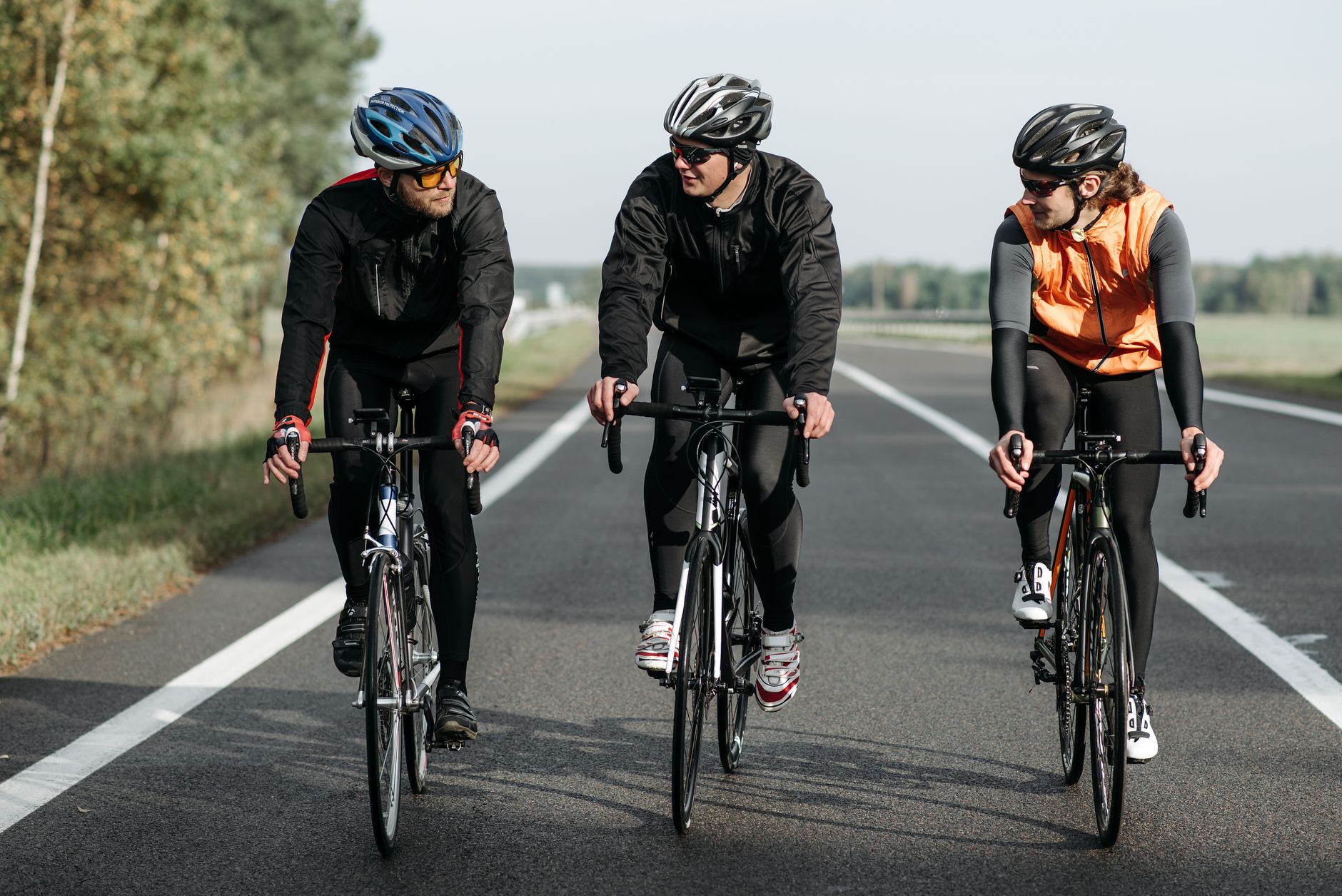
A century ride, a bicycle journey spanning 100 miles, is a significant accomplishment for any cyclist, akin to a marathon for a runner. It represents a formidable challenge, yet it is an achievable goal for those who dedicate themselves to training and preparation. This guide is designed to equip you with the knowledge and strategies needed to optimize your performance and enjoy the experience of completing a century ride. We will delve into the crucial aspects of preparation in the weeks leading up to the event, how to manage your day of the ride, and the essential dietary strategies to fuel your endurance.
The most valuable asset in preparing for a century ride is time. Even if you possess a solid base level of fitness, a 16-week training plan is generally considered a reasonable timeframe. If your current endurance levels are lower, extending this period to six months might be more beneficial. Before embarking on a dedicated cycling program, it is advisable to spend a couple of months building general endurance through a variety of physical activities.
The right equipment can make a significant difference in your comfort and performance. Consider the following:
Proper fueling is critical for sustained energy during a century ride. The general guidelines are as follows:
For shorter rides or endurance workouts lasting less than 90 minutes, additional calories or carbohydrates are typically not necessary. Hydration with water is usually sufficient. In extreme conditions, such as high heat, a low- or no-calorie electrolyte drink can be beneficial.
As your ride duration increases, so does your need for fuel. Experimentation is key to finding what works best for your body. Start with the lower end of recommendations and adjust as needed.
For rides exceeding 2.5 hours, aim to consume 60–70 grams of carbohydrates per hour. If this seems like a lot of food, opt for calorie-dense options to minimize the need for constant eating.
Research suggests that incorporating protein into your fueling plan for rides longer than 2.5 hours can enhance performance and aid in recovery.
In the hours leading up to your century ride, focus on a carbohydrate-rich breakfast. Good options include smoothies, bagels, bananas, or raisin bread. Avoid foods that might upset your stomach or slow digestion.
Preparation is paramount for an event of this magnitude. A structured training plan will help you build the necessary endurance and strength.
Your training should gradually increase in distance and intensity. Incorporate longer rides on weekends to simulate the demands of a century ride. Include interval training and hill repeats to improve speed and climbing ability.
Stick to your training schedule as much as possible. Rest and recovery are just as important as the workouts themselves. Listen to your body and don't push through excessive pain.
Use your training rides to experiment with different foods and drinks to determine what sits well with your stomach and provides sustained energy. This is also the time to practice your hydration strategy.
The day of your century ride requires careful planning and execution.
After completing the century ride, focus on refueling and rehydrating. Consume a meal that includes carbohydrates and protein to aid muscle repair. Gentle stretching can also be beneficial.
While preparing for a century ride, it's always wise to consult with your doctor, especially if you have any pre-existing health conditions or haven't engaged in strenuous physical activity for a prolonged period. They can provide personalized advice and ensure you are fit for such an undertaking.
A: A 16-week training plan is generally recommended for individuals with a good base fitness. If you are new to endurance cycling, a longer plan of up to six months may be more appropriate. Consistency and gradual progression are key.
A: Focus on easily digestible carbohydrates. Options include energy gels, chews, sports drinks, peanut butter and jelly sandwiches, dried fruits, and small boiled potatoes. Experiment during training to find what works best for you.
A: Yes, many cyclists prefer clipless pedals for century rides as they can improve pedaling efficiency. However, ensure you are comfortable and proficient with them before the event, as they can be challenging for beginners.
A: 'The bonk' refers to severe fatigue due to depleted glycogen stores. If you experience this, stop, rest, and consume easily digestible carbohydrates and fluids. It's a sign that your fueling strategy needs adjustment for future rides.
A: Hydration is critically important. Dehydration can significantly impair performance and lead to heat-related illnesses. Drink water and electrolyte beverages regularly throughout the ride, even if you don't feel thirsty.
Visit Hospital
Near You

Learn essential dynamic and static stretches for your inner thighs to improve flexibility, prevent injuries, and reduce muscle tension. Perfect for Indian readers seeking practical advice.
April 1, 2026

Discover simple yet effective glute stretches to relieve tightness, reduce back pain, and improve your mobility. Learn how to perform them safely at home or at your desk.
April 1, 2026

Squats and leg presses are both excellent for leg day, but they differ in muscle engagement, benefits, and risks. Learn which one is best for your fitness goals.
April 1, 2026