

Emergency & Help
24/7 Emergency & General Advisory
🚨 24/7 Medical Emergency
Non-Emergency Advisory
10:00 AM – 6:00 PM, Mon–Sat
For appointments & general queries.
24/7 Emergency & General Advisory
🚨 24/7 Medical Emergency
Non-Emergency Advisory
10:00 AM – 6:00 PM, Mon–Sat
For appointments & general queries.
Discover how CrossFit can impact your pelvic floor muscles. Learn about dysfunction, symptoms, and strategies for maintaining pelvic health while staying fit.
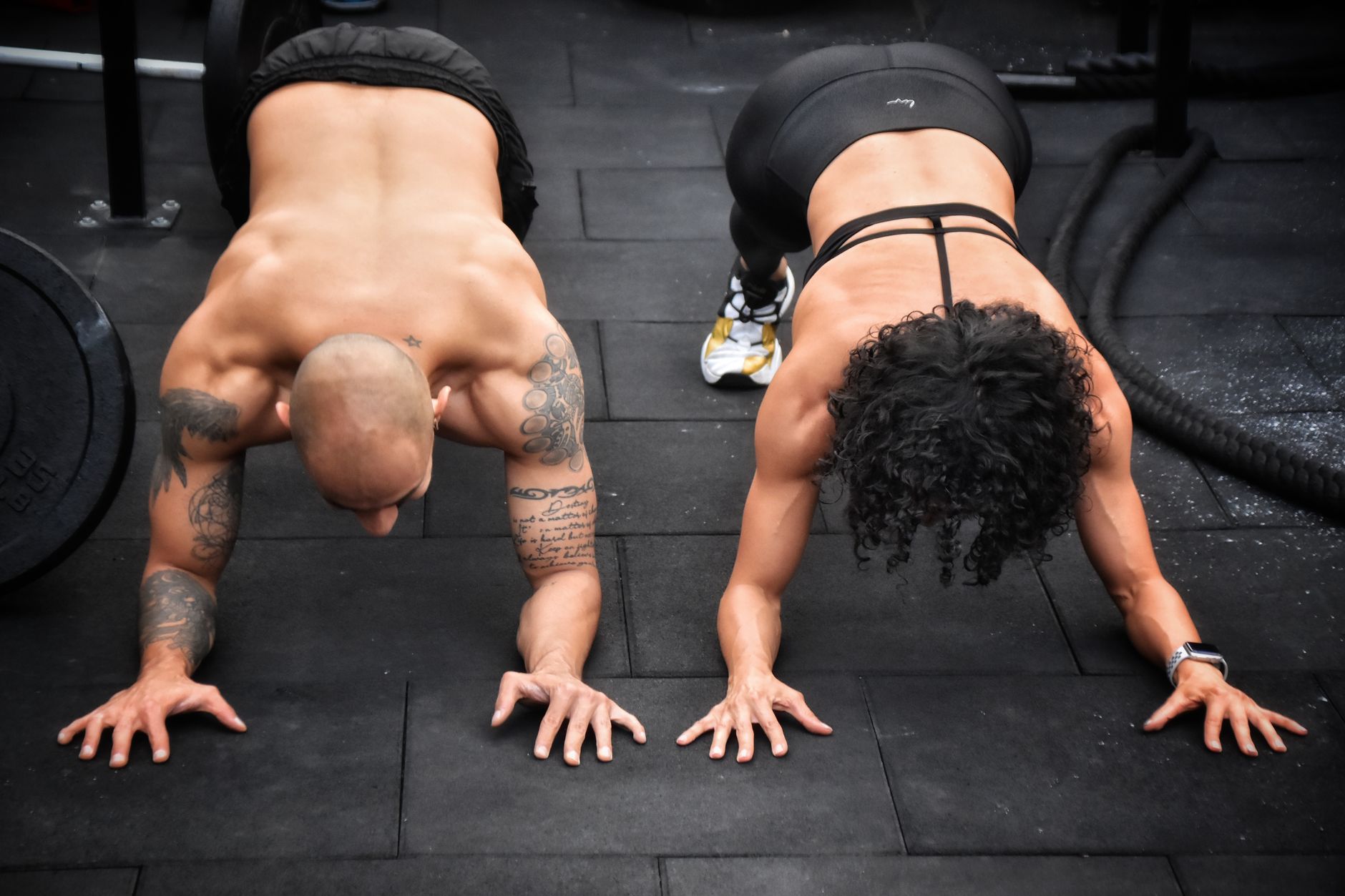
CrossFit, known for its intense and functional movements, pushes the human body to its limits. While it builds incredible strength and endurance, have you ever considered how these powerful workouts might affect your pelvic floor? Many athletes, both professional and amateur, might not realize the connection. This guide will break down what your pelvic floor is, its crucial roles, and how activities like CrossFit can impact its function. We'll explore the signs of dysfunction, potential causes, and most importantly, how to maintain a healthy pelvic floor, even with a demanding fitness routine.
Think of your pelvic floor muscles as a supportive hammock or sling stretching across the base of your pelvis. These muscles are vital for several key bodily functions. They help support your pelvic organs, including your bladder, uterus (in women), and rectum. They also play a critical role in controlling urination and bowel movements, ensuring these happen when you intend them to. Beyond these essential functions, the pelvic floor contributes to sexual pleasure and function, and it helps circulate blood in the pelvic region.
Like any muscle group, your pelvic floor needs to be in a state of balance. It shouldn't be too weak, nor should it be constantly tense or overactive. When this balance is disrupted, it's known as pelvic floor dysfunction. This condition can affect individuals of all genders and anatomical structures, as everyone possesses a pelvic floor.
It might surprise you to learn that many people who believe they have a weak pelvic floor actually have an overactive one. This condition, also called pelvic floor muscle tension or non-relaxing pelvic floor muscles, means the muscles are constantly contracted and struggle to relax. This can happen subconsciously, influenced by factors like your upbringing, past experiences (both positive and negative), and even your beliefs about your body and pelvic floor health.
Unlike other muscles, you can't simply pick up a weight to strengthen or consciously relax your pelvic floor. Addressing overactivity often requires looking deeper into underlying psychosocial factors that might be causing these unconscious muscle responses. For instance, someone who grew up in a household where bathroom needs were discouraged might develop a subconscious habit of clenching their pelvic floor muscles.
Pelvic floor weakness is another form of dysfunction. This can arise from various causes, including aging, childbirth, surgery (like prostate or uterine cancer treatment), or chronic straining from conditions like constipation. When these muscles lose their tone and strength, they may not be able to perform their supportive and control functions effectively.
CrossFit involves high-intensity movements like heavy lifting, jumping, and explosive exercises. These activities create significant intra-abdominal pressure. When you perform a powerful squat or lift a heavy weight, the pressure inside your abdomen increases, pushing downwards on your pelvic floor. If the pelvic floor muscles are not adequately conditioned to manage this pressure, or if there's an underlying issue of weakness or overactivity, it can exacerbate dysfunction.
For example, imagine someone new to CrossFit attempting a heavy deadlift. If their pelvic floor muscles are already weak or cannot coordinate a proper contraction to counteract the downward force, they might experience leakage or feel increased pressure. Similarly, someone with a habitually tense pelvic floor might find that the exertion of CrossFit further tightens these muscles, leading to pain or discomfort.
The symptoms of pelvic floor weakness and overactivity can often overlap, making them tricky to distinguish without professional assessment. However, common signs to watch out for include:
If you're experiencing any of these symptoms, especially if you're active in demanding sports like CrossFit, it's essential to consult a healthcare professional. A pelvic floor specialist, such as a physiotherapist with expertise in this area, can perform a thorough assessment. They can determine whether your issue is one of weakness, overactivity, or a combination of factors. Early diagnosis and intervention are key to managing and resolving pelvic floor dysfunction effectively.
Regardless of whether you're a CrossFit enthusiast or just starting your fitness journey, you can take steps to support your pelvic floor:
Consider Priya, a 30-year-old who loves her CrossFit classes. Lately, she's noticed a slight urine leakage when she does box jumps and a persistent ache in her lower back after heavy lifting sessions. She initially dismissed it as part of intense training but is now wondering if it's related to her pelvic floor. Priya decides to book an appointment with a women's health physiotherapist to understand what's happening and get advice on modifying her training safely.
Absolutely. Pelvic floor dysfunction affects people of all genders. Men can experience issues related to urinary control, bowel function, and sexual health due to pelvic floor problems.
Kegels are exercises designed to strengthen the pelvic floor muscles (contraction). Pelvic floor relaxation is the opposite: learning to release tension and allow the muscles to lengthen and rest. Both are important, but the emphasis depends on whether the dysfunction is weakness or overactivity.
Recovery time varies greatly depending on the individual, the severity of the dysfunction, and adherence to treatment. It can range from a few weeks to several months. Consistency with recommended exercises and lifestyle adjustments is key.
Maintaining a strong and balanced pelvic floor is essential for overall health and athletic performance. By understanding how activities like CrossFit can influence it and by taking proactive steps, you can continue to enjoy your fitness journey while prioritizing your well-being.
Visit Hospital
Near You

Learn essential dynamic and static stretches for your inner thighs to improve flexibility, prevent injuries, and reduce muscle tension. Perfect for Indian readers seeking practical advice.
April 1, 2026

Discover simple yet effective glute stretches to relieve tightness, reduce back pain, and improve your mobility. Learn how to perform them safely at home or at your desk.
April 1, 2026

Squats and leg presses are both excellent for leg day, but they differ in muscle engagement, benefits, and risks. Learn which one is best for your fitness goals.
April 1, 2026