

Emergency & Help
24/7 Emergency & General Advisory
🚨 24/7 Medical Emergency
Non-Emergency Advisory
10:00 AM – 6:00 PM, Mon–Sat
For appointments & general queries.
24/7 Emergency & General Advisory
🚨 24/7 Medical Emergency
Non-Emergency Advisory
10:00 AM – 6:00 PM, Mon–Sat
For appointments & general queries.
Discover the benefits of curtsy lunges for building lower body strength, enhancing stability, and engaging often-underutilized muscles. Learn proper form, common mistakes, and how to add them to your workout.
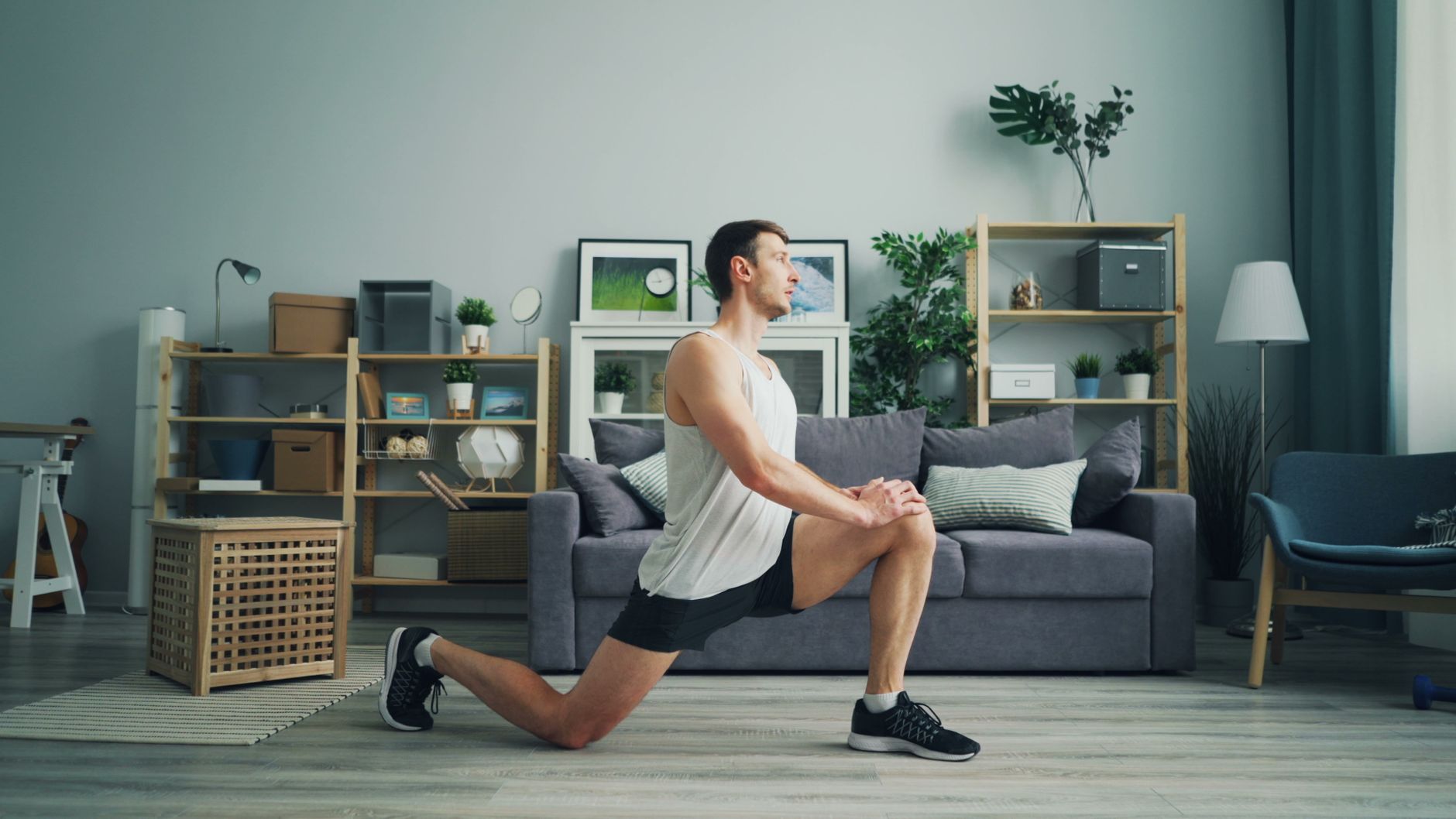
While squats and traditional lunges often steal the spotlight on leg day, there's a less common but incredibly effective exercise that deserves a place in your routine: the curtsy lunge. This movement targets key leg muscles like your quadriceps and glutes, but it also engages others that often get overlooked in more standard exercises. It’s a fantastic way to build overall lower body strength, improve stability, and add variety to your fitness regimen.
Many people focus on the big compound movements, and rightly so. Squats and deadlifts are king for a reason. However, neglecting exercises that hit accessory muscles can lead to imbalances and plateaus. The curtsy lunge is one such exercise that fills a crucial gap. It particularly strengthens the gluteus medius, a muscle vital for hip stability, which is often underactive in many individuals. This can lead to better posture, reduced risk of injury, and improved athletic performance.
Imagine you’re preparing for a trek in the Himalayas. You need strong legs, yes, but you also need the stability to navigate uneven terrain. A simple squat might build power, but the curtsy lunge hones the smaller, stabilizing muscles that keep you upright and prevent you from toppling over on a tricky path. It’s this kind of functional strength that makes the curtsy lunge so valuable.
The beauty of the curtsy lunge lies in its ability to activate muscles in a unique pattern. Unlike a standard lunge where your leg moves straight back, the curtsy lunge involves stepping back and diagonally. This specific motion:
Getting the form right is key to reaping the benefits and avoiding injury. Here’s how to perform a basic bodyweight curtsy lunge:
Even with a seemingly simple exercise, form breakdowns can occur. Be mindful of these common pitfalls:
You have flexibility in how you incorporate curtsy lunges:
As a starting point, aim for 3 sets of 10–12 repetitions on each leg. Focus on mastering the bodyweight form first.
Once you can comfortably perform bodyweight curtsy lunges with perfect form for 10-12 reps, it’s time to consider adding resistance:
Remember, as you add weight, your form is paramount. If your torso starts to fall forward or your stability wavers, reduce the weight and focus on control.
While curtsy lunges are generally safe and beneficial, it’s wise to seek professional advice if you:
A doctor or a qualified physical therapist can assess your individual needs, provide modifications, and ensure you’re performing the exercise safely and effectively.
Yes, curtsy lunges can be beginner-friendly, especially when performed with just body weight. They help build foundational strength and stability. However, beginners should focus intently on learning the correct form to avoid potential strain.
Curtsy lunges primarily work the quadriceps, glutes (including the gluteus medius), and hamstrings. They also engage the hip adductors (inner thighs) and improve core stability.
For some individuals, strengthening the gluteus medius and improving hip stability through curtsy lunges can help alleviate certain types of hip pain, particularly those related to weak hip abductors. However, if you have hip pain, it's essential to consult a healthcare professional before starting any new exercise.
A good starting point is 3 sets of 10-12 repetitions on each leg. Listen to your body and adjust based on your fitness level. Gradually increase reps, sets, or weight as you get stronger.
Visit Hospital
Near You

Learn essential dynamic and static stretches for your inner thighs to improve flexibility, prevent injuries, and reduce muscle tension. Perfect for Indian readers seeking practical advice.
April 1, 2026

Discover simple yet effective glute stretches to relieve tightness, reduce back pain, and improve your mobility. Learn how to perform them safely at home or at your desk.
April 1, 2026

Squats and leg presses are both excellent for leg day, but they differ in muscle engagement, benefits, and risks. Learn which one is best for your fitness goals.
April 1, 2026