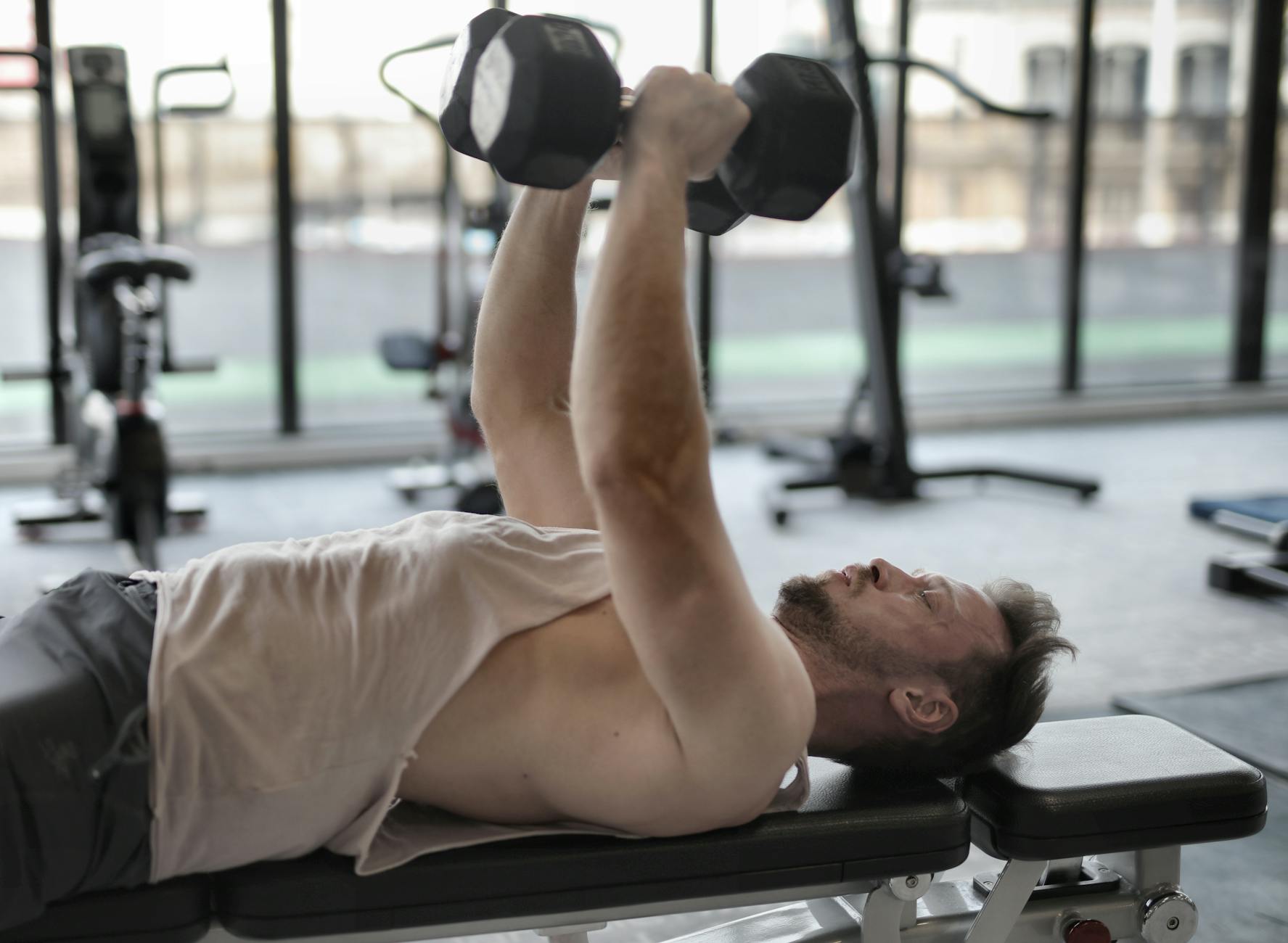
The dumbbell chest fly is a popular and effective exercise for targeting the pectoral muscles, also known as the chest muscles. It's a great way to build strength, improve muscle definition, and enhance overall upper body aesthetics. This exercise is versatile and can be performed on a flat bench, an incline bench, or even on the floor, allowing for variations that target different parts of the chest. In this comprehensive guide, we'll delve into the proper technique, benefits, variations, and important considerations for performing the dumbbell chest fly safely and effectively, especially for our readers in India. Understanding the Anatomy of the Chest Before we dive into the exercise itself, it's helpful to understand the muscles involved. The primary muscle targeted by the chest fly is the pectoralis major . This large, fan-shaped muscle is responsible for a variety of movements, including bringing the arms across the body (adduction) and rotating the arm inward. The chest fly specifically emphasizes the adduction movement. Assisting muscles, or synergists, include the anterior deltoids (front of the shoulders) and the triceps brachii (back of the upper arm). Benefits of the Dumbbell Chest Fly Incorporating dumbbell chest flies into your workout routine can yield several significant benefits: Muscle Hypertrophy (Growth): The chest fly is an excellent isolation exercise that can stimulate muscle growth in the pectorals, leading to a fuller, more developed chest. Improved Chest Strength: By strengthening the pectoral muscles, you enhance your ability to perform pushing movements, which are crucial in many sports and daily activities. Enhanced Shoulder Stability: When performed correctly, the chest fly can help strengthen the muscles surrounding the shoulder joint, contributing to better stability and reducing the risk of injury. Increased Range of Motion: The exercise allows for a deep stretch at the bottom of the movement, which can help improve the flexibility and range of motion in the shoulder joint. Muscle Definition: For those looking to achieve a more defined chest appearance, the chest fly can help sculpt and shape the pectoral muscles. Versatility: As mentioned, this exercise can be modified to target different areas of the chest and can be done with minimal equipment. How to Perform the Dumbbell Chest Fly: Step-by-Step Proper form is paramount to maximize benefits and prevent injuries. Here’s a detailed breakdown of how to perform a standard dumbbell chest fly on a flat bench: Setup: Lie flat on a weight bench with your feet firmly planted on the floor. Hold a dumbbell in each hand. Position the dumbbells above your chest with your palms facing each other (neutral grip) or facing your feet (pronated grip). Your arms should be slightly bent at the elbows, and this bend should be maintained throughout the movement. Think of it as a soft, constant bend, not a deep flexion. Starting Position: Extend your arms straight up towards the ceiling, directly over your chest. The dumbbells should be close enough that they almost touch, but don't let them bang together. The Descent (Eccentric Phase): Slowly lower the dumbbells out to your sides in a wide, arcing motion. Maintain the slight bend in your elbows. Continue lowering until you feel a comfortable stretch in your chest muscles. Ensure your elbows don't drop below the level of the bench. Your arms should be roughly parallel to the floor at the bottom of the movement. The Ascent (Concentric Phase): Squeeze your chest muscles to bring the dumbbells back up in the same arcing motion, returning to the starting position directly over your chest. Focus on contracting your pecs rather than just pushing the weights up. Breathing: Inhale as you lower the dumbbells and exhale as you bring them back up. Repetitions: Perform the desired number of repetitions for your workout set. Important Technique Tips: Maintain Elbow Bend: The slight bend in your elbows should remain constant. Avoid straightening your arms completely or bending them excessively. Control the Movement: Perform the exercise in a controlled manner, both on the way down and on the way up. Avoid using momentum. Focus on Chest Contraction: Concentrate on squeezing your chest muscles at the peak of the movement. Shoulder Placement: Keep your shoulders pressed down and back against the bench. Avoid shrugging your shoulders. Foot Placement: Keep your feet flat on the floor for stability. Variations of the Dumbbell Chest Fly Once you've mastered the basic flat bench dumbbell fly, you can explore variations to challenge your muscles in different ways: 1. Incline Dumbbell Chest Fly How to do it: Set an adjustable bench to an incline of 30-45 degrees. Perform the chest fly as described above. This variation places more emphasis on the upper chest (clavicular head of the pectoralis major). 2. Decline Dumbbell Chest Fly How to do it: Lie on a decline bench. This variation targets the lower chest (sternal head of the pectoralis major) more effectively. Be cautious with this variation, as it can place more stress on the shoulders. 3. Floor Dumbbell Chest Fly How to do it: Lie on the floor with your knees bent and feet flat. Hold dumbbells and perform the fly. The floor acts as a natural stopper, preventing you from lowering the weights too far and potentially overstretching your shoulders. This is a good option if you don't have access to a bench or want a safer alternative. 4. Single-Arm Dumbbell Chest Fly How to do it: Perform the fly with one arm at a time, supporting your body with the other arm and leg (if on a bench) or by keeping your core engaged (if on the floor). This variation can help address muscle imbalances. Choosing the Right Weight Selecting the appropriate weight is crucial for both effectiveness and safety. You should be able to complete your target number of repetitions with good form. If you find yourself struggling to maintain form or using momentum, the weight is too heavy. Conversely, if the exercise feels too easy and you can easily exceed your rep range, you may need to increase the weight. For chest flies, it's often better to use a slightly lighter weight and focus on the mind-muscle connection and the stretch in your chest. Common Mistakes to Avoid Even experienced lifters can fall into bad habits. Here are some common mistakes to watch out for: Excessive Elbow Bend or Straightening: This can put undue stress on your elbows and shoulders. Dropping Shoulders: Allowing your shoulders to rise towards your ears can lead to impingement and injury. Using Momentum: Swinging the weights up rather than controlling the movement with your chest muscles. Overstretching: Lowering the weights too far, which can strain your shoulder joint. Ignoring Pain: Pushing through sharp or persistent pain is a recipe for injury. When to Consult a Doctor or Physiotherapist While the dumbbell chest fly is generally safe when performed correctly, it's important to listen to your body. You should consult a doctor or a qualified physiotherapist if you experience any of the following: Sharp or persistent pain in your chest, shoulders, or elbows during or after the exercise. Limited range of motion in your shoulder joint that doesn't improve with stretching. Any pre-existing shoulder or chest conditions that might be aggravated by this exercise. Uncertainty about proper form or how to modify the exercise for your specific needs. A healthcare professional can assess your condition, provide personalized advice, and guide you on safe exercise practices. Frequently Asked Questions (FAQ) Q1: How many reps and sets should I do for dumbbell chest flies? A: For muscle growth (hypertrophy), aim for 3-4 sets of 8-12 repetitions. For endurance, you might do more reps (12-15) with lighter weight. Always prioritize form over quantity. Q2: Can I do dumbbell chest flies without a bench? A: Yes, you can perform floor dumbbell chest flies. This variation limits your range of motion, making it a safer option for beginners or those with shoulder issues. Q3: What's the difference between dumbbell chest flies and dumbbell presses? A: Presses (like bench press) are compound movements that involve pushing the weight away from your body, engaging multiple muscle groups including the chest, shoulders, and triceps. Flies are isolation exercises that focus primarily on the chest's adduction movement, stretching the pecs more effectively. Q4: Is it okay to feel a stretch in my shoulders during chest flies? A: A mild stretch in the chest and front of the shoulders is normal. However, if you feel sharp pain or excessive strain in your shoulders, you might be lowering the weights too far, using too much weight, or have an underlying shoulder issue. Adjust your form or consult a professional. Q5: How often should I do dumbbell chest flies? A: Include chest flies in your upper body or chest workout routine 1-2 times per week, allowing at least 48 hours of rest for your chest muscles between intense workouts. Conclusion The dumbbell chest fly is a valuable exercise for anyone looking to strengthen and develop their chest muscles. By understanding the proper technique, exploring variations, and being mindful of
In summary, timely diagnosis, evidence-based treatment, and prevention-focused care improve long-term health outcomes.