

Emergency & Help
24/7 Emergency & General Advisory
🚨 24/7 Medical Emergency
Non-Emergency Advisory
10:00 AM – 6:00 PM, Mon–Sat
For appointments & general queries.
24/7 Emergency & General Advisory
🚨 24/7 Medical Emergency
Non-Emergency Advisory
10:00 AM – 6:00 PM, Mon–Sat
For appointments & general queries.
Discover the power of hammer curls for building bigger, stronger arms. Learn proper form, benefits, and variations for effective arm training.
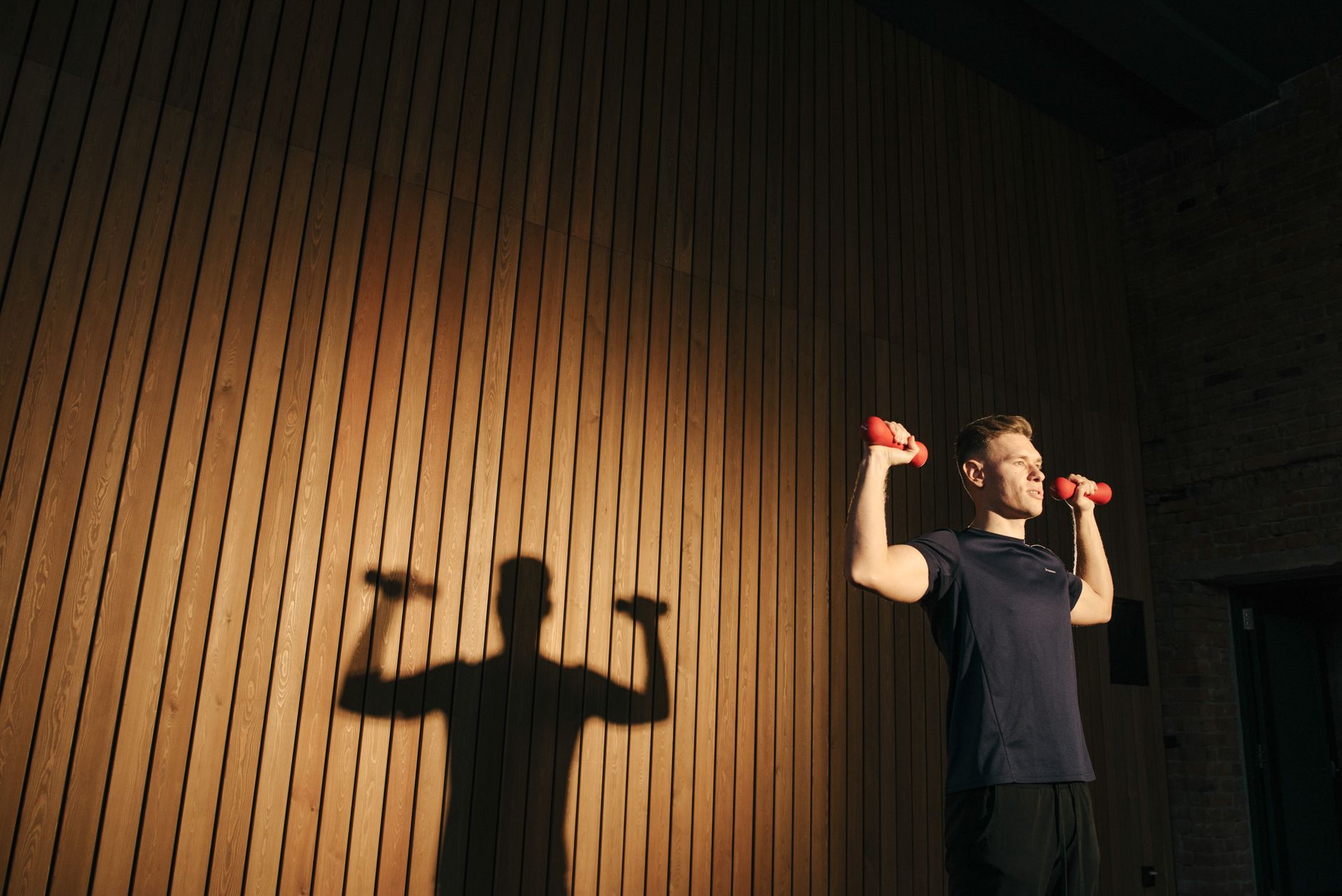
Are you looking to add some serious size and strength to your arms? While many people focus solely on traditional biceps curls, there's another fantastic exercise that can significantly boost your arm development: the hammer curl. This deceptively simple movement targets your biceps in a unique way, potentially leading to more overall arm girth and improved strength. Let's explore how to perform hammer curls correctly, their benefits, and variations you can incorporate into your workout routine.
Hammer curls are a type of biceps curl performed with a neutral grip, meaning your palms face each other throughout the entire movement. Imagine you're holding a hammer – hence the name! This contrasts with the traditional biceps curl, where your palms face upwards (a supinated grip).
This subtle difference in grip has a significant impact on muscle activation. While traditional curls primarily target the long head of the biceps brachii, hammer curls engage more of the brachialis and brachioradialis muscles. These muscles lie beneath and alongside the biceps, respectively, and contribute significantly to the overall thickness and size of your upper arm and forearm.
When you perform a hammer curl, you're working a group of muscles collectively known as the elbow flexors. These are the muscles responsible for bending your elbow, bringing your hand closer to your shoulder. The primary muscles involved are:
Why should you add hammer curls to your arm training? The benefits are numerous:
Mastering the proper form is essential to maximize benefits and prevent injuries. Here’s how to perform the standard dumbbell hammer curl:
Once you've mastered the basic dumbbell hammer curl, you can explore variations to challenge your muscles in new ways:
Perform the curl one arm at a time, alternating between arms. This allows for greater focus on each limb and can help correct muscle imbalances.
Performing the exercise seated removes the stability challenge of standing, allowing you to focus purely on the muscle contraction. Sit on a bench or chair with a dumbbell in each hand, following the same curling motion.
Set an adjustable bench to a 30-45 degree incline. Lie back with a dumbbell in each hand, letting them hang. Perform the hammer curl motion. This variation increases the stretch on the biceps at the bottom of the movement.
Using a cable machine with a rope attachment or a straight bar attachment provides constant tension throughout the entire range of motion, which can be very effective for muscle growth.
You can perform hammer curls with a barbell, particularly an EZ-curl bar which offers a more comfortable grip. Hold the bar with a shoulder-width, neutral grip.
While hammer curls are generally safe, it's important to listen to your body. If you experience any sharp or persistent pain in your elbows, wrists, or shoulders, stop the exercise immediately. The neutral grip can be beneficial for some shoulder issues, but it's not a universal fix.
If you have a history of shoulder impingement, tendonitis, or other joint issues, it's always best to consult with a doctor or a qualified physical therapist before attempting new exercises. They can assess your condition and provide personalized guidance on whether hammer curls are appropriate for you and how to perform them safely.
Yes! While they also work the brachialis and brachioradialis, hammer curls effectively stimulate the biceps brachii, contributing to overall arm size and thickness. The neutral grip often allows for lifting heavier weights, which can further enhance muscle growth.
Neither is definitively
Overall, early action and medically verified advice remain the safest approach.
Visit Hospital
Near You

Learn essential dynamic and static stretches for your inner thighs to improve flexibility, prevent injuries, and reduce muscle tension. Perfect for Indian readers seeking practical advice.
April 1, 2026

Discover simple yet effective glute stretches to relieve tightness, reduce back pain, and improve your mobility. Learn how to perform them safely at home or at your desk.
April 1, 2026

Squats and leg presses are both excellent for leg day, but they differ in muscle engagement, benefits, and risks. Learn which one is best for your fitness goals.
April 1, 2026