

Emergency & Help
24/7 Emergency & General Advisory
🚨 24/7 Medical Emergency
Non-Emergency Advisory
10:00 AM – 6:00 PM, Mon–Sat
For appointments & general queries.
24/7 Emergency & General Advisory
🚨 24/7 Medical Emergency
Non-Emergency Advisory
10:00 AM – 6:00 PM, Mon–Sat
For appointments & general queries.
Discover the simple yet powerful Happy Baby Pose (Ananda Balasana). Learn how to do this gentle yoga posture to relieve hip and back tension, improve flexibility, and find deep relaxation. Perfect for beginners!
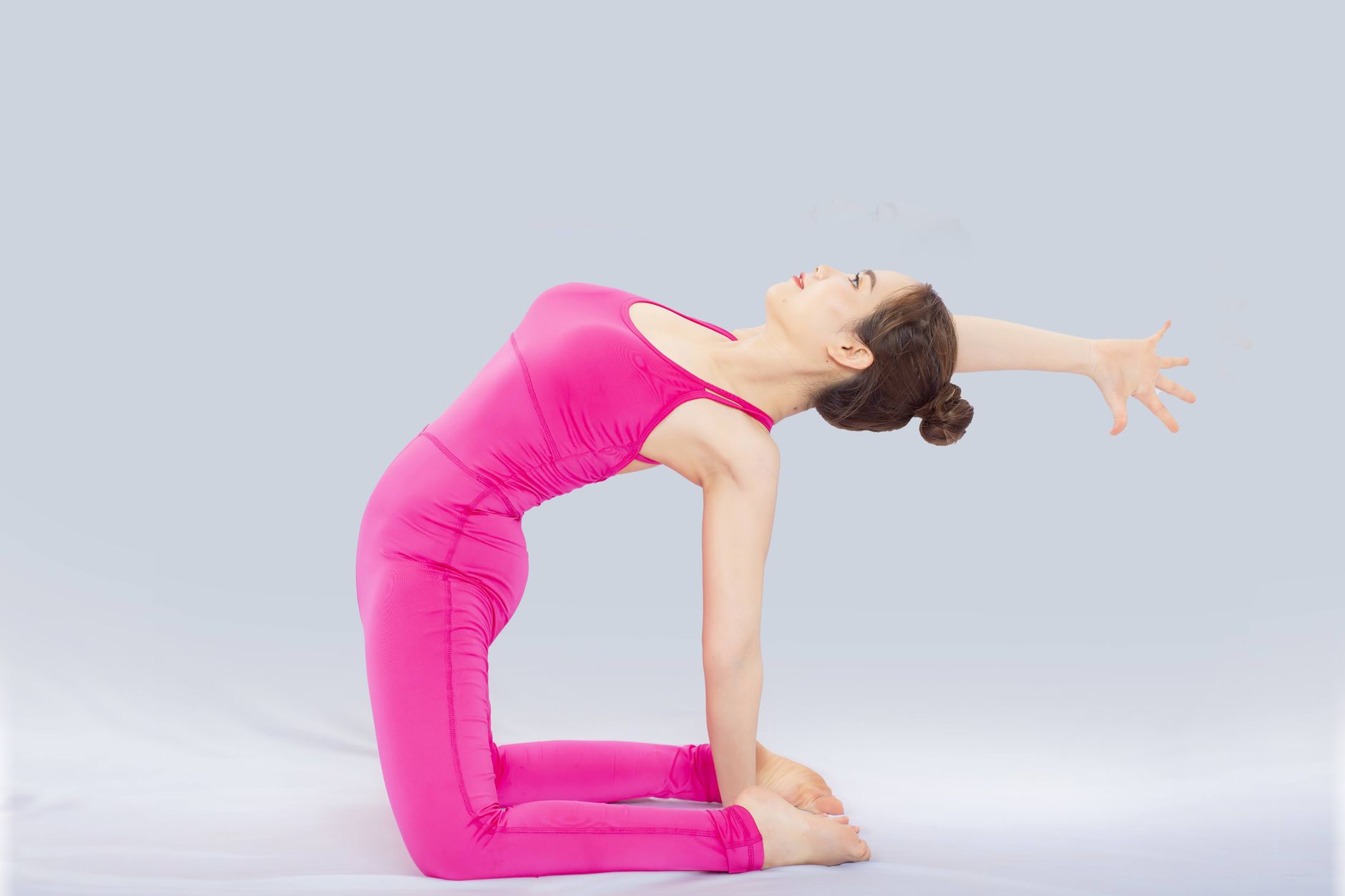
In the hustle and bustle of daily life, finding moments of calm and physical release can feel like a luxury. Yoga offers a sanctuary, and within its vast repertoire of poses, the Happy Baby Pose, or Ananda Balasana, stands out for its simplicity and profound benefits. This gentle posture, aptly named, invites a sense of childlike joy and deep relaxation. It's a pose that even beginners can embrace, offering a welcoming entry point into the world of yoga and mindful movement. Let's explore how this seemingly simple pose can unlock significant physical and emotional well-being for you.
The name Ananda Balasana itself tells a story. In Sanskrit, 'Ananda' means 'happy,' 'Bal' means 'child or baby,' and 'Asana' means 'pose.' Together, they form 'happy baby pose.' The image is clear: a baby lying on its back, knees drawn up towards its chest, perhaps kicking its feet playfully. This pose mimics that natural, relaxed state, and just as it can soothe a fussy infant, it aims to bring a similar sense of peace and contentment to adults.
This pose is a staple in many yoga and Pilates routines, often placed at the beginning or end of a session. Its gentle nature makes it accessible, and its calming effects prepare the body and mind for deeper practice or help wind down afterwards. It's not just about stretching; it's about creating a space for stillness and self-awareness.
Consider Priya, a busy working mother of two. She often felt a persistent ache in her lower back and hips from long hours at her desk. She tried stretching, but nothing seemed to provide lasting relief. One evening, her yoga instructor introduced the Happy Baby Pose. Priya was skeptical at first, but as she settled into the pose, she felt a gentle opening in her hips and a release of tension in her lower back. She found herself breathing deeper, and for the first time in weeks, her back felt lighter and more comfortable.
Practicing the Happy Baby Pose is straightforward, but paying attention to alignment ensures you reap the maximum benefits safely. Remember, the goal is gentle stretching, not forcing your body into a position.
Not everyone can comfortably reach their feet or maintain certain positions. Here are some ways to adapt the Happy Baby Pose:
The Happy Baby Pose offers a range of benefits, addressing both physical tension and emotional well-being:
While generally safe and beneficial, certain individuals should avoid or modify the Happy Baby Pose:
If you experience persistent pain in your hips, back, or any other part of your body, or if you have an existing medical condition, it's always wise to consult with a doctor or a qualified physiotherapist before starting any new exercise program. They can assess your specific needs and recommend appropriate modifications or alternative exercises.
Some practitioners find that the gentle compression and massage of the abdominal organs in the Happy Baby Pose can aid digestion and relieve bloating. However, this is a subjective benefit and not a primary therapeutic outcome. If you have significant digestive issues, consult a healthcare provider.
The Happy Baby Pose can help relieve sciatica symptoms for some individuals by gently stretching the piriformis muscle and releasing tension in the hips and lower back, which can contribute to sciatica. However, if the sciatica is caused by a disc issue or other serious condition, this pose might aggravate it. Always listen to your body and consult a doctor or physical therapist if you have sciatica.
For most people, holding the pose for 5-10 deep breaths, or about 30 seconds to a minute, is sufficient. Focus on the quality of your breath and the sensations in your body rather than the duration. You can repeat the pose if it feels good.
It's suitable for most people looking for a gentle stretch and relaxation. However, as mentioned, individuals with specific injuries or during pregnancy should exercise caution or avoid it. Always prioritize safety and listen to your body's signals.
Visit Hospital
Near You

Learn essential dynamic and static stretches for your inner thighs to improve flexibility, prevent injuries, and reduce muscle tension. Perfect for Indian readers seeking practical advice.
April 1, 2026

Discover simple yet effective glute stretches to relieve tightness, reduce back pain, and improve your mobility. Learn how to perform them safely at home or at your desk.
April 1, 2026

Squats and leg presses are both excellent for leg day, but they differ in muscle engagement, benefits, and risks. Learn which one is best for your fitness goals.
April 1, 2026