

Emergency & Help
24/7 Emergency & General Advisory
🚨 24/7 Medical Emergency
Non-Emergency Advisory
10:00 AM – 6:00 PM, Mon–Sat
For appointments & general queries.
24/7 Emergency & General Advisory
🚨 24/7 Medical Emergency
Non-Emergency Advisory
10:00 AM – 6:00 PM, Mon–Sat
For appointments & general queries.
Learn how to tape your knee for stability and pain relief using kinesiology tape and rigid sports tape. Understand techniques, benefits, and when to consult a doctor.
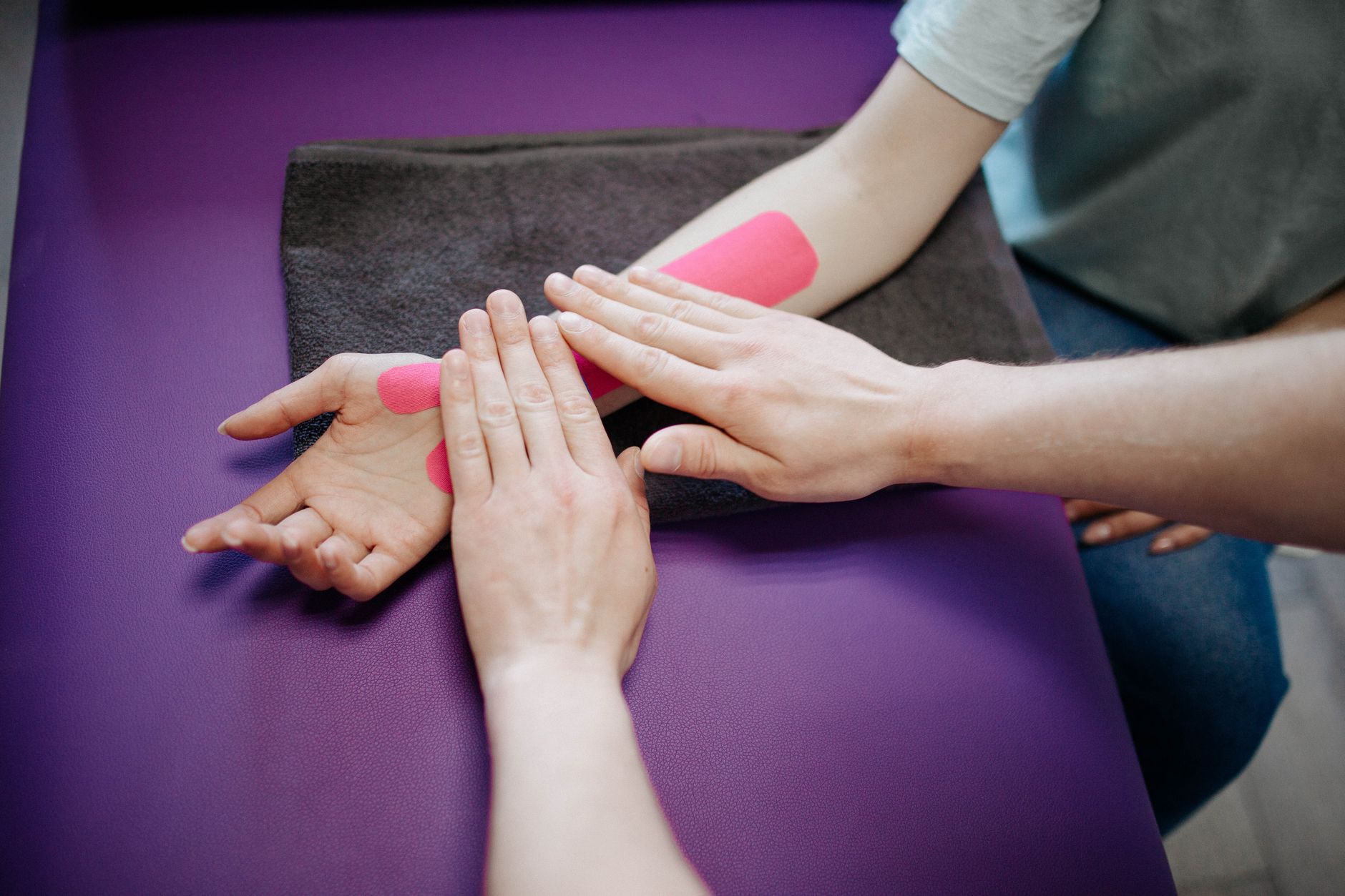
Experiencing knee pain or instability can significantly impact your daily life, making simple activities like walking, climbing stairs, or even standing feel challenging. You're not alone; knee issues are common, especially among those who lead active lifestyles or are dealing with age-related changes. Fortunately, knee taping offers a practical, non-invasive approach to provide support, alleviate discomfort, and help you get back to moving with confidence. This guide will walk you through the essentials of knee taping, explaining what it is, why it's done, and how you can potentially use it to manage your knee concerns. Knee taping involves the strategic application of special adhesive tapes around your knee joint. The goal is to enhance stability, improve alignment, and reduce the load on painful areas. It's a technique often employed by athletes and individuals recovering from injuries, but it can also be beneficial for anyone seeking extra support for their knees. Think of it as a temporary external brace, offering targeted assistance where you need it most. The effectiveness of knee taping often depends on the specific technique used and the type of tape chosen. Different tapes have different properties – some are highly elastic and designed for muscle support and lymphatic drainage, while others are rigid and provide strong structural support to limit excessive movement. Why Consider Knee Taping? Knee taping serves several key purposes: Pain Relief: By offloading certain structures or providing proprioceptive feedback (your body's awareness of its position in space), taping can significantly reduce knee pain. Improved Stability: Taping can help stabilize the kneecap (patella) and the overall knee joint, giving you a greater sense of security during movement. Injury Prevention: For those prone to knee injuries, taping can act as a preventative measure by enhancing support and discouraging awkward movements. Support During Recovery: After an injury or surgery, taping can provide gentle support as you gradually increase your activity levels. Enhanced Performance: Athletes often use taping to optimize knee function and prevent pain during training and competition. It's important to understand that knee taping is typically a complementary therapy. It works best when combined with other treatments recommended by your healthcare provider, such as specific exercises, physical therapy, or medication. Understanding Knee Taping Techniques There isn't a one-size-fits-all approach to knee taping. The technique you use will depend on your specific issue, whether it's pain around the kneecap, ligament instability, or general soreness. Here, we'll explore a few common methods. Kinesiology Tape for Full Kneecap Support Kinesiology tape is a popular choice due to its elasticity and breathability. It's designed to mimic the skin's elasticity, allowing for a full range of motion while providing support and improving blood flow. This method is particularly helpful for pain around the kneecap, often referred to as 'runner's knee' or patellofemoral pain syndrome (PFPS). When to use it: If you experience pain at the front of your knee, especially when bending or straightening it, or if your kneecap feels unstable. What you'll need: Kinesiology tape (available in various colors and brands), and scissors. How to do it: Measure and Cut: Sit down with your knee bent at a 90-degree angle. Measure from the bony bump just below your kneecap (tibial tubercle) up towards your quadriceps tendon. Cut two strips of kinesiology tape of equal length. Round off the corners of the tape to prevent them from peeling up easily. First Strip Application: Take the first strip. Anchor one end just below the tibial tubercle, applying it without any stretch. Second Strip Application: Take the second strip. Anchor one end on the outer side of your tibial tubercle. Creating the 'X': Gently stretch the second strip to about 40-50% of its elasticity and carefully bring it up and across the front of your kneecap, crossing the first strip to form an 'X' shape over the kneecap. Secure the end of this strip without any stretch. Patellar Strap (Optional but Recommended): For additional support directly under the kneecap, cut a shorter strip of tape (about 4-5 inches). Straighten your knee slightly. Apply one end of this strip just below the kneecap, then stretch the tape firmly (around 80% stretch) and wrap it under the kneecap, securing the other end. This helps to lift and support the kneecap. Activation: Gently rub all the applied tape strips. The friction from rubbing activates the adhesive, helping the tape stick better to your skin. Important Note: Always follow the specific instructions on your kinesiology tape packaging, as application methods can vary slightly between brands. Rigid Tape for Enhanced Stability Rigid athletic tape, also known as sports tape, is less elastic and provides strong, firm support. It's often used for more significant instability or to limit the range of motion in a joint. This type of taping is common in sports to prevent or manage sprains and other injuries. When to use it: If you need robust support for a joint that feels loose or unstable, or if you're recovering from a mild sprain and need to restrict excessive movement. What you'll need: 1 1/2-inch wide rigid non-elastic medical tape, and 2-inch wide adhesive gauze (optional, for skin protection). How to do it: Skin Protection (Optional): If you have sensitive skin or are prone to irritation, apply a layer of 2-inch adhesive gauze around the knee. Cut two strips of gauze long enough to cover the kneecap area (about 3-5 inches each) and apply them smoothly. Prepare the Tape: Cut one strip of rigid tape, about 10 inches long. Round off the ends. Application: Sit on a bench with your knee bent at a 90-degree angle. Apply the tape starting from the inner side of your knee, stretching it slightly (about 10-20% stretch). Wrap it around the knee, following its natural curve, and extend it to the outer side. Ensure the tape lies flat against the skin or gauze. Secure: Rub the tape to activate the adhesive. This technique provides a firm wrap around the knee to offer general support. Duration: This type of tape is typically left on for about 18 hours. It's generally not recommended for sleeping. A Scenario: Preparing for a Hike Imagine Mrs. Sharma, a 60-year-old avid walker, is planning a challenging trek in the hills. Her knees have been a bit achy lately, especially on downhill sections, making her hesitant. She consults her physiotherapist, who suggests trying kinesiology tape for added support during the hike. The physiotherapist shows her how to apply the kinesiology tape for kneecap support. Mrs. Sharma feels a noticeable difference – a gentle snugness around her knees that boosts her confidence. She completes the hike with significantly less discomfort, enjoying the scenery without constant worry about her knees. Important Considerations Before You Tape While knee taping can be very beneficial, it's not a magical cure-all. Here are some things to keep in mind: Consult a Professional: Before you start taping, especially if you have a known knee condition or are experiencing significant pain, it's vital to consult a doctor, physical therapist, or sports medicine specialist. They can accurately diagnose your condition and recommend the most appropriate taping technique for your specific needs. A wrong technique or tape could potentially worsen your problem. Tape Quality Matters: Use high-quality tapes designed for medical or athletic use. Cheap tapes may not adhere well, can cause skin irritation, or may not provide adequate support. Skin Care: Always apply tape to clean, dry skin. Avoid taping over open wounds, rashes, or sunburned areas. When removing the tape, do so gently, pulling in the direction of hair growth and supporting the skin to minimize discomfort and prevent tearing. Using a little baby oil or olive oil can help dissolve the adhesive for easier removal. Listen to Your Body: Taping should provide relief, not cause new pain or discomfort. If you experience numbness, tingling, increased pain, or skin irritation, remove the tape immediately and seek medical advice. It's Not a Substitute for Treatment: Remember, taping is usually a supportive measure. It should complement, not replace, other recommended treatments like exercise, strengthening, physical therapy, or prescribed medications. How Long Can You Wear Knee Tape? The duration for which you can wear knee tape depends on the type of tape used and the specific recommendation from your healthcare provider: Kinesiology Tape: Generally, kinesiology tape can be worn for 3 to 5 days. It's waterproof and can be worn during showering, though it's best to gently pat it dry afterward. Rigid Athletic Tape: This type of tape is usually worn for a shorter period, often around 18 hours. It's less breathable and may need to be removed sooner to allow the skin to rest. Always check the product packaging for specific wear-time recommendations. When to Seek Professional Help While self-taping can be a useful tool, certain situations warrant immediate medical attention: Sudden, Severe Pain: If you experience intense knee pain after an injury, particularly if you cannot bear weight on your leg. Significant Swelling or Deformity: If your knee swells rapidly or appears misshapen. Inability to Move the
In summary, timely diagnosis, evidence-based treatment, and prevention-focused care improve long-term health outcomes.
Visit Hospital
Near You

Learn essential dynamic and static stretches for your inner thighs to improve flexibility, prevent injuries, and reduce muscle tension. Perfect for Indian readers seeking practical advice.
April 1, 2026

Discover simple yet effective glute stretches to relieve tightness, reduce back pain, and improve your mobility. Learn how to perform them safely at home or at your desk.
April 1, 2026

Squats and leg presses are both excellent for leg day, but they differ in muscle engagement, benefits, and risks. Learn which one is best for your fitness goals.
April 1, 2026