

Emergency & Help
24/7 Emergency & General Advisory
🚨 24/7 Medical Emergency
Non-Emergency Advisory
10:00 AM – 6:00 PM, Mon–Sat
For appointments & general queries.
24/7 Emergency & General Advisory
🚨 24/7 Medical Emergency
Non-Emergency Advisory
10:00 AM – 6:00 PM, Mon–Sat
For appointments & general queries.
Learn to safely practice the headstand (Sirsasana), the 'king of asanas'. This guide covers benefits, risks, preparation, step-by-step instructions, and safety tips for Indian yogis.
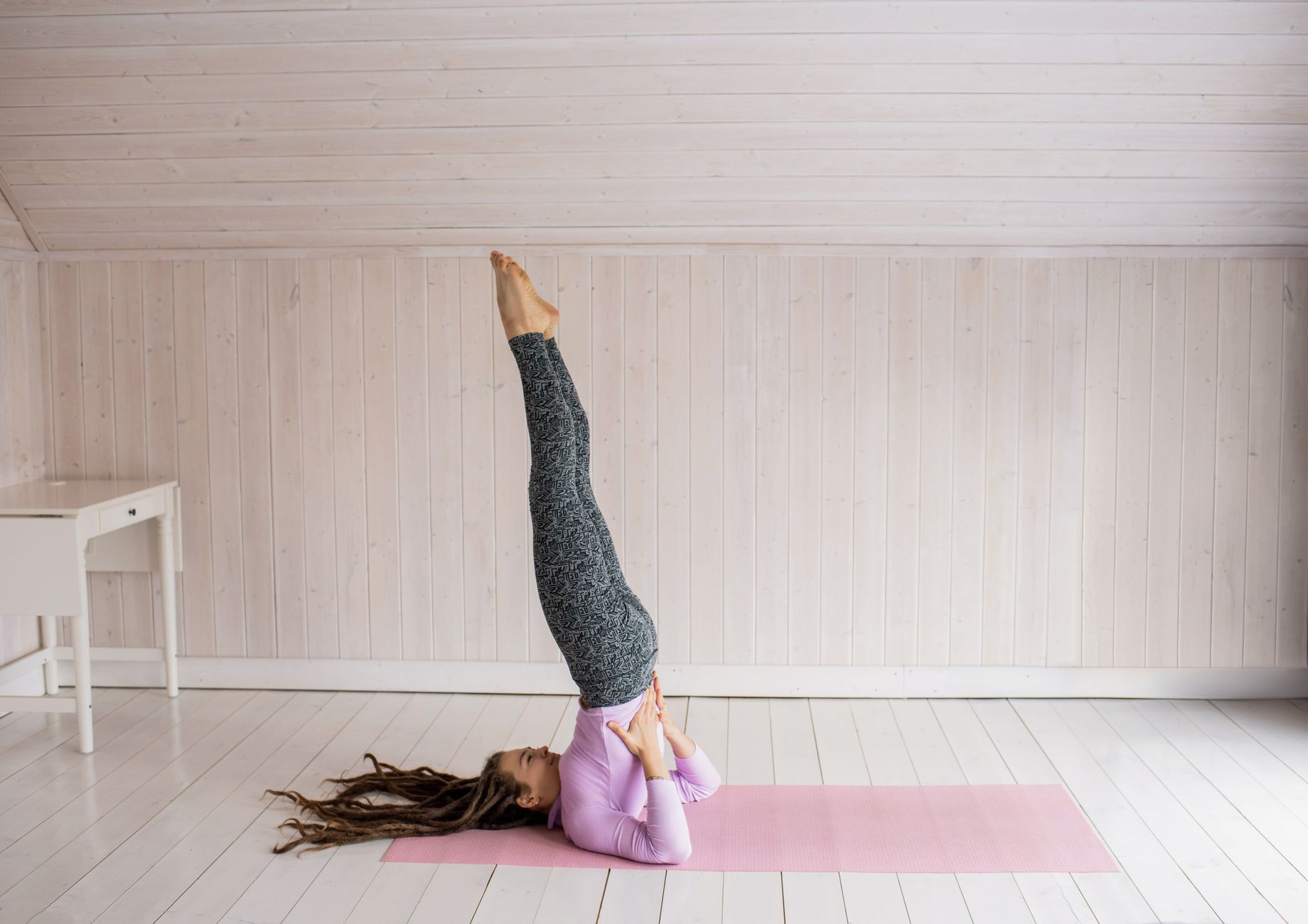
The headstand, known in Sanskrit as Sirsasana, is often called the 'king of asanas' in the yoga world. It's an advanced inversion that, when practiced correctly, can offer a wealth of physical and mental benefits. For practitioners in India, where yoga has deep roots, mastering the headstand can be a deeply rewarding journey. However, like any advanced pose, safety must be your top priority. This guide will walk you through the benefits, risks, and essential steps to approach the headstand with confidence and care, ensuring you can enjoy its advantages without compromising your well-being.
When done with proper technique and preparation, the headstand can be a powerful addition to your yoga routine. It's more than just an impressive pose; it's a practice that can positively influence your body and mind:
While the benefits are compelling, it's vital to acknowledge the potential risks associated with headstands. Improper alignment or rushing into the pose can lead to:
These risks can be significantly minimized by building the necessary strength, flexibility, and alignment. Patience and mindful practice are key.
Before attempting a full headstand, it's essential to prepare your body. This involves developing strength, stability, and flexibility in key areas. Focus on poses that build upper body and core strength, such as:
Gentle stretches for the neck and shoulders are also beneficial. Remember, the goal is not to rush but to build a solid foundation.
Here’s a breakdown of how to safely enter and exit the headstand. It’s highly recommended to have a yoga teacher or an experienced friend guide you through this for the first few times.
Find a clear, spacious area, preferably on a yoga mat. If you are practicing at home, especially when you are starting, consider placing folded blankets or cushions around you. This provides a soft landing if you lose balance.
Hold the headstand for a few breaths, focusing on maintaining a stable core and even breathing. Don't force yourself to stay up longer than feels comfortable. The goal is quality, not duration.
Certain circumstances require extra caution or avoidance of headstands:
Scenario: Priya, a regular yoga practitioner in Mumbai, has been practicing for two years and feels ready to try the headstand. She’s seen others do it in class and online, but she’s a bit nervous about her neck. Her yoga teacher isn't always available for one-on-one guidance.
Priya should prioritize finding a qualified yoga teacher who can provide personalized instruction and feedback. Attempting advanced poses without proper supervision can lead to injury. She could also explore workshops focused on inversions or consider using props like a yoga chair or strap to build confidence and strength safely.
Always practice with awareness. If you feel any sharp pain or discomfort, come out of the pose immediately. Your body will tell you when it’s ready.
If the headstand feels too advanced or you have contraindications, there are other inversion options that offer similar benefits with less risk:
Remember, yoga is a personal journey. Find what works best for your body and practice mindfully.
Q1: How long should I hold a headstand?
As a beginner, focus on holding the pose for 5-10 breaths. As you build strength and stability, you can gradually increase the duration, but always listen to your body. Quality of alignment and breath is more important than duration.
Q2: Can I practice headstands daily?
If you are experienced and your body feels good, daily practice can be beneficial. However, for beginners, 2-3 times a week is often sufficient, allowing your body adequate time to recover and adapt.
Q3: What if I am afraid of falling?
Fear is normal! Start by practicing near a wall for support. You can also place cushions or blankets around you. Working with a spotter is the best way to build confidence. Remember, the intention behind the headstand is relaxation, so try to approach it with gentleness and a playful attitude.
Visit Hospital
Near You

Learn essential dynamic and static stretches for your inner thighs to improve flexibility, prevent injuries, and reduce muscle tension. Perfect for Indian readers seeking practical advice.
April 1, 2026

Discover simple yet effective glute stretches to relieve tightness, reduce back pain, and improve your mobility. Learn how to perform them safely at home or at your desk.
April 1, 2026

Squats and leg presses are both excellent for leg day, but they differ in muscle engagement, benefits, and risks. Learn which one is best for your fitness goals.
April 1, 2026