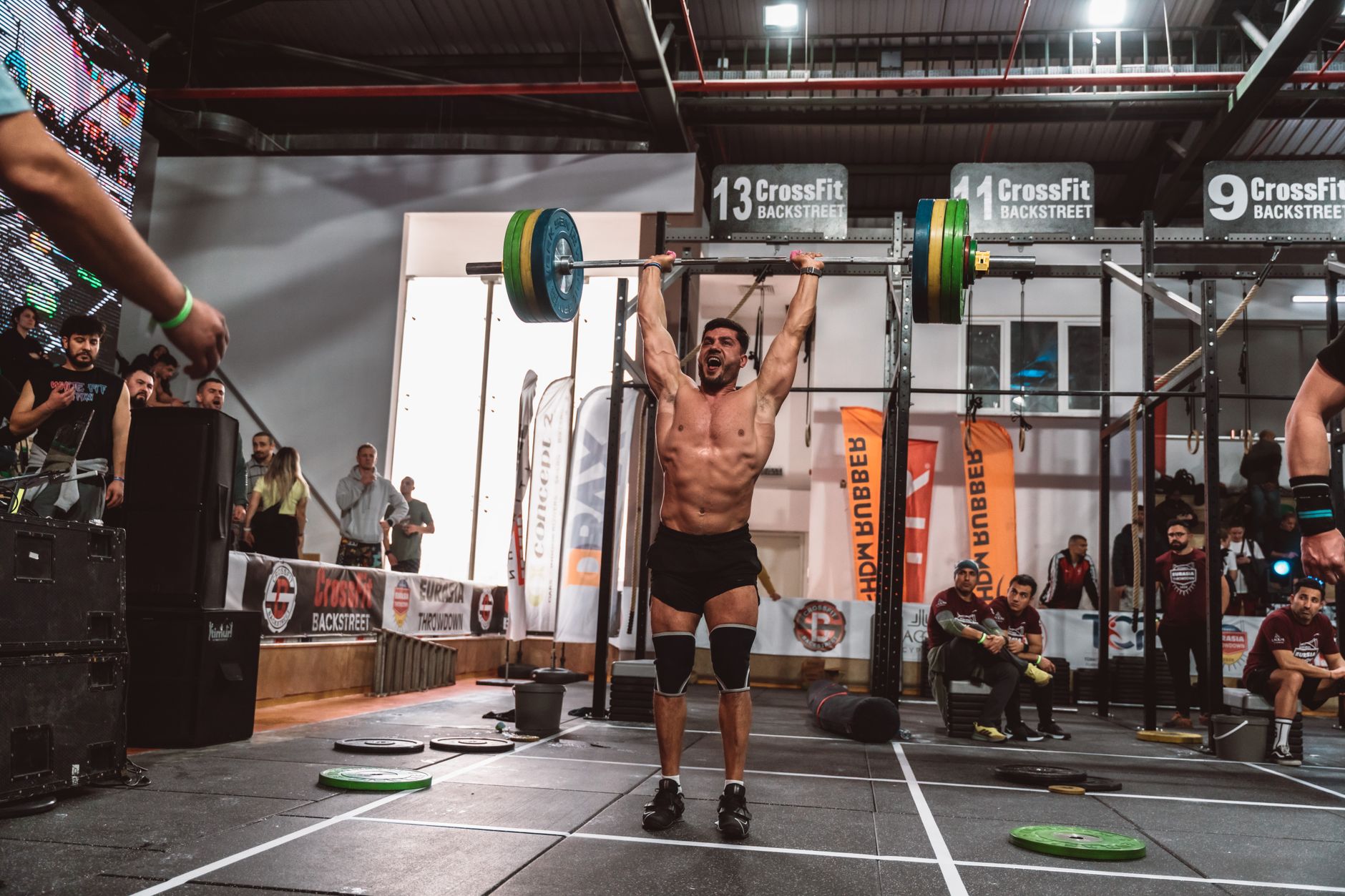
Ready to unlock a new level of athletic performance? The power clean, a dynamic and explosive weightlifting movement, could be your secret weapon. It's not just for Olympic lifters and CrossFit enthusiasts anymore; athletes across various disciplines and even fitness aficionados are incorporating this powerful exercise into their routines. Why? Because the benefits are substantial! A 2019 study highlighted significant improvements in power development among active males who added the power clean to their training. Plus, high-intensity resistance exercises like the power clean are fantastic for stimulating muscle growth and aiding fat loss. Research from 2021 backs this up, showing that consistent resistance training can effectively reduce body fat percentage and overall body fat mass. But let's be honest, the power clean isn't exactly a walk in the park. It's a complex, full-body exercise that demands precision, coordination, and a solid understanding of technique. Attempting it without proper guidance can lead to injury. That’s why we’re here to break down this incredible move, phase by phase, ensuring you can perform it safely and effectively. We’ll cover everything from the initial setup to the final catch, explore its incredible benefits, identify the muscles it targets, and highlight common pitfalls to avoid. Get ready to elevate your strength and power game! What Exactly is a Power Clean? The term “power” in the power clean refers to the fact that you catch the barbell in a partial squat, often called the “power position.” It’s a foundational Olympic weightlifting exercise, but its versatility has made it a staple in training programs for team sports and CrossFit. This compound movement engages multiple major muscle groups simultaneously, making it incredibly efficient for building overall strength and explosive power. The Incredible Benefits of the Power Clean Why should you consider adding the power clean to your workout? The advantages are compelling: Enhanced Power and Explosiveness: This is the primary benefit. The power clean trains your body to generate force rapidly, which translates to better performance in sports requiring jumping, sprinting, and throwing. Increased Muscle Growth: As a compound exercise, the power clean works a vast array of muscles, including your legs, glutes, back, shoulders, and arms. This comprehensive stimulation promotes muscle hypertrophy (growth). Improved Coordination and Athleticism: Mastering the power clean requires intricate timing and coordination between different body parts. This improved neuromuscular control enhances overall athleticism. Boosted Metabolism and Fat Loss: High-intensity exercises like the power clean significantly elevate your metabolic rate, helping you burn more calories both during and after your workout. Studies confirm that regular resistance training, including power cleans, can lead to reductions in body fat. Greater Strength: While focused on power, the strength gains from consistently performing power cleans are undeniable. You'll build functional strength that supports everyday activities and athletic pursuits. Muscles Worked During a Power Clean The power clean is a true full-body exercise. Here are the primary muscle groups you’ll engage: Legs: Quadriceps, hamstrings, and calves are heavily involved in the initial pull and the final extension. Glutes: Your gluteal muscles provide the powerful hip extension needed to drive the bar upward. Back: The entire posterior chain, including the erector spinae, rhomboids, and trapezius muscles, works to maintain posture and pull the bar towards your body. Shoulders: The deltoids are engaged in the shrug and in stabilizing the bar in the catch position. Arms: Biceps and forearms are crucial for gripping the bar and pulling it under. Step-by-Step Guide to Performing the Power Clean Proper technique is paramount. Before you even think about adding weight, practice with an empty barbell or a PVC pipe. If possible, work with a certified trainer who can guide your form. The power clean can be broken down into six distinct phases: Phase 1: The Setup Stance: Stand with your feet slightly wider than shoulder-width apart, toes pointed slightly outward. Position the barbell directly in front of your shins. Grip: Squat down and grasp the bar with an overhand grip, just slightly wider than your shoulder-width. Your hands should face your legs. Body Position: Ensure your arms are fully extended, just outside your knees. Your shoulders should be slightly in front of the barbell. Maintain a natural curve in your spine and keep your torso strong and engaged. Your weight should be distributed evenly across your entire foot. Phase 2: The First Pull (Off the Floor) Initiation: Forcefully extend your hips and knees, driving the bar off the floor. Keep the bar as close to your body as possible. Movement: Your hips and shoulders should rise at the same rate. Keep your arms extended, heels firmly on the ground, and maintain that slight forward shoulder position relative to the bar. Phase 3: The Transition (Scoop) Bar Movement: As the bar passes your knees, thrust your hips forward. Body Adjustment: Bend your knees slightly and shift your weight towards the balls of your feet. This action moves your thighs against the bar, preparing for the explosive second pull. Phase 4: The Second Pull (Explosion) Explosive Extension: As the bar clears your thighs, explosively extend your hips, knees, and ankles simultaneously. Keep the bar incredibly close to your torso throughout this phase. The Shrug and Pull: As your lower body extends, rapidly shrug your shoulders upwards and begin to flex your elbows, pulling yourself *under* the bar. Phase 5: The Catch Dropping Under: Rapidly drop into a partial squat position, keeping your torso strong and upright. Bar Position: As your body moves down, your arms and hands rotate around and under the bar. You should catch the bar in a front rack position, with your upper arms roughly parallel to the floor, elbows high, and hands facing upward, creating a stable shelf. Stabilization: Stand up tall from the partial squat, maintaining control and balance with the bar resting on your shoulders and clavicle. Phase 6: The Finish/Reset Completion: Once you have full control and balance, you have completed the rep. Bar Removal: To safely lower the bar, rotate your hands back around it and gently lower it to the floor, or reset for the next repetition if performing multiple reps. Common Mistakes to Avoid Even with a detailed guide, beginners often make these mistakes: Using Arms Too Early: The power generated should come from your legs and hips. Don't initiate the pull with your arms. Bar Drifting Away: Keep the bar as close to your body as possible throughout the entire movement. A bar that drifts forward is inefficient and dangerous. Not Fully Extending Hips/Ankles: The explosive hip and ankle extension (the “triple extension”) is the engine of the power clean. Don't shortchange this phase. Catching Too Deep: Remember, it’s a *power* clean, meaning you catch in a partial squat, not a full one. Rounding the Back: Maintaining a neutral, strong spine is non-negotiable for safety and effectiveness. Jerking the Bar: The movement should be smooth and controlled, even though it's explosive. Avoid jerky, uncontrolled motions. Variations to Consider Once you've mastered the standard power clean, you might explore variations: Hang Power Clean: Starts with the barbell held at hip height rather than the floor. This emphasizes the second pull. Power Clean from Blocks: The bar starts on elevated blocks, reducing the range of motion of the first pull. Clean Pulls: Focuses on the extension phases without the catch, excellent for building pulling strength. When to Consult a Doctor or Trainer Given the technical nature of the power clean, it’s highly recommended to: Consult a Certified Trainer: Especially when you're starting, a qualified coach can provide personalized feedback on your form, identify weaknesses, and help prevent injuries. See a Doctor: If you have any pre-existing injuries, particularly in your back, knees, or shoulders, consult your doctor before attempting the power clean. They can advise on whether this exercise is appropriate for you. Frequently Asked Questions (FAQ) Q1: How much weight should I start with for the power clean? A1: Always start with an empty barbell or even just a PVC pipe. Focus entirely on mastering the technique. Gradually add weight only when you can perform the movement perfectly with lighter loads. Your ego should not dictate the weight; your technique should. Q2: Is the power clean safe for beginners? A2: The power clean *can* be safe for beginners, but only with proper instruction and a focus on technique over weight. Without guidance, it carries a significant risk of injury. Prioritize learning the movement correctly first. Q3: How often should I do power cleans? A3: For most individuals, incorporating power cleans once or twice a week is sufficient. Recovery is key, especially when performing high-intensity exercises. Listen to your body and allow adequate rest between sessions. Q4: Can the power clean help with weight loss? A4: Yes, the power clean is an excellent tool for weight loss. Its high intensity boosts metabolism, and the muscle-building aspect increases your resting metabolic rate, helping you burn more calories around the clock. Combined with a balanced diet, it can be very effective. Q5: What's the difference between a power clean
In summary, timely diagnosis, evidence-based treatment, and prevention-focused care improve long-term health outcomes.