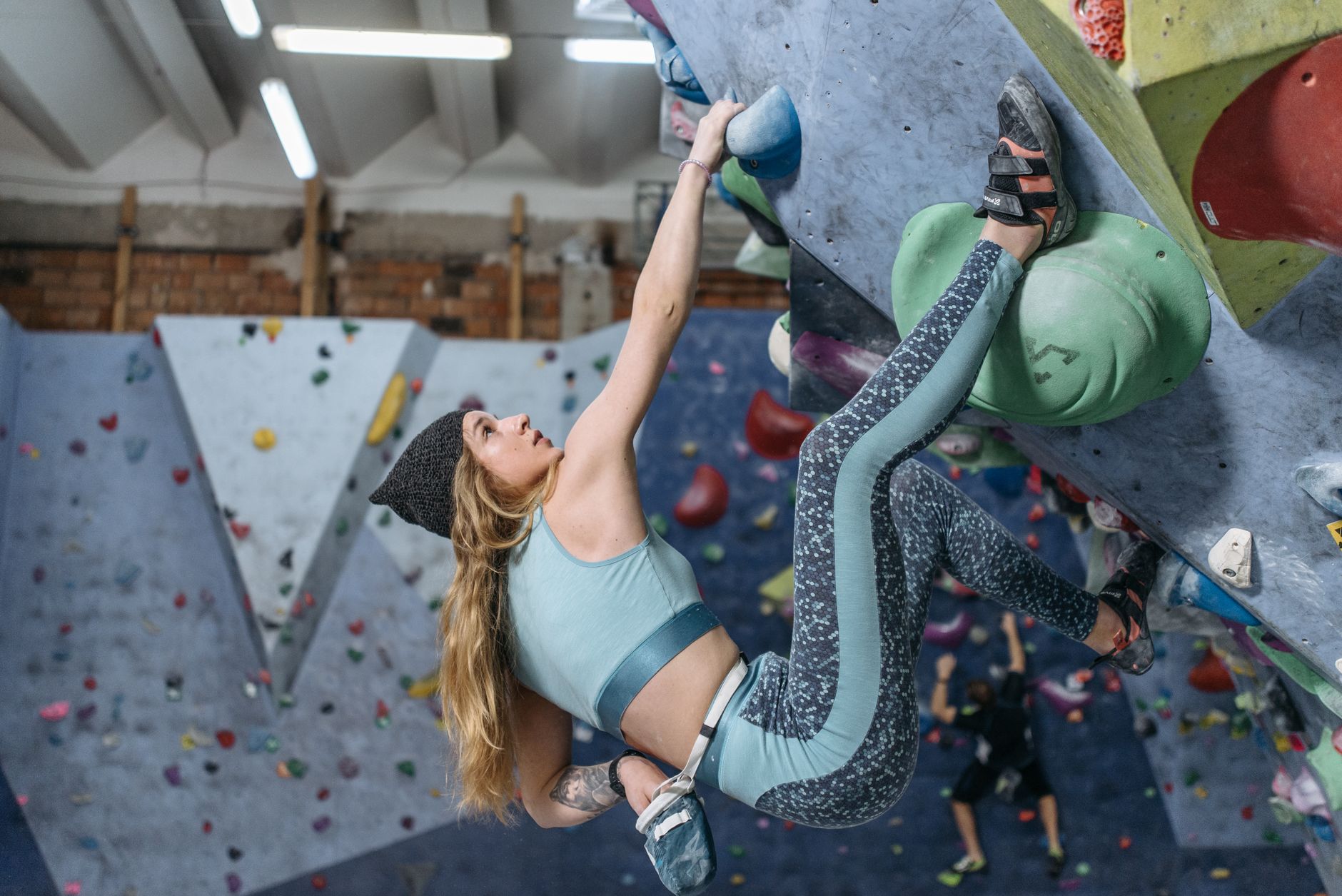
Ever wondered what that dynamic, plank-like exercise with the fast-moving legs is all about? It's called the mountain climber, and it’s a powerhouse move that packs a serious punch for your fitness goals. Forget spending hours in the gym; this single exercise can transform your body, boosting your cardiovascular health, strengthening your core, and toning muscles from head to toe. It’s surprisingly accessible, adaptable, and incredibly effective, especially if you're looking for a high-intensity workout that’s short on time.
What Exactly Are Mountain Climbers?
Picture this: you’re in a high plank position, shoulders stacked over your wrists, body forming a straight line. Now, imagine bringing one knee towards your chest, then switching legs, mimicking the motion of climbing a mountain. That’s a mountain climber! It’s a bodyweight exercise, meaning you don’t need any fancy equipment. It’s a fantastic way to get your heart pumping, engage your core, and work multiple muscle groups simultaneously. Whether you’re a seasoned athlete or just starting your fitness journey, mountain climbers can be modified to suit your level.
The Muscles You'll Be Working
So, what muscles actually feel the burn when you do mountain climbers? The short answer? A lot of them! This exercise is a true full-body engagement.
Upper Body Powerhouses:
- Shoulders (Deltoids): They work hard to stabilize your body and keep you in that plank position.
- Triceps: These are the muscles on the back of your upper arms, helping to extend your arms and support your weight.
- Chest (Pectorals): Your chest muscles engage to maintain upper body stability.
- Serratus Anterior: Located on the sides of your rib cage, these muscles help protract and rotate your shoulder blade, crucial for shoulder stability.
Core Champions:
This is where mountain climbers truly shine! They are phenomenal for your abdominal muscles and lower back.
- Abdominals (Rectus Abdominis, Obliques, Transverse Abdominis): These muscles are constantly engaged to bring your knees in, stabilize your torso, and prevent your hips from sagging. Studies even suggest they get more activation here than in traditional crunches!
- Lower Back (Lumbar Muscles): They work in tandem with your abs to maintain a neutral spine and prevent hyperextension.
Lower Body Engagers:
Don't think your legs get off easy! They’re actively involved in the movement.
- Glutes (Gluteus Maximus): Your glutes help extend your hip and stabilize your leg as it moves back to the plank position.
- Quadriceps: These front-of-thigh muscles engage as you bring your knee towards your chest.
- Hip Flexors: Located at the front of your hips, these muscles are key to bringing your knee forward.
- Hamstrings: The muscles at the back of your thighs assist in leg movement and stabilization.
- Calves: While less primary, your calf muscles also contribute to the overall leg drive and stability.
How to Master the Mountain Climber: Proper Form is Key!
Getting the form right is essential to maximize benefits and prevent injuries. Here’s a step-by-step guide:
- Starting Position: Get down on the floor on your hands and knees. Place your hands directly under your shoulders, fingers spread wide and pressing into the floor. Imagine you're creating a stable base.
- Plank Formation: Step your right foot back, then your left foot, to meet your right. You should now be in a high plank position. Ensure your body forms a straight line from your head to your heels. Engage your core tightly – think about drawing your belly button towards your spine.
- Shoulder Stability: Press your hands firmly into the floor. Slightly lift the space between your shoulder blades towards the ceiling. This helps activate your serratus anterior and protects your shoulders.
- Gaze: Keep your neck in a neutral position by gazing at a spot on the floor a few inches in front of your hands. Avoid looking up or letting your head drop.
- The Climb (Slow & Controlled): This is for beginners or those focusing on form. Keeping your hips as still as possible, bend your right knee and bring it towards your chest. Pause briefly, then return your right foot to the plank position. Now, repeat with your left knee, bringing it towards your chest, and then returning it to plank. Focus on controlled movements.
- The Climb (Fast Pace): For a cardiovascular challenge, alternate bringing your knees towards your chest in a rapid, running-like motion. As one knee comes forward, the other goes back. Aim for a fluid, continuous movement while maintaining core engagement and a stable upper body.
Benefits That Will Make You Want to Climb!
Why incorporate mountain climbers into your routine? The benefits are numerous!
- Cardiovascular Health Boost: Performed at a faster pace, mountain climbers are an excellent cardiovascular exercise. They elevate your heart rate, improving stamina and potentially reducing the risk of heart disease. They are a fantastic component of High-Intensity Interval Training (HIIT).
- Full-Body Strength: As we’ve seen, they work multiple muscle groups simultaneously, building strength throughout your body.
- Core Strength & Stability: Mountain climbers are superior for core activation, leading to better posture, reduced back pain, and improved athletic performance.
- Calorie Burn: The high intensity and full-body engagement mean you burn a significant number of calories in a short amount of time, aiding in weight management.
- Improved Coordination & Balance: The alternating leg movement requires coordination and helps enhance your overall balance.
- Convenience: No gym, no problem! You can do mountain climbers anywhere, anytime.
Making It Your Own: Modifications & Progressions
Mountain climbers are incredibly versatile. Whether you need to make them easier or harder, there’s an option for you.
Modifications (Making it Easier):
- Incline Mountain Climbers: Place your hands on an elevated surface like a sturdy bench, step, or wall. This reduces the weight on your wrists and upper body, making it more accessible.
- Knee Taps: Instead of bringing your knee all the way to your chest, simply tap your knee towards the floor before returning it.
- Slower Pace: Focus on the slow, controlled movement described earlier.
Progressions (Making it Harder):
- Add Push-ups: Perform a set number of mountain climbers, then immediately do a push-up, and repeat. For example, 4 mountain climbers followed by 2 push-ups.
- Add Burpees: Combine mountain climbers with burpees for an ultimate HIIT challenge.
- Cross-Body Climbers: Bring your knee towards the opposite elbow as you perform the movement. This increases oblique engagement.
- Weighted Mountain Climbers: Use ankle weights (use with caution and ensure proper form).
- Slider Mountain Climbers: Place sliders or a towel under your feet. As you bring your knee in, slide your foot closer to your glutes, then extend it back. This intensifies the hamstring and glute work.
How Often Should You Do Mountain Climbers?
The frequency depends on your fitness goals and current level:
- For Strength & Conditioning: Aim for 2–3 sets of 10–15 slow, controlled repetitions per leg, a few times a week.
- For Cardiovascular Fitness & HIIT: Incorporate 6–8 rounds of fast-paced mountain climbers for 20 seconds, with a 10-second rest between rounds. This can be done as part of a larger HIIT workout, several times a week, allowing for rest days.
Remember, consistency is key. Listen to your body and adjust as needed.
When to Consult a Doctor
While mountain climbers are generally safe, it's wise to consult your doctor or a physical therapist before starting if you:
- Have a history of wrist, shoulder, or back injuries.
- Are pregnant or have recently given birth.
- Have any pre-existing cardiovascular conditions.
- Are new to exercise and unsure about your form.
A healthcare professional can help you determine if mountain climbers are suitable for you and guide you on proper technique.
Frequently Asked Questions (FAQ)
Q1: Are mountain climbers good for weight loss?
Yes! Because they are a high-intensity, full-body exercise, mountain climbers burn a significant number of calories in a short period. When combined with a balanced diet, they can be a very effective tool for weight loss.
Q2: Can I do mountain climbers if I have knee pain?
You should proceed with caution. If you experience knee pain, opt for modifications like the incline mountain climber or focus on a very slow, controlled pace. If pain persists, it’s best to avoid the exercise and consult a doctor or physiotherapist.
Q3: How can I make my mountain climbers more challenging without equipment?
Try increasing the speed, extending the duration of your sets, reducing rest times, or incorporating variations like cross-body climbers or adding push-ups between sets.
Q4: Is it okay to do mountain climbers every day?
While tempting, it's generally not recommended to do high-intensity exercises like fast-paced mountain climbers every single day. Your body needs time to recover and repair. Incorporating rest days or alternating with lower-intensity workouts is crucial for preventing overtraining and injury.
Mountain climbers are more than just a trendy exercise; they are a potent, efficient way to build a stronger, healthier you. Give them a try and feel the difference!