

Emergency & Help
24/7 Emergency & General Advisory
🚨 24/7 Medical Emergency
Non-Emergency Advisory
10:00 AM – 6:00 PM, Mon–Sat
For appointments & general queries.
24/7 Emergency & General Advisory
🚨 24/7 Medical Emergency
Non-Emergency Advisory
10:00 AM – 6:00 PM, Mon–Sat
For appointments & general queries.
Learn about pickleball, a fun and accessible paddle sport combining elements of tennis, badminton, and table tennis. Discover its history, rules, and benefits.
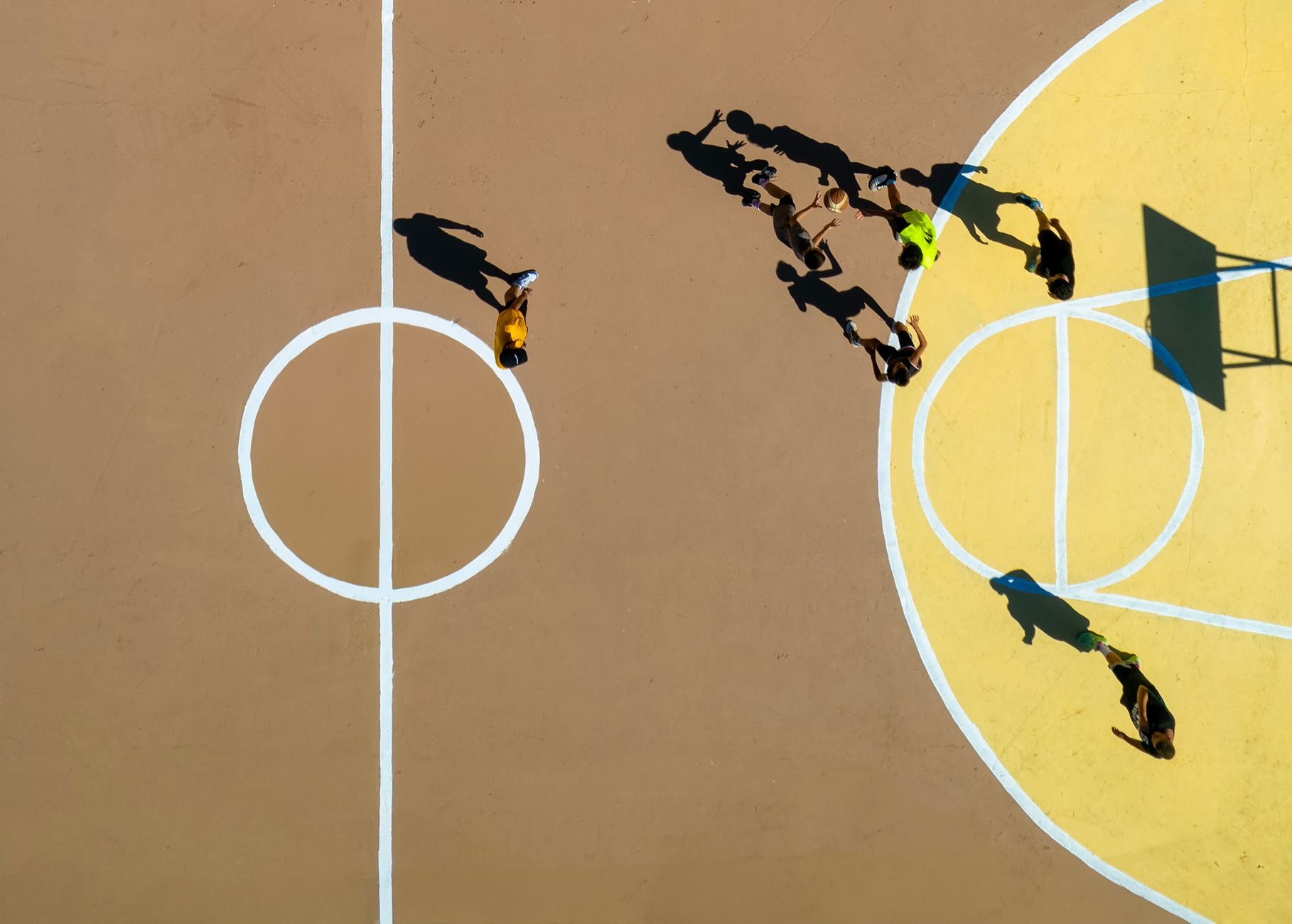
Pickleball is a paddle sport that combines elements of tennis, badminton, and table tennis. It's played on a court that's similar in size to a badminton court, with a net that's lower than a tennis net. The game is played with a paddle and a plastic ball with holes, similar to a Wiffle ball. Pickleball is known for its accessibility, making it a popular choice for people of all ages and athletic abilities. It's a great way to stay active, socialize, and have fun.
Pickleball was invented in 1965 by Joel Pritchard and Bill Bell in Bainbridge Island, Washington. The story goes that they were looking for a way to entertain their children on a summer afternoon and ended up improvising a game with ping pong paddles and a Wiffle ball. They lowered the net from a badminton court and created a new game with its own unique rules. The sport quickly gained popularity, and by 1972, the first pickleball tournament was held. The United States Amateur Pickleball Association (now USA Pickleball) was formed in 1984, and the sport has continued to grow internationally ever since.
Pickleball can be played as singles (one player against another) or doubles (two players against two). The game is typically played to 11 points, and the winning team must win by at least two points. Here's a breakdown of the basic gameplay:
The serve is always underhand and must be hit diagonally to the opposite side of the court. The server must hit the ball from waist height, and it can be served after a drop or a bounce. Propelling the ball with impact is not allowed.
This is a key rule in pickleball. The serve must bounce on the receiving side of the court before the receiver can hit it. Similarly, the return hit must also bounce before the serving side can hit it back. After these two bounces, players can choose to volley the ball (hit it before it bounces) or let it bounce.
The area near the net is called the
This section adds practical context and preventive advice to help readers make informed healthcare decisions. It is important to verify symptoms early, consult qualified doctors, and avoid self-medication for persistent health issues.
Maintaining healthy routines, following prescribed treatment plans, and attending regular checkups can improve outcomes. If symptoms worsen or red-flag signs appear, immediate medical evaluation is recommended.
Track symptoms and duration.
Follow diagnosis and treatment from a licensed practitioner.
Review medication side effects with your doctor.
Seek urgent care for severe warning signs.
Visit Hospital
Near You

Learn essential dynamic and static stretches for your inner thighs to improve flexibility, prevent injuries, and reduce muscle tension. Perfect for Indian readers seeking practical advice.
April 1, 2026

Discover simple yet effective glute stretches to relieve tightness, reduce back pain, and improve your mobility. Learn how to perform them safely at home or at your desk.
April 1, 2026

Squats and leg presses are both excellent for leg day, but they differ in muscle engagement, benefits, and risks. Learn which one is best for your fitness goals.
April 1, 2026