

Emergency & Help
24/7 Emergency & General Advisory
🚨 24/7 Medical Emergency
Non-Emergency Advisory
10:00 AM – 6:00 PM, Mon–Sat
For appointments & general queries.
24/7 Emergency & General Advisory
🚨 24/7 Medical Emergency
Non-Emergency Advisory
10:00 AM – 6:00 PM, Mon–Sat
For appointments & general queries.
Discover the world of Pilates for beginners! Learn about its benefits, how to start at home or in a studio, and essential tips for a safe and effective practice. Get ready to strengthen your core and improve your posture.
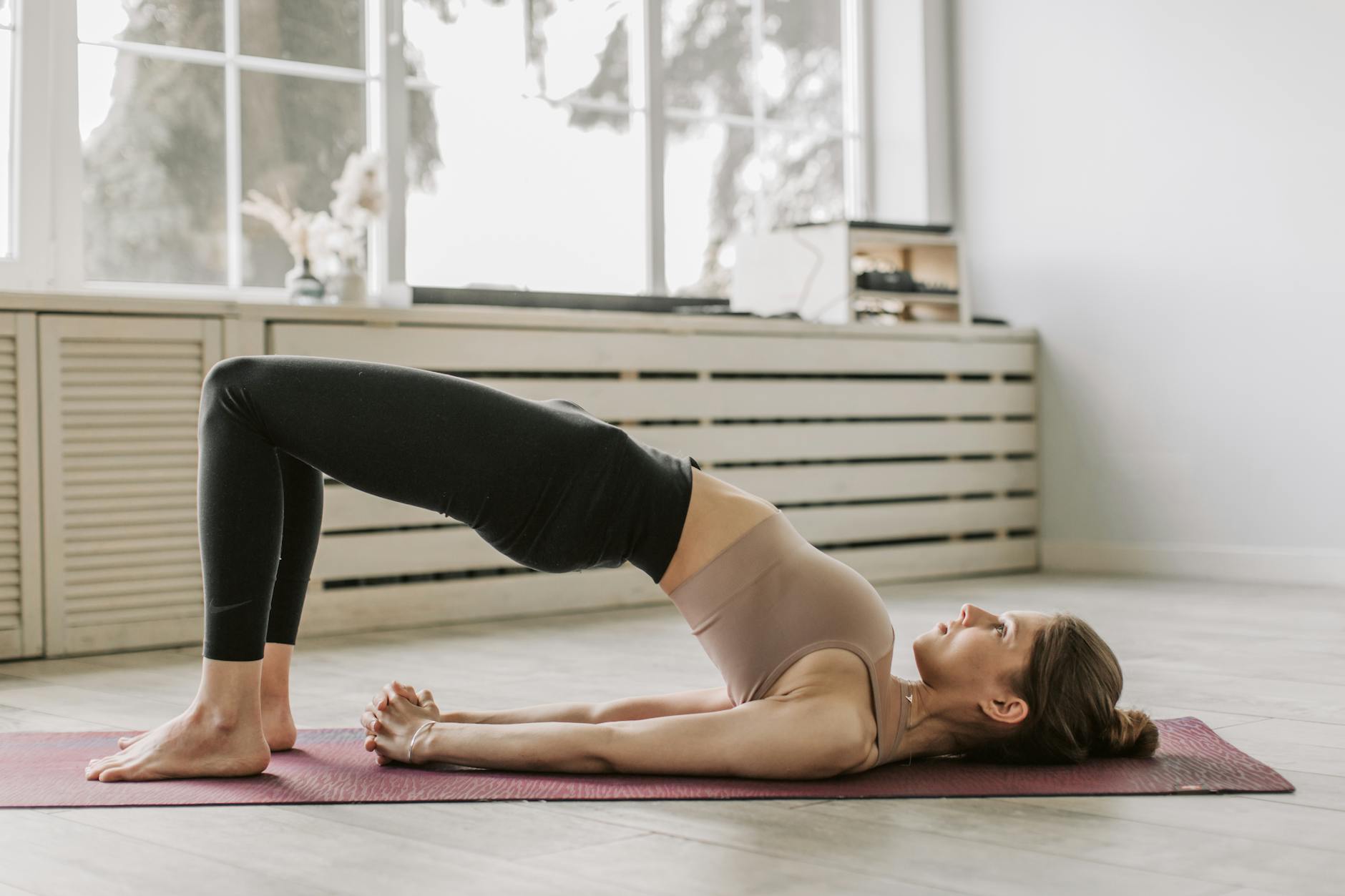
Embarking on a fitness journey can sometimes feel daunting, especially when you're presented with a myriad of options. But what if there was a gentle yet profoundly effective way to sculpt your body, strengthen your core, and enhance your overall well-being? Enter Pilates! Often depicted with graceful dancers on specialized equipment, the reality of Pilates is far more accessible and welcoming than you might imagine. It’s an exercise system designed for *everybody*, regardless of age, size, ethnicity, gender, or physical ability. Joseph H. Pilates, the brilliant mind behind this method, developed it in the early 20th century, drawing inspiration from a rich blend of yoga, ballet, meditation, and martial arts. His initial goal was rehabilitation, and that spirit of mindful movement and therapeutic benefit still permeates Pilates today. Why Choose Pilates? The Incredible Benefits Unveiled You might be wondering, "What makes Pilates so special?" The answer lies in its holistic approach. Unlike some fitness fads that focus solely on brute strength or high-impact cardio, Pilates targets the smaller, deeper muscles that often get neglected. These are the muscles that act as your body’s natural support system, crucial for maintaining good posture, balance, and efficient movement. By strengthening these core stabilizers, Pilates can: Improve Core Strength and Stability: This is the cornerstone of Pilates. A strong core isn't just about a flat stomach; it's about supporting your spine and pelvis, which impacts everything from how you stand to how you lift objects. Enhance Posture: Slouching? Feeling stiff? Pilates helps realign your body, encouraging better posture that can alleviate back pain and make you look and feel more confident. Increase Flexibility and Mobility: Pilates movements encourage a greater range of motion in your joints, helping you move more freely and reducing the risk of stiffness and injury. Boost Balance: As we age, balance becomes increasingly important. Pilates exercises systematically challenge and improve your equilibrium, reducing the risk of falls. Promote Mind-Body Connection: Pilates requires concentration and mindful execution of each movement. This focus sharpens your mental acuity and helps you become more attuned to your body’s signals. Aid in Injury Rehabilitation and Prevention: Its low-impact nature makes it ideal for recovery from injuries and for building resilience against future ones. Offer a Restorative Challenge: The controlled, deliberate movements can be surprisingly challenging, providing a powerful workout that feels both invigorating and calming. Getting Started: Your Pilates Journey Begins Here Feeling inspired? Great! Starting Pilates is simpler than you think. The beauty of this method is its adaptability. You can begin right at home with just a mat, or you might choose to join a studio for a more guided experience, perhaps even exploring equipment like the reformer. Remember, Pilates exercises progress from beginner to advanced. Even elite athletes start with the fundamentals. A good instructor will tailor the exercises to your current level, ensuring safety, effectiveness, and just the right amount of challenge. What You Need: The Bare Essentials For mat Pilates at home, your primary need is a comfortable, non-slip mat. Comfortable clothing that allows for a full range of motion is essential. You want to be able to move freely without restriction. Some people find a small towel helpful, and a water bottle is always a good idea to stay hydrated. If you decide to explore studio classes, you might encounter specialized equipment like the Pilates reformer, Cadillac, or chair. Don't let these machines intimidate you; they are designed to assist and enhance your movements, offering varying levels of resistance and support. Frequency: Finding Your Rhythm How often should you practice Pilates? This is a common question, and the answer depends on your goals and how your body responds. A good starting point is 1 to 2 times per week. This allows you to get a feel for the movements and see how your body adapts without overdoing it. As you become more comfortable and notice the benefits, you can gradually increase your frequency to 3 or even 4 times per week. Remember, consistency is key, but so is allowing your body adequate time to recover between sessions. If you're incorporating Pilates alongside other forms of exercise, aim for balance. The recommended guidelines for overall physical activity suggest 150-300 minutes of moderate-intensity aerobic exercise or 75 minutes of high-intensity exercise per week, plus strength-building activities at least two days a week. Pilates can complement these perfectly. The 80/20 Rule and the 3-2-1 Method You might hear about the 80/20 rule in Pilates, inspired by the Pareto principle. This suggests focusing on the 20% of exercises that yield 80% of the results. While the concept is intriguing, it's worth noting that scientific studies haven't definitively identified which specific exercises offer the most benefits. The focus in Pilates is on the quality of movement and mindful execution across all exercises. Another popular approach is the 3-2-1 Pilates method , which structures your weekly routine: 3 sessions of resistance training, 2 sessions of Pilates, and 1 session of cardio. This balanced approach ensures you're working various aspects of your fitness. Safety First: Listening to Your Body Pilates is renowned for its safety, but like any physical activity, it's vital to listen to your body. If something feels painful, stop. Pushing through sharp or unusual pain can lead to injury. If you're new to exercise, pregnant, recovering from an injury, or have limited mobility, it's always wise to consult with a healthcare professional before starting Pilates. They can assess your individual health status and provide guidance on whether Pilates is suitable for you and how to modify exercises if needed. A qualified instructor will always prioritize your safety, guiding you through movements that are appropriate for your level. Common Beginner Mistakes to Avoid Even with the best intentions, beginners can sometimes make common errors. Watch out for: Holding your breath: Proper breathwork is fundamental to Pilates. Inhale deeply through your nose and exhale fully through your mouth, coordinating your breath with your movements. Sacrificing form for range: It's better to perform a smaller movement with perfect form than a larger movement with sloppy technique. Focus on control and precision. Overarching the back: Many exercises require a neutral spine. Be mindful of engaging your core to prevent excessive arching or flattening of your lower back. Moving too quickly: Pilates is about control, not speed. Allow each movement to flow deliberately from one to the next. Ignoring pain: As mentioned, pain is a signal. Don't ignore it. Modify the exercise or stop if you feel discomfort. Pilates at Home vs. Studio: Making the Choice Both options offer unique advantages. Practicing at home offers unparalleled convenience and cost-effectiveness. You can follow online videos, like those in Healthline’s Fit It In Pilates Series (which offers four 22-minute routines focusing on strength, beginners, older adults, and postpartum fitness), at your own pace and on your own schedule. However, a studio setting provides direct guidance from a certified instructor. They can offer real-time feedback on your form, ensure you’re performing exercises correctly, and help you progress safely. For beginners, a few studio sessions can be invaluable for establishing a solid foundation before transitioning to home practice. Beyond the Mat: Integrating Pilates into Your Life Pilates isn't just an exercise routine; it's a way of moving that can permeate your daily life. The increased body awareness you develop will help you notice and correct poor posture while sitting at your desk, lifting groceries, or even sleeping. The strength and stability gained from your mat sessions will translate into more efficient and less strenuous everyday activities. Think of it as investing in your body’s long-term health and function. Frequently Asked Questions About Pilates for Beginners Can I really do Pilates if I'm not flexible? Absolutely! Pilates is designed to *improve* flexibility. You don't need to be flexible to start; the exercises will help you gradually increase your range of motion. How soon will I see results? Results vary from person to person. Many people notice improvements in core strength and posture within a few weeks of consistent practice. More significant changes in flexibility and muscle tone may take a few months. Is Pilates suitable for weight loss? Pilates can contribute to weight loss when combined with a healthy diet and consistent aerobic exercise. It builds lean muscle mass, which can boost your metabolism. However, its primary focus is on strength, flexibility, and core conditioning rather than high-calorie burning. What's the difference between mat Pilates and reformer Pilates? Mat Pilates uses body weight and gravity for resistance, often incorporating props like bands or small weights. Reformer Pilates uses a specialized machine called a reformer, which uses springs and pulleys to provide resistance and support, allowing for a wider range of exercises and potentially greater challenge or assistance. Do I need to be strong to start Pilates? No! Pilates builds strength progressively. The exercises are designed to be modified for all levels, starting with foundational movements that build the necessary strength over time. Pilates offers a unique and powerful path to a stronger, more
In summary, timely diagnosis, evidence-based treatment, and prevention-focused care improve long-term health outcomes.
Visit Hospital
Near You

Learn essential dynamic and static stretches for your inner thighs to improve flexibility, prevent injuries, and reduce muscle tension. Perfect for Indian readers seeking practical advice.
April 1, 2026

Discover simple yet effective glute stretches to relieve tightness, reduce back pain, and improve your mobility. Learn how to perform them safely at home or at your desk.
April 1, 2026

Squats and leg presses are both excellent for leg day, but they differ in muscle engagement, benefits, and risks. Learn which one is best for your fitness goals.
April 1, 2026