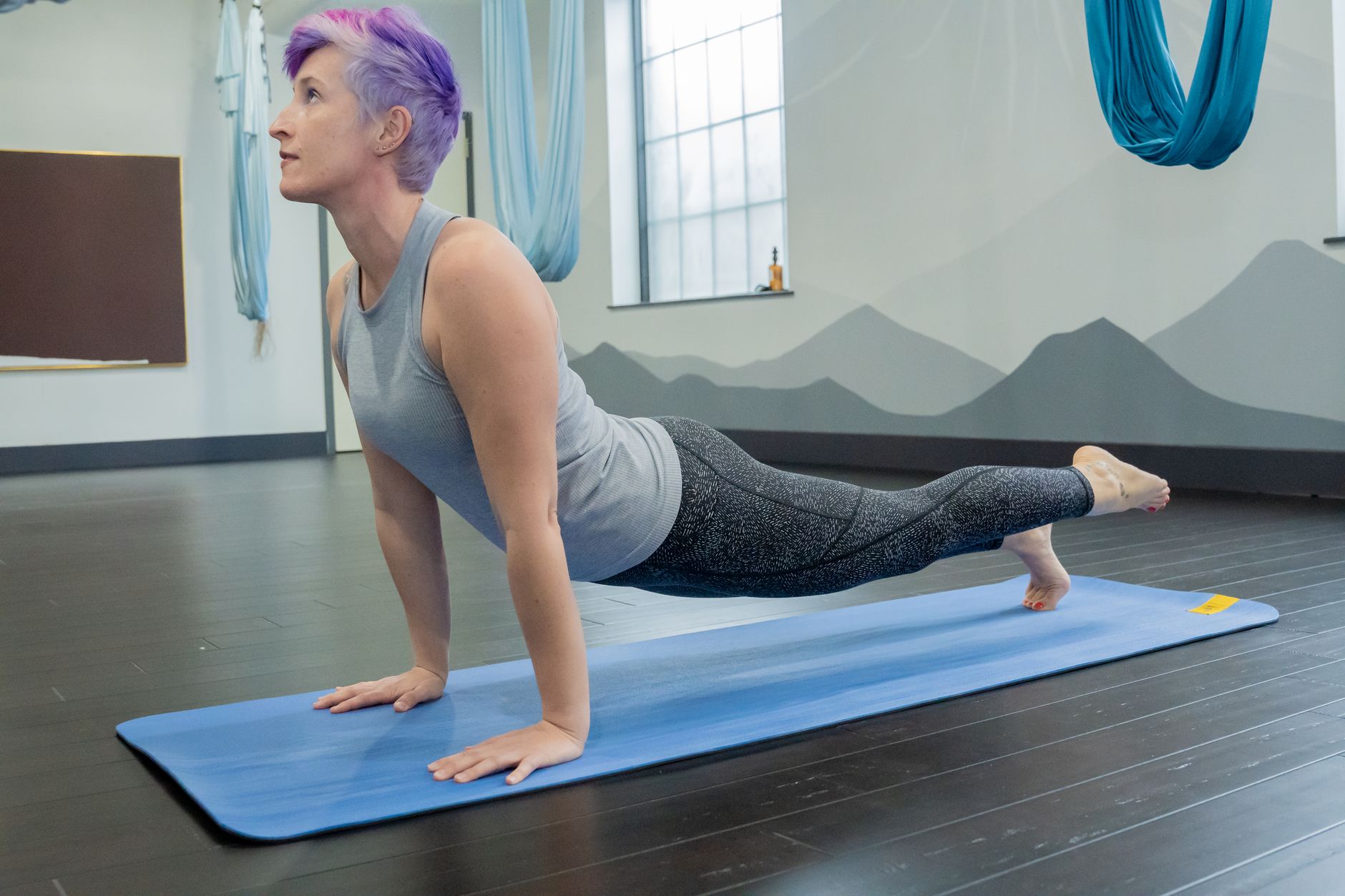
Feeling a bit stiff? Want to build strength without the jarring impact of other exercises? Or perhaps you’ve heard the buzz about Pilates and are curious to dip your toes in? Great news! You don’t need fancy equipment or hours in the gym to get started. Pilates, at its core, is about mindful movement, connecting your mind and body to achieve incredible results. It’s a fantastic way to improve your posture, build core strength, enhance flexibility, and even reduce stress. And the best part? You can do it right in your living room!
What Exactly is Pilates?
Pilates is a low-impact exercise system developed by Joseph Pilates in the early 20th century. It focuses on controlled movements, breath, and core engagement. Unlike traditional strength training that often targets individual muscles, Pilates emphasizes the integration of the whole body, with a particular focus on the deep abdominal muscles, back, hips, and buttocks – often referred to as the “powerhouse.” This holistic approach helps create a balanced, strong, and flexible physique. It’s not just about physical fitness; it’s about mental focus and body awareness too.
Why Choose Pilates, Especially for Beginners?
Pilates is incredibly beginner-friendly. Its low-impact nature means it’s gentle on your joints, making it accessible for people of all ages and fitness levels, including those recovering from injuries. It builds a foundational strength that supports everyday activities, from carrying groceries to sitting comfortably at your desk. You’ll notice improvements in your posture, a reduction in aches and pains, and a greater sense of control over your body. Imagine standing taller, moving with more ease, and feeling more connected to your physical self. That’s the promise of Pilates.
Getting Started: What You Need
The beauty of beginner Pilates is its simplicity. You don’t need much!
- A comfortable mat: A yoga mat or a cushioned exercise mat will provide comfort and grip.
- Comfortable clothing: Wear something that allows you to move freely. Think leggings, shorts, or track pants and a t-shirt.
- A clear space: Just enough room to lie down and extend your arms and legs.
- Your breath: This is your most important tool!
- Optional: A yoga block or pillow: For added comfort or support in certain poses, though not essential for a basic routine.
Your First Pilates Routine: A 20-Minute, No-Equipment Workout
Let’s get moving! This routine is designed to introduce you to the fundamental principles of Pilates. Remember to focus on smooth, controlled movements and deep breathing. If something feels uncomfortable, ease off. Listen to your body!
- The Hundred (Warm-up): Lie on your back with knees bent and feet flat on the floor. Extend your arms long by your sides. Inhale deeply, then as you exhale, lift your head and shoulders slightly off the mat, engaging your abs. Pump your arms up and down vigorously, keeping them straight, for 10 breaths (5 inhales, 5 exhales). Repeat 10 times for a total of 100 pumps. This warms up your body and gets your breath flowing.
- Roll Up (Spine Articulation): Lie on your back with legs extended and arms overhead. Inhale, then as you exhale, draw your navel towards your spine and slowly roll up, reaching your hands towards your toes. Keep your spine articulating one vertebra at a time. Inhale at the top, then slowly roll back down, controlling the movement. This strengthens your abs and improves spinal flexibility.
- Leg Circles (Hip Mobility): Lie on your back, one knee bent with foot flat, the other leg extended towards the ceiling. Keep your pelvis stable. Draw small circles with your extended leg, first clockwise, then counter-clockwise. Focus on moving from the hip joint. Repeat on the other side. This improves hip mobility and core stability.
- Rolling Like a Ball (Spinal Massage): Sit on your mat with knees bent and feet flat. Hold your shins and tuck your chin to your chest. Engage your abs and rock back onto your shoulders, then roll forward to balance on your sitting bones. Keep the movement controlled and smooth. This is a gentle massage for your spine.
- Single Leg Stretch (Abdominal Strength): Lie on your back, knees bent at tabletop position (90-degree angle). Extend one leg straight out, then hug the other knee into your chest. Switch legs in a smooth, continuous motion, as if you’re pedaling. Keep your head and shoulders lifted and your abs engaged. This targets your abdominal muscles.
- Double Leg Stretch (Core Power): Start in the same tabletop position. Extend both legs out and circle your arms overhead. Then, sweep your arms back down and hug both knees into your chest. Keep your abs pulled in throughout. This is a more challenging move for your core.
- Spine Stretch Forward (Flexibility): Sit tall with legs extended straight in front of you, slightly wider than hip-width apart. Reach your arms forward, parallel to the floor. Inhale, then as you exhale, reach forward, articulating your spine, aiming to lengthen rather than round. Keep your abs engaged. This stretches your hamstrings and back.
- The Saw (Torso Rotation): Sit tall with legs extended and slightly wider than hip-width apart. Arms extended out to the sides. Inhale, then as you exhale, twist your torso to one side, reaching your opposite hand towards the little toe of your extended foot. Keep your hips facing forward. Inhale back to center, then exhale and twist to the other side. This works on torso rotation and flexibility.
- Swan Dive Prep (Back Strength): Lie on your stomach with legs extended and arms by your sides, palms down. Inhale and lift your head, chest, and arms slightly off the mat, engaging your back muscles. Hold briefly, then exhale to lower. Keep your neck long. This strengthens your back extensors.
- Side Kick Series (Hip and Leg Strength): Lie on your side with legs extended and stacked. Support your head with your bottom arm or hand. Engage your core. Kick your top leg forward, then sweep it back, keeping your body stable. Then, perform small leg circles with the top leg. Repeat on the other side. This builds strength and control in your hips and legs.
- Plank (Core Endurance): Start on your hands and knees. Extend your legs back so you’re resting on your forearms and toes. Keep your body in a straight line from head to heels. Engage your abs and glutes. Hold for 30-60 seconds, focusing on your breath. This is a fantastic total-body strengthener.
- Child’s Pose (Cool-down): Kneel on the mat, sit back on your heels, and fold your torso forward, resting your forehead on the mat. Extend your arms overhead or rest them alongside your body. Breathe deeply and relax.
Key Principles to Remember
As you move through these exercises, keep these core Pilates principles in mind:
- Centering: Always focus on engaging your deep abdominal muscles (your powerhouse). Imagine drawing your belly button towards your spine.
- Control: Every movement should be precise and deliberate. Avoid jerky or rushed motions.
- Breath: Use your breath to power your movements and deepen your stretches. Inhale to prepare, exhale to engage and move.
- Flow: Aim for smooth transitions between exercises. The movements should feel connected.
- Precision: Focus on correct form over the number of repetitions. Quality over quantity!
- Concentration: Be present in your body. Pay attention to how each movement feels.
When to Consult a Doctor
While Pilates is generally safe, it's always wise to consult your doctor or a qualified healthcare professional before starting any new exercise program, especially if you have:
- A history of back pain or injury.
- Any chronic health conditions.
- Are pregnant or have recently given birth.
- Any concerns about your physical fitness.
A doctor or physical therapist can help you determine if Pilates is suitable for you and advise on any modifications you might need.
The Benefits You Can Expect
Stick with it, and you’ll start to see amazing changes!
- Improved Posture: Say goodbye to slouching!
- Increased Core Strength: A strong core supports your entire body.
- Enhanced Flexibility: Move with greater ease and range of motion.
- Reduced Muscle Imbalances: Pilates helps create a more balanced physique.
- Better Body Awareness: You'll become more attuned to your body's signals.
- Stress Reduction: The focus on breath and mindful movement can be incredibly calming.
- Injury Prevention: A stronger, more balanced body is less prone to injury.
Is Pilates Right for You?
If you’re looking for an exercise that builds strength, improves flexibility, enhances posture, and calms the mind, all without putting excessive strain on your body, then yes, Pilates is likely a fantastic choice for you! It’s a journey of self-discovery, of understanding and strengthening your body from the inside out. Start with this simple routine, be patient with yourself, and enjoy the process of becoming stronger, more flexible, and more mindful.