

Emergency & Help
24/7 Emergency & General Advisory
🚨 24/7 Medical Emergency
Non-Emergency Advisory
10:00 AM – 6:00 PM, Mon–Sat
For appointments & general queries.
24/7 Emergency & General Advisory
🚨 24/7 Medical Emergency
Non-Emergency Advisory
10:00 AM – 6:00 PM, Mon–Sat
For appointments & general queries.
Discover common foot problems faced by runners, including blisters, black toenails, hallux rigidus, plantar fasciitis, and stress fractures. Learn about their causes, symptoms, and effective prevention and treatment strategies.
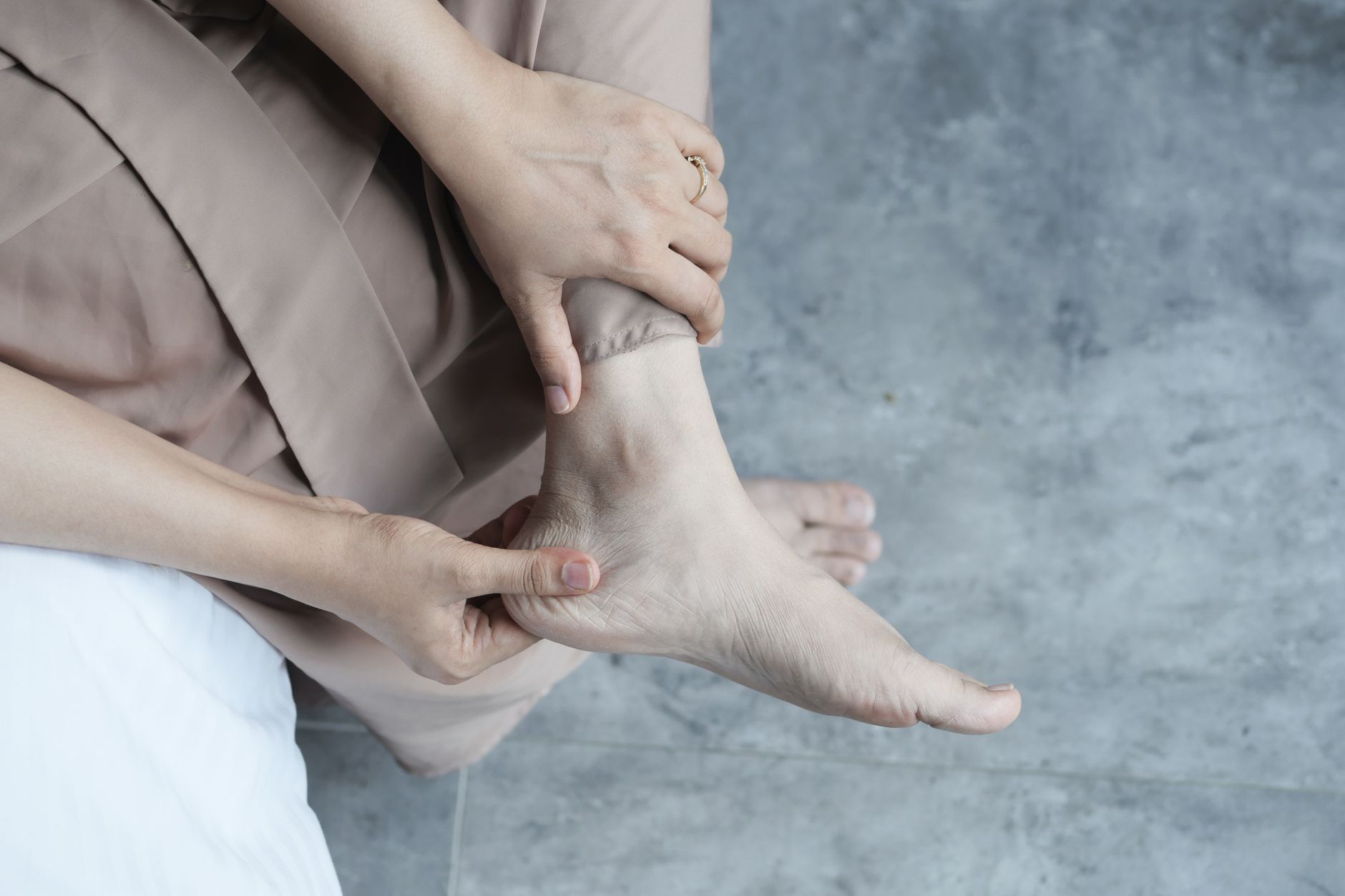
As any runner can tell you, your feet are your most valuable assets when you're pounding the pavement. They absorb the impact, provide propulsion, and keep you balanced. But with every stride, your feet endure significant stress. It's no surprise that many runners find themselves sidelined with a foot ailment at some point. While injuries can affect any part of the lower body, the feet seem to take a disproportionate amount of the wear and tear. From minor annoyances like blisters to more serious issues like stress fractures, these problems can put a serious damper on your training plans and your love for running. But don't let the fear of foot pain stop you from hitting the road or the trails! Understanding the common culprits, recognizing their signs, and adopting preventative measures can make a world of difference. This guide will walk you through the most frequent foot problems runners encounter, explain why they happen, how to spot them, and most importantly, how to treat and prevent them. Common Foot Problems for Runners Running involves repetitive motions that place immense pressure on your feet. Overdoing it, ignoring pain signals, or neglecting proper care can lead to a variety of foot issues. Let's explore some of the most prevalent ones: 1. Blisters: The Painful Annoyance Blisters might not seem like a major injury, but their sharp, stinging pain can be incredibly disruptive. They occur when there's excessive friction inside your shoe, often exacerbated by moisture from sweat. When your skin softens, areas that experience high pressure become more vulnerable. Tight shoes, poor sock choices, or even a shoe that doesn't fit quite right can create the perfect environment for blisters to form. Scenario: You're gearing up for your longest run of the week, excited to push your limits. Halfway through, you feel a hot spot on your heel, but you ignore it, thinking it will pass. By the time you finish, a painful blister has formed, making your next few runs agonizing. What to look for: A raised, fluid-filled pocket on the skin, often red and tender. Causes: Ill-fitting shoes, socks that bunch up, moisture, and excessive friction. Prevention: Ensure your shoes have adequate toe room for your foot to spread and grip. Choose shoes with the right flex that matches your foot's natural movement. Pay attention to seams, stitching, or closures inside your shoes that might cause rubbing. Wear moisture-wicking socks, and consider using anti-chafing balms on prone areas. Treatment: For small blisters, leave them intact to heal naturally. If a blister is large and painful, you can carefully drain it by sterilizing a needle, piercing the edge, and gently pressing out the fluid. Cover with a bandage and moleskin. 2. Black Toenails: Bruised and Unhappy This is a common sight for many runners, especially those training for long distances. It happens when your toenail is repeatedly pushed down into the nail bed, leading to bruising, inflammation, and sometimes, the eventual loss of the nail. Often, this is due to your toes rubbing against the front of your shoe, especially if the shoes are too small or your foot slides forward on downhill runs. What to look for: A dark discoloration (black, dark red, or purple) under the toenail. It might be painful to the touch. Causes: Shoes that are too short, foot sliding forward in shoes, improper lacing, and downhill running. Prevention: Make sure your running shoes are the right length, allowing about a thumb's width of space between your longest toe and the end of the shoe. Lace your shoes properly to minimize foot movement. Trim your toenails regularly, but not too short. Treatment: If there's no significant pain, the nail will likely grow out and fall off on its own. If it's painful and bulging, a podiatrist can carefully drain the accumulated blood. 3. Hallux Rigidus (Stiff Big Toe): When Your Toe Won't Bend The base of your big toe has a crucial joint, the metatarsophalangeal (MTP) joint, which bends every time you take a step. If this joint becomes stiff, running can become quite painful. Experts call this hallux rigidus, or stiff big toe. It can develop due to injury or simply from the repetitive stress of overuse, often linked to arthritis in that joint. What to look for: Pain and stiffness in the big toe joint, especially when pushing off during a run. You might notice a lump or bump on the top of the joint. Causes: Arthritis, previous toe injury, overuse, and genetics. Prevention: Choose shoes with a stiff sole or a rockered sole that reduces the need for the big toe to bend significantly during push-off. Avoid shoes with a very low toe box. Treatment: Anti-inflammatory medications can help manage pain. Sometimes, a stiff-soled shoe or a stiffener inserted into your shoe can provide relief. In more severe cases, physical therapy or even surgery may be considered. 4. Plantar Fasciitis: Heel Pain That Stops You Plantar fasciitis is a common and often debilitating condition causing inflammation of the plantar fascia. This is a thick band of tissue that runs from your heel bone across the bottom of your foot. With every step, it pulls on your heel, and the repetitive stress from running can easily inflame it, leading to sharp heel pain. Scenario: You wake up in the morning, and your first few steps feel like walking on sharp glass. The pain is most intense with your initial steps and then eases slightly as you warm up, but it returns after a long run or prolonged standing. What to look for: Sharp, stabbing pain in the bottom of your heel, especially with the first steps in the morning or after rest. Pain may lessen with activity but worsen afterwards. Causes: Overuse, tight calf muscles, flat feet or high arches, sudden increase in mileage or intensity, improper footwear. Prevention: Stretch your calves and the plantar fascia regularly. Wear supportive shoes, even when not running. Avoid going barefoot on hard surfaces. Gradually increase your running mileage and intensity. Treatment: Rest, ice, stretching exercises for the calf and plantar fascia, and over-the-counter pain relievers. Night splints can keep the fascia stretched overnight. Custom orthotics may be recommended for persistent cases. 5. Stress Fractures: Tiny Cracks, Big Problems These are small cracks in the bone, typically occurring in the foot or lower leg, caused by repetitive force or overuse without adequate time for healing. If a stress fracture isn't treated properly, it can progress to a complete bone fracture where the bone breaks through. They most commonly affect the metatarsals (the long bones in the foot) and the base of the fifth metatarsal (the bone on the outside of your foot). What to look for: Pain that worsens with activity and improves with rest. Tenderness and swelling over a specific bone. Causes: Sudden increase in training volume or intensity, inadequate rest, poor nutrition, and insufficient bone density. Prevention: Gradually increase your running distance and intensity. Ensure adequate calcium and Vitamin D intake for bone health. Wear supportive running shoes and replace them when they wear out. Listen to your body and rest when needed. Treatment: Rest is paramount. This often means a period of no weight-bearing activity, possibly using crutches or a walking boot. Gradual return to activity is guided by pain levels. When to Seek Professional Help While some foot discomfort can be managed at home, certain symptoms warrant a visit to a healthcare professional. Don't hesitate to consult a doctor or a podiatrist if you experience: Severe pain that prevents you from walking or bearing weight. Swelling that doesn't improve with rest. Pain that persists for more than a week or two despite home care. Any signs of infection, such as redness, warmth, or pus. A suspected stress fracture or broken bone. Preventing Foot Problems: A Runner's Toolkit Prevention is always better than cure. By incorporating these practices into your running routine, you can significantly reduce your risk of foot injuries: Proper Footwear: Invest in good quality running shoes that fit well and suit your foot type and running style. Replace them every 300-500 miles. Warm-Up and Cool-Down: Always warm up before a run with dynamic stretches that mimic running movements. After your run, cool down with static stretches, holding each stretch for 30 seconds, focusing on your calves, hamstrings, quadriceps, and hip flexors. Gradual Progression: Avoid increasing your mileage or intensity too quickly. Follow the 10% rule: don't increase your weekly mileage by more than 10%. Listen to Your Body: Pay attention to pain. Don't push through sharp or persistent pain. Rest and recovery are as important as the run itself. Strength Training: Incorporate exercises that strengthen the muscles in your feet, ankles, and lower legs. Cross-Training: Engage in low-impact activities like swimming or cycling to give your feet a break while maintaining cardiovascular fitness. Proper Nutrition: Ensure you have a balanced diet rich in calcium and Vitamin D to support bone health. Frequently Asked Questions (FAQ) Q1: How long does it take to
In summary, timely diagnosis, evidence-based treatment, and prevention-focused care improve long-term health outcomes.
Visit Hospital
Near You

Learn essential dynamic and static stretches for your inner thighs to improve flexibility, prevent injuries, and reduce muscle tension. Perfect for Indian readers seeking practical advice.
April 1, 2026

Discover simple yet effective glute stretches to relieve tightness, reduce back pain, and improve your mobility. Learn how to perform them safely at home or at your desk.
April 1, 2026

Squats and leg presses are both excellent for leg day, but they differ in muscle engagement, benefits, and risks. Learn which one is best for your fitness goals.
April 1, 2026