Understanding Stroke and the Need for Rehabilitation
A stroke, a critical medical event, occurs when the blood flow to a part of the brain is either significantly reduced or completely blocked. This interruption deprives brain cells of the vital oxygen they need to survive, leading to potential damage and loss of function. The consequences of a stroke can be far-reaching, affecting various bodily functions depending on the area of the brain impacted. It is estimated that over 40% of stroke survivors experience difficulties with movement or other neurological functions, highlighting the significant impact on daily life. The primary objective of stroke rehabilitation is to empower individuals to regain as much independence as possible.
The Crucial Role of Physical Therapy in Stroke Recovery
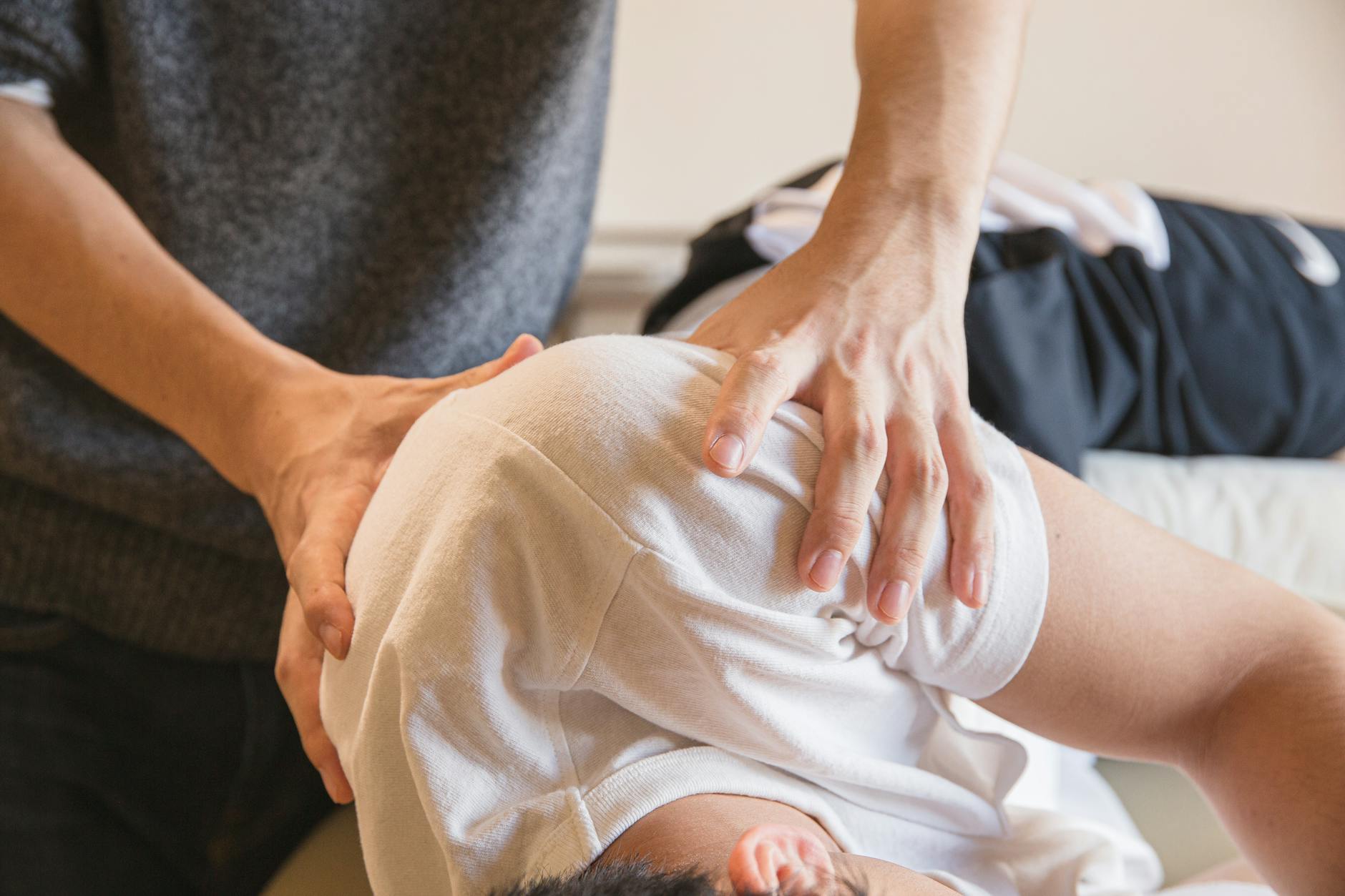
Physical therapy, often referred to as physiotherapy, stands as a cornerstone of stroke rehabilitation. It is a specialized form of therapy designed to mitigate the disabilities caused by a stroke and to enhance motor function. Through a tailored approach, physical therapists employ a range of techniques to help patients relearn and improve their ability to move. This can include exercises focused on balance, coordination, strength, and flexibility, all aimed at restoring lost skills and improving overall mobility.
How Physical Therapy Aids Stroke Recovery
Physical therapy plays a pivotal role in the recovery process by addressing the multifaceted challenges that arise after a stroke. It can help individuals regain:
- Proprioception: This is the body's ability to sense its position and movement in space. A stroke can impair this sense, leading to difficulties with balance and coordination.
- Motor Skills: Physical therapy helps in relearning essential motor patterns, such as walking, grasping objects, and performing everyday tasks.
- Muscle Strength and Endurance: Strokes can lead to muscle weakness and fatigue. Targeted exercises help rebuild strength and stamina.
- Balance and Coordination: Improving balance is crucial for preventing falls and regaining the ability to stand and walk independently.
- Flexibility: Stiffness and spasticity can occur after a stroke. Stretching and range-of-motion exercises help improve flexibility.
- Mobility: The ultimate goal is to improve the ability to move around, whether it's walking, using a wheelchair, or transferring between surfaces.
Key Techniques Used in Physical Therapy for Stroke Patients
Physical therapists utilize a variety of evidence-based techniques, customized to the individual's specific needs and the nature of their stroke. Some common methods include:
- Task-Oriented Training: This involves practicing real-life activities and motions, such as sitting up from a chair, reaching for objects, or performing daily routines. The focus is on relearning functional movements.
- Strength Training: Using resistance bands, weights, or bodyweight exercises, therapists help rebuild muscle strength in affected limbs.
- Constraint-Induced Movement Therapy (CIMT): In this approach, the unaffected limb is temporarily restrained, forcing the individual to use the weaker limb, thereby promoting neuroplasticity and functional recovery.
- Electrical Stimulation: This technique uses mild electrical currents to stimulate nerves and muscles, helping to re-educate muscles and improve their function.
- Biofeedback: Biofeedback helps patients gain conscious control over involuntary bodily functions, such as muscle activity, by providing real-time feedback on their physiological responses.
- Aquatic Therapy: Exercising in water can be beneficial as the buoyancy of water supports the body, reducing stress on joints and making movement easier. Research suggests it may significantly improve various stroke-induced disabilities.
- Treadmill Training: This involves walking on a treadmill, often with support, to improve gait, endurance, and cardiovascular health.
When to Start Physical Therapy After a Stroke
The timing of physical therapy initiation is crucial for optimal recovery. In many cases, rehabilitation can begin as early as 2 days after a stroke, provided the patient is in a stable condition. Early intervention is associated with reduced mortality rates and fewer complications. Research indicates that intensive physical therapy initiated shortly after a stroke leads to more rapid recovery. While the most significant improvements typically occur within the first 3 to 4 months post-stroke, the benefits of continued therapy can extend much longer. In fact, adding intensive motor rehabilitation between 60 to 90 days after the initial standard therapy may further enhance outcomes.
The Rehabilitation Journey: Inpatient and Outpatient Care
Stroke rehabilitation typically commences while the patient is still in the hospital. Initially, the focus might be on simple tasks, gradually progressing to more complex motor skills as recovery advances. Upon discharge from the hospital, the physical therapy program often continues, either at home or in an outpatient clinic setting. The physical therapist will provide a personalized home exercise program, including specific exercises and stretches, to support ongoing recovery. A significant majority of stroke patients (around 75.8% in one study) are referred for physical therapy, with the average time from hospital admission to referral being approximately 3 days.
Factors Influencing Physical Therapy Outcomes
The effectiveness of physical therapy can vary among individuals due to several factors:
- Location and Severity of the Stroke: The specific area of the brain affected and the extent of damage play a significant role in the type and degree of functional loss.
- Overall Health: Pre-existing medical conditions can influence recovery potential.
- Age: While age is a factor, older adults can still make significant progress with dedicated therapy.
- Motivation and Engagement: The patient's active participation and commitment to the therapy program are vital.
- Support System: A strong support network of family and friends can greatly aid in the recovery process.
When to Consult a Doctor
It is essential to seek immediate medical attention if you or someone you know experiences symptoms of a stroke. These can include sudden numbness or weakness in the face, arm, or leg, especially on one side of the body; sudden confusion, trouble speaking, or understanding speech; sudden trouble seeing in one or both eyes; sudden trouble walking, dizziness, loss of balance, or coordination; or a sudden severe headache with no known cause. If you have had a stroke, it is crucial to follow your doctor's recommendations regarding rehabilitation, including physical therapy. Regular follow-up appointments with your healthcare team are important to monitor your progress and adjust your treatment plan as needed.
Preventing Future Strokes
While rehabilitation is key after a stroke, prevention is equally important. Lifestyle modifications can significantly reduce the risk of future strokes:
- Manage Blood Pressure: High blood pressure is a major risk factor.
- Control Diabetes: Keeping blood sugar levels in check is vital.
- Maintain a Healthy Weight: Obesity increases stroke risk.
- Eat a Healthy Diet: Focus on fruits, vegetables, whole grains, and lean proteins. Limit salt, saturated fats, and processed foods.
- Exercise Regularly: Aim for at least 150 minutes of moderate-intensity aerobic activity per week.
- Limit Alcohol Intake: Excessive alcohol consumption can raise blood pressure.
- Quit Smoking: Smoking damages blood vessels and significantly increases stroke risk.
- Manage Heart Conditions: Conditions like atrial fibrillation increase stroke risk and require proper medical management.
Physical therapy is a powerful tool in the journey of stroke recovery, offering hope and tangible improvements in function and independence. By understanding the process and actively participating in rehabilitation, individuals can work towards reclaiming their lives after a stroke.