

Emergency & Help
24/7 Emergency & General Advisory
🚨 24/7 Medical Emergency
Non-Emergency Advisory
10:00 AM – 6:00 PM, Mon–Sat
For appointments & general queries.
24/7 Emergency & General Advisory
🚨 24/7 Medical Emergency
Non-Emergency Advisory
10:00 AM – 6:00 PM, Mon–Sat
For appointments & general queries.
Discover the fun and fitness benefits of roller skating! Learn about the muscles worked, calorie burn, indoor vs. outdoor skating, and how to get started safely.
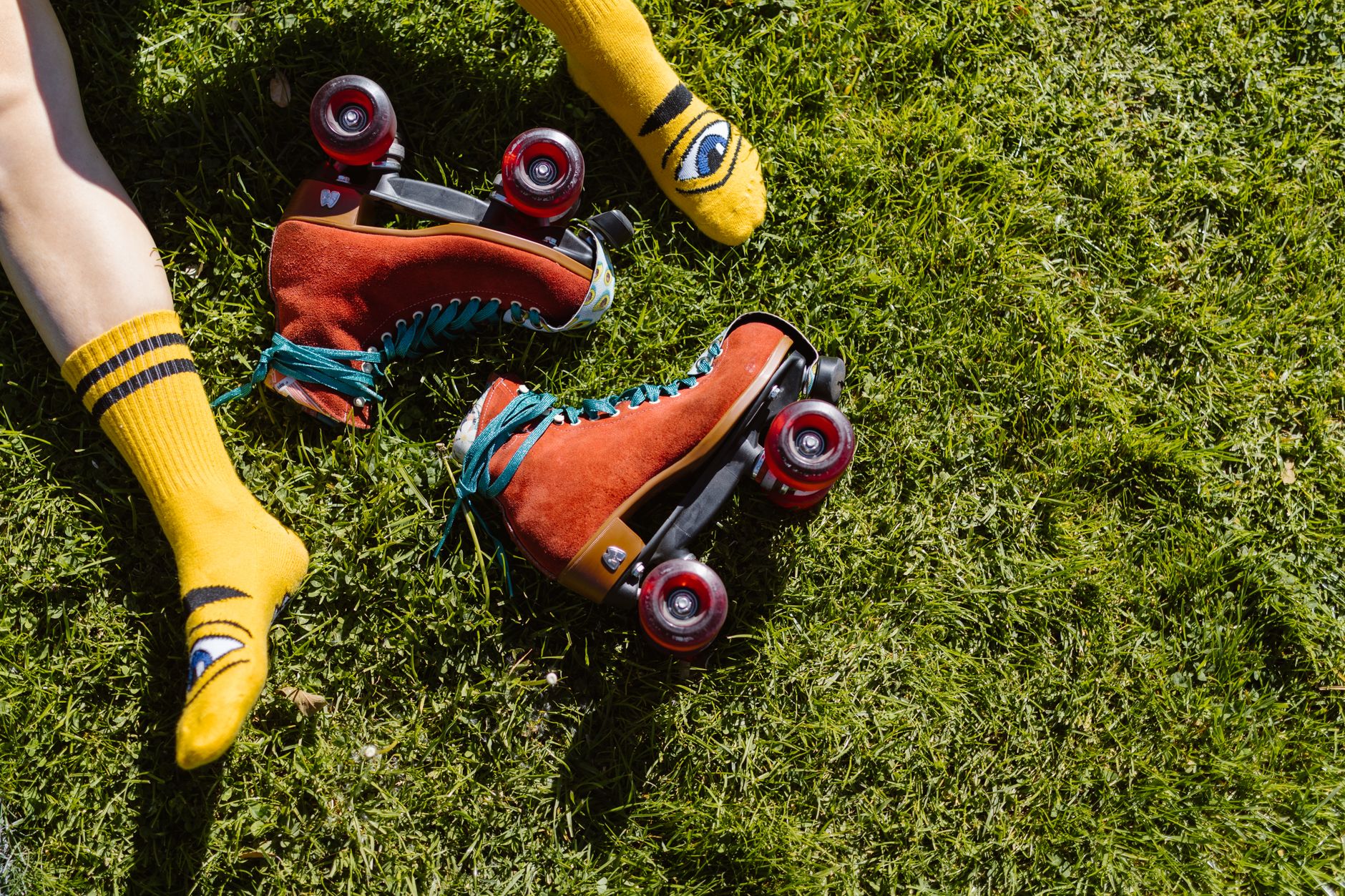
Remember those days of roller skating? Maybe you spent hours at the local rink, or perhaps you zipped around your neighbourhood. Whatever your memory, roller skating is making a massive comeback, and it's not just for nostalgia! Social media is buzzing with skaters showcasing their skills, and people are rediscovering what a fantastic workout this can be. But is roller skating genuinely good exercise? The short answer is a resounding YES! It’s a brilliant way to boost your strength, enhance your balance, build a strong core, and improve your cardiovascular fitness. Let’s dive into why rolling on wheels is more than just a hobby; it's a powerful tool for your health.
Roller skating offers a unique blend of cardiovascular conditioning and muscle engagement that many other exercises simply can't match. It’s an activity that’s both enjoyable and incredibly beneficial for your physical well-being. Think about it: you’re gliding, pushing, and balancing, all while enjoying the scenery if you're outdoors. This isn't just about burning calories; it's about building a resilient and capable body.
When you strap on a pair of skates, you’re engaging more muscles than you might think. Primarily, your lower body gets a serious workout. Your glutes, quadriceps, hamstrings, and calves are all working hard with every push and glide. But roller skating offers some special advantages, particularly for your glutes. The motion of pushing off isn't a straight backward push; it’s slightly outward. This specific movement truly activates your gluteus maximus, the primary muscle responsible for extending and rotating your hip. This isn't just about aesthetics; a well-balanced and strong gluteal group contributes to better body stability and can even help alleviate back pain caused by muscular imbalances. You also rely heavily on your gluteus medius, a muscle crucial for hip abduction – that side-to-side movement essential for skating.
Beyond your legs and backside, roller skating is a fantastic core workout. Staying upright and in control on those wobbly wheels demands constant stabilisation from your midsection. Your abdominal muscles, including the rectus abdominus, and the muscles along your spine, like the spinal erectors, work overtime to keep you balanced and stable. The rotator muscles in your abdomen and lower back also play a vital role. This comprehensive muscle engagement makes roller skating a full-body activity, with a particular emphasis on the posterior chain and core.
Wondering how many calories you can torch while skating? Roller skating has an impressive intensity rating, comparable to other popular exercises. It’s rated at about 7 METs (Metabolic Equivalents), placing it in the same league as group cycling or a moderate effort on a rowing machine. For a person weighing around 73 kg (160 pounds), maintaining a consistent, moderately vigorous pace for just 30 minutes can lead to burning approximately 267 calories. If you're skilled enough to maintain a brisk pace, roller skating can be an absolute calorie-burning powerhouse!
The cardiovascular benefits are significant too. As you skate, your heart rate increases, improving your endurance and strengthening your heart muscle. It’s a dynamic form of cardio that keeps your body engaged and your metabolism humming. Unlike some high-impact exercises, roller skating is surprisingly gentle on your joints. The smooth gliding motion reduces stress on your knees and ankles, making it a more accessible option for individuals who might experience discomfort with running or jumping activities.
The benefits of roller skating extend far beyond just a good sweat session. The improved balance and core stability you develop can translate into better overall body awareness and comfort in your daily movements. Reduced back pain is a commonly reported benefit, thanks to the balanced muscle development it encourages. Plus, if you get into practicing some fancy footwork or tricks, you’ll find your flexibility and mind-body connection sharpening considerably.
Choosing where to skate often comes down to personal preference and perhaps a bit of practical consideration. You can skate indoors at a roller rink or head outdoors. If you plan to do both regularly, you might consider having two pairs of skates or being prepared to switch out your wheels.
When skating indoors, you might be subject to rink schedules and entry fees. Outdoor skating offers more freedom but requires careful attention to the ground surface and potential obstacles.
Ready to roll? Here’s how to begin your roller skating journey:
While roller skating is generally safe and beneficial, it's always wise to consult your doctor before starting any new exercise program, especially if you have pre-existing health conditions. This is particularly important if you have:
Your doctor can provide personalised advice and help you determine if roller skating is appropriate for you and how to start safely.
Absolutely! Roller skating is a fantastic, low-impact exercise that offers a comprehensive workout for your lower body and core. It improves cardiovascular health, burns calories, enhances balance and stability, and can even help alleviate back pain. With its growing popularity and accessibility, there’s never been a better time to get on wheels and experience the joy and health benefits for yourself. So, lace up those skates and get ready for a fun, effective, and invigorating way to stay fit!
Q1: Is roller skating harder than ice skating?
A1: Roller skating and ice skating engage similar muscles, but the mechanics are different. Roller skating requires more balance on wheels, while ice skating involves gliding on a thin blade on ice. Many find roller skating slightly easier to start with due to the stability of wheels on a solid surface.
Q2: Can roller skating help me lose weight?
A2: Yes! As discussed, roller skating is an excellent calorie burner. Consistent skating, combined with a healthy diet, can significantly contribute to weight loss efforts.
Q3: What are the risks of roller skating?
A3: The primary risks include falls, leading to sprains, fractures, or bruises. It’s essential to wear protective gear and skate in safe environments to minimise these risks.
Q4: How often should I roller skate?
A4: Aim for at least 30 minutes of moderate-intensity skating most days of the week for optimal cardiovascular benefits. Start with shorter, less frequent sessions and gradually increase as your fitness improves.
Q5: Can roller skating improve my athletic performance in other sports?
A5: Definitely! The improved leg strength, core stability, and balance developed through roller skating can positively impact performance in many other sports, from running to team sports.
Visit Hospital
Near You

Learn essential dynamic and static stretches for your inner thighs to improve flexibility, prevent injuries, and reduce muscle tension. Perfect for Indian readers seeking practical advice.
April 1, 2026

Discover simple yet effective glute stretches to relieve tightness, reduce back pain, and improve your mobility. Learn how to perform them safely at home or at your desk.
April 1, 2026

Squats and leg presses are both excellent for leg day, but they differ in muscle engagement, benefits, and risks. Learn which one is best for your fitness goals.
April 1, 2026