

Emergency & Help
24/7 Emergency & General Advisory
🚨 24/7 Medical Emergency
Non-Emergency Advisory
10:00 AM – 6:00 PM, Mon–Sat
For appointments & general queries.
24/7 Emergency & General Advisory
🚨 24/7 Medical Emergency
Non-Emergency Advisory
10:00 AM – 6:00 PM, Mon–Sat
For appointments & general queries.
Explore the vital role of physical therapy in managing cerebral palsy (CP). Learn about different therapy approaches, benefits, finding a therapist, and at-home exercises for improved mobility and quality of life.
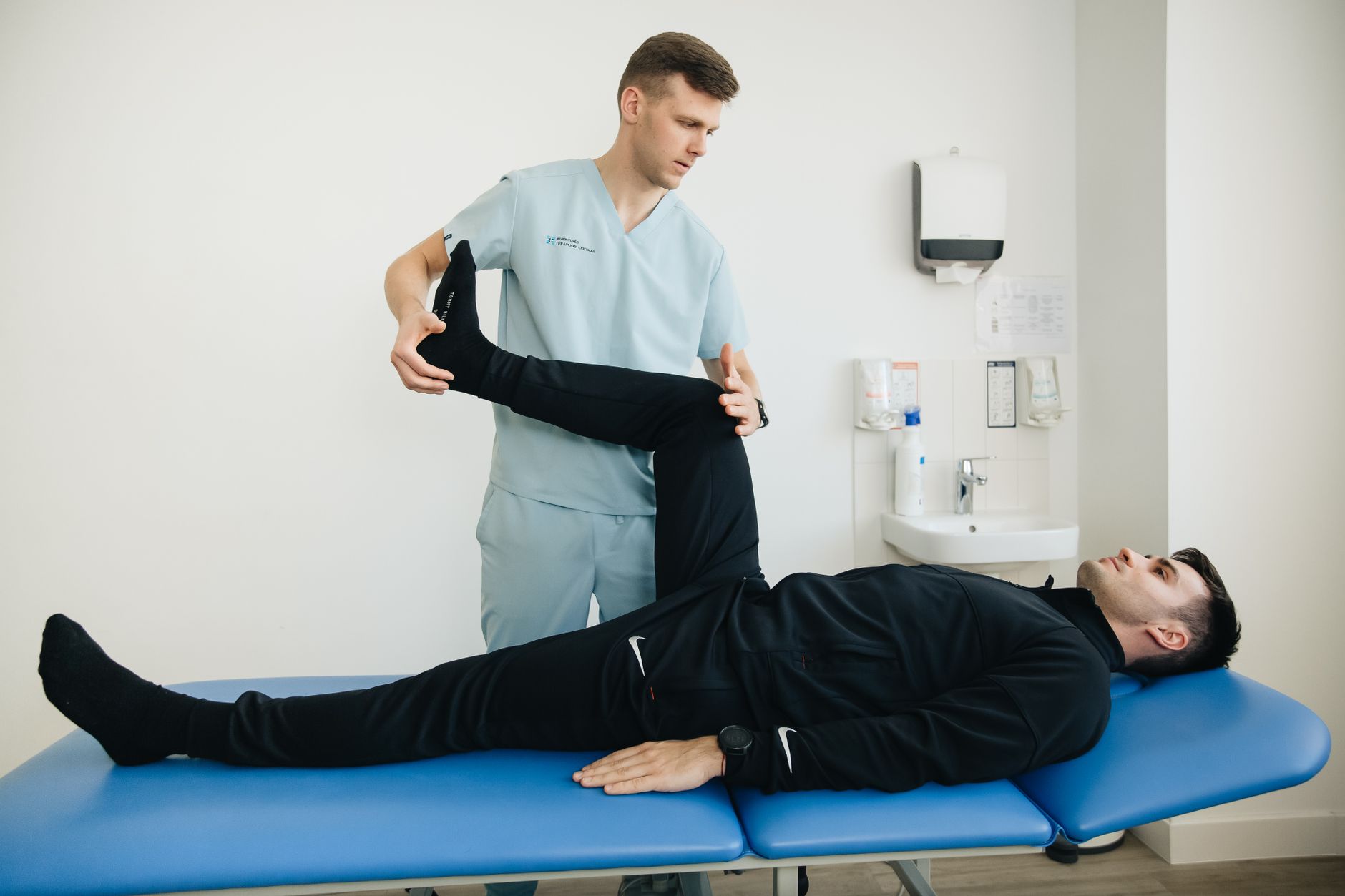
What is Cerebral Palsy (CP)? Cerebral Palsy (CP) is not a single disease but rather an umbrella term used to describe a group of disorders that affect a person's ability to move and maintain balance and posture. These conditions arise from abnormalities in the parts of the brain that control movement, often occurring during fetal development, childbirth, or early infancy. While there is no cure for CP, a comprehensive treatment plan, with physical therapy at its core, can significantly improve a person's quality of life, enhance daily functioning, and reduce the risk of future health complications. The Importance of Physical Therapy for Cerebral Palsy Physical therapy, also known as physiotherapy, is a cornerstone of managing cerebral palsy. It employs a variety of physical exercises and therapeutic techniques to enhance movement, improve coordination, increase strength, and reduce pain. For individuals with CP, physical therapy is often one of the first and most critical interventions initiated. A dedicated physical therapist works as part of a multidisciplinary care team, focusing on improving the patient's motor skills, balance, and overall physical function. This proactive approach helps mitigate potential secondary health issues that can arise from mobility challenges. Key Benefits of Physical Therapy in CP Management: Improved Motor Skills: Enhances gross and fine motor skills, making everyday tasks easier. Enhanced Balance and Coordination: Reduces the risk of falls and improves stability. Increased Strength: Builds muscle strength to support movement and posture. Reduced Spasticity and Pain: Manages muscle stiffness and discomfort associated with CP. Better Mobility: Facilitates walking, crawling, and other forms of movement. Prevention of Complications: Helps prevent issues like contractures (shortening of muscles) and scoliosis (curvature of the spine). Increased Independence: Empowers individuals to perform daily activities with greater autonomy. Types of Physical Therapy Approaches for CP The best physical therapy approach for cerebral palsy is tailored to the individual's specific needs, symptoms, and subtype of CP. However, research highlights several evidence-based methods that have proven particularly effective: 1. Functional-Based Training: This approach focuses on improving skills needed for everyday activities. It involves practicing real-life movements and tasks, making therapy directly applicable to daily living. Studies indicate that functional-based training can lead to significant improvements across all subtypes of CP. 2. Constraint-Induced Movement Therapy (CIMT): CIMT involves restraining the unaffected limb to encourage the use of the affected limb. This method is particularly useful for improving the function of the weaker side of the body. 3. Strength Training: Targeted exercises to build muscle mass and strength are crucial for supporting movement, improving posture, and enhancing overall physical capacity. This can include resistance exercises using weights, bands, or body weight. 4. Gait Training: This focuses specifically on improving walking patterns. Therapists use various techniques, including assistive devices and specialized exercises, to help individuals walk more efficiently and safely. 5. Stretching and Massage: Regular stretching helps to maintain muscle flexibility, prevent contractures, and reduce spasticity. Massage can also help relax tight muscles and alleviate discomfort. 6. Balance Training: Exercises designed to improve balance are vital for preventing falls and enhancing stability, especially when standing or walking. Other Important Therapies for Cerebral Palsy While physical therapy is central, a holistic approach often includes other forms of therapy: Occupational Therapy (OT): OT focuses on helping individuals perform daily tasks more easily. This can include learning adaptive techniques for eating, dressing, writing, and other activities of daily living. OT also provides recommendations for assistive devices and home modifications. Speech and Language Therapy (SLT): Many individuals with CP experience challenges with speech, swallowing, and breathing due to muscle control issues. SLT works on improving these functions, enhancing communication and safety during meals. Recreational Therapy: This therapy uses enjoyable activities like art, music, and cooking to improve skills, promote physical activity, and boost mental well-being. It's a great way to engage individuals and improve their overall quality of life. Finding the Right Physical Therapist The first step in accessing physical therapy is to consult with a doctor. Your primary care physician or pediatrician can provide a referral to a qualified physical therapist. It's essential to find a therapist who has experience working with children and adults with cerebral palsy. When choosing a therapist, consider: Experience and Specialization: Look for therapists with specific training and experience in pediatric physical therapy or neurological rehabilitation. Communication: Ensure the therapist communicates effectively with you and your child, explaining the treatment plan and progress clearly. Location and Accessibility: Choose a clinic that is conveniently located and accessible. Insurance Coverage: Verify that the therapist and clinic are covered by your health insurance plan. At-Home Exercises and Prevention While professional therapy is crucial, certain exercises can be incorporated into a home routine to complement treatment. Always consult your physical therapist before starting any new exercises at home. They can guide you on appropriate movements, repetitions, and safety precautions. General Principles for Home Exercises: Consistency is Key: Regular practice yields the best results. Focus on Safety: Ensure a safe environment to prevent falls or injuries. Gentle Movements: Avoid overexertion; movements should be controlled and pain-free. Incorporate Play: For children, make exercises fun and engaging through games. Examples of Home-Based Activities (Consult Therapist First): Stretching: Gentle passive or active stretches for major muscle groups. Balance Activities: Standing on one leg (with support), walking heel-to-toe. Strengthening: Simple exercises like sit-to-stands, wall push-ups, or using resistance bands. Coordination Games: Activities that require hand-eye coordination, like catching a soft ball. When to Consult
In summary, timely diagnosis, evidence-based treatment, and prevention-focused care improve long-term health outcomes.
Visit Hospital
Near You

Learn essential dynamic and static stretches for your inner thighs to improve flexibility, prevent injuries, and reduce muscle tension. Perfect for Indian readers seeking practical advice.
April 1, 2026

Discover simple yet effective glute stretches to relieve tightness, reduce back pain, and improve your mobility. Learn how to perform them safely at home or at your desk.
April 1, 2026

Squats and leg presses are both excellent for leg day, but they differ in muscle engagement, benefits, and risks. Learn which one is best for your fitness goals.
April 1, 2026