

Emergency & Help
24/7 Emergency & General Advisory
🚨 24/7 Medical Emergency
Non-Emergency Advisory
10:00 AM – 6:00 PM, Mon–Sat
For appointments & general queries.
24/7 Emergency & General Advisory
🚨 24/7 Medical Emergency
Non-Emergency Advisory
10:00 AM – 6:00 PM, Mon–Sat
For appointments & general queries.
Discover how yoga can significantly boost athletic performance, improve flexibility, enhance mental focus, and aid in injury prevention for athletes of all levels.
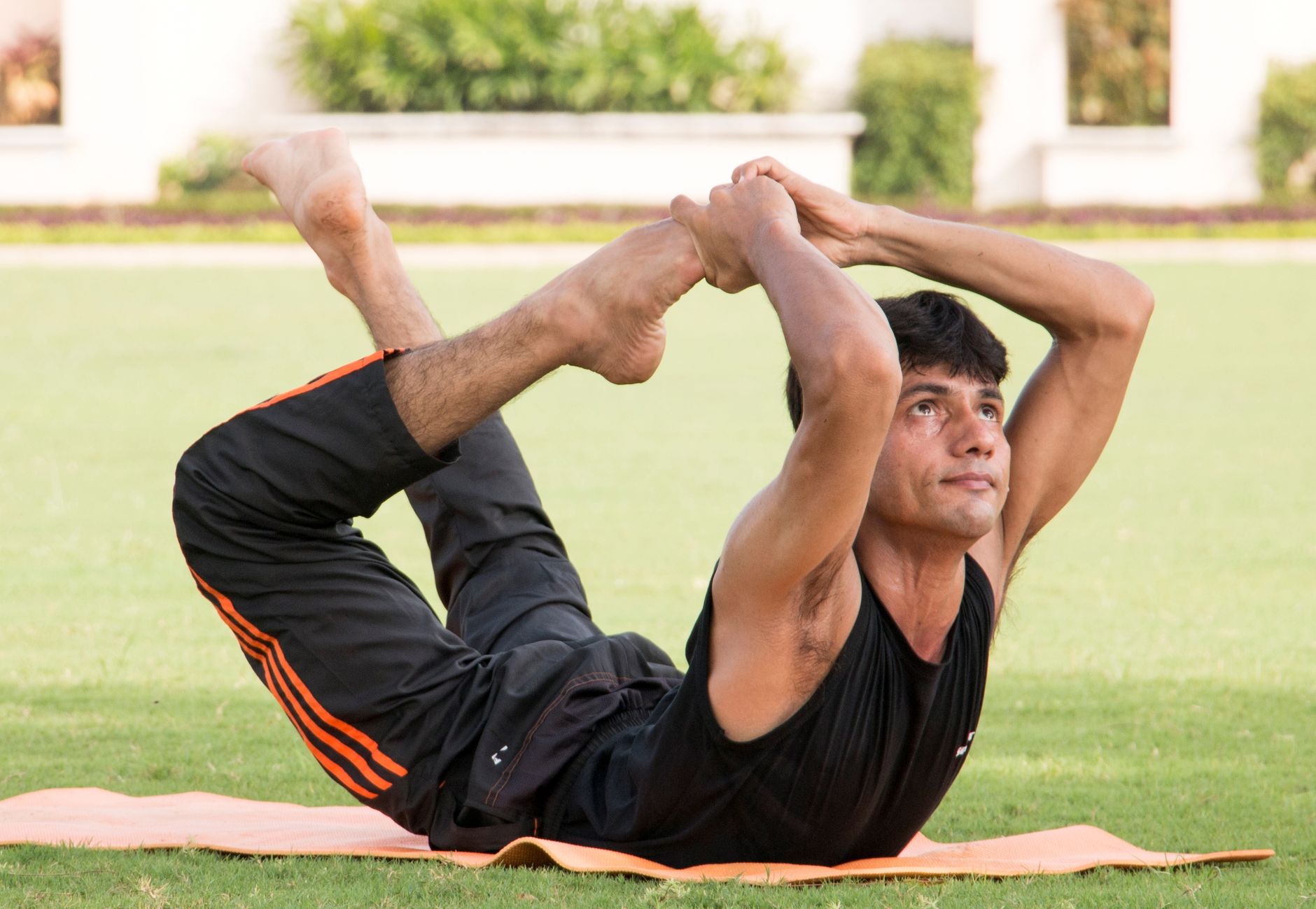
Athletes push their bodies to the limit, striving for peak performance. While rigorous training is essential, recovery and injury prevention are equally vital. Have you ever considered how a practice like yoga, often associated with tranquility, could actually enhance athletic capabilities? Many athletes overlook the profound physical and mental benefits yoga offers, not just for relaxation, but for tangible improvements in flexibility, strength, balance, and mental resilience. This isn't about turning into a yogi overnight; it's about strategically incorporating yoga into your training regimen to unlock a new level of performance and safeguard your body against the demands of your sport.
The connection between yoga and athletic success is backed by growing research. A 2017 review of studies highlighted how consistent mindfulness practice, a core component of yoga, significantly improved focus and performance in precision sports like shooting and dart throwing. Imagine maintaining that calm concentration during a critical game-winning shot or a crucial sprint – yoga can help build that mental fortitude.
More recently, a 2020 study involving 31 male soccer players offered compelling evidence. Those who participated in a 10-week yoga program reported reduced fatigue and muscle soreness, alongside better injury prevention. While they noted a temporary dip in overall well-being post-program, researchers theorize this might stem from a heightened awareness of existing distress, a common initial effect of increased self-awareness. This temporary phase often gives way to greater emotional regulation and resilience.
In another small 2018 study, researchers explored the use of hot yoga as a heat stress technique for 10 elite female field hockey players. The findings suggested that hot yoga could enhance cardiovascular performance and plasma volume, positively impacting the body's ability to regulate temperature during intense exercise. This is particularly relevant for athletes competing in hot climates or during summer months.
Yoga offers a multifaceted approach to athletic development, targeting areas often neglected in traditional training:
Athletic movements require a broad range of motion. Yoga poses, especially those held for longer durations like in Yin or Restorative yoga, gently lengthen muscles and connective tissues. This increased flexibility can translate to more efficient movement, reduced risk of muscle tears, and improved recovery after strenuous activity. Think of a sprinter whose stride length increases, or a swimmer with a wider, more powerful stroke.
Many sports demand exceptional balance and coordination. Poses that challenge your stability, like Tree Pose or Warrior III, strengthen the small stabilizing muscles in your feet, ankles, and core. This translates directly to better control on the field, court, or track, reducing the likelihood of falls and missteps.
While not always obvious, many yoga poses require significant muscular engagement. Holding poses like Plank or Downward-Facing Dog builds isometric strength, which is crucial for maintaining posture and stability during dynamic movements. Certain Vinyasa flows can also elevate your heart rate, contributing to cardiovascular endurance.
The mental game in sports is often as important as the physical. Yoga cultivates mindfulness by encouraging you to focus on your breath and the present moment. This heightened awareness can translate to better concentration during competition, improved decision-making under pressure, and a greater ability to manage performance anxiety.
The physical exertion and competitive pressures of sports can take a toll on an athlete's mental and physical well-being. Yoga's emphasis on breathwork and relaxation techniques helps to lower cortisol levels (the stress hormone) and promotes a sense of calm. This can lead to improved sleep quality, which is essential for muscle repair and overall recovery.
By improving flexibility, balance, and body awareness, yoga helps athletes identify and correct muscular imbalances that could lead to injury. For those recovering from an injury, gentle yoga can be a valuable tool in the rehabilitation process, helping to restore mobility and strength without overstressing the body.
Not all yoga is created equal when it comes to athletic benefits. Certain styles and poses are particularly well-suited:
For athletes focused on recovery and flexibility, styles like Yin Yoga and Restorative Yoga are highly recommended. Yin yoga involves holding passive stretches for longer periods (up to 5 minutes), targeting deeper connective tissues. Restorative yoga uses props like bolsters and blankets to support the body in gentle poses, promoting deep relaxation and stress relief.
Hatha yoga, performed at a slower pace, is also beneficial. While some poses can be challenging, the focus on foundational postures and breath control makes it accessible and effective for building strength and improving alignment.
A typical routine should include poses that allow for muscle lengthening and relaxation. Aim for a balanced practice that addresses major muscle groups used in your sport.
Consistency is key. It's generally more beneficial to practice yoga for shorter durations daily or several times a week rather than engaging in only one or two long sessions.
Scenario: Imagine a marathon runner who experiences persistent tightness in their hamstrings and calves. Instead of just stretching them aggressively post-run, incorporating 20-30 minutes of Yin yoga three times a week, focusing on poses like Downward-Facing Dog and specific hamstring stretches, could provide deeper relief and improve their stride efficiency.
For strenuous athletes: Balance intense training with slower-paced, gentle yoga styles. Your routine should prioritize poses that help you relax, lengthen muscles, and improve your overall range of motion. Consider incorporating sequences that focus on recovery and flexibility, such as those found in Hatha or Restorative yoga.
While many athletes can benefit from a self-guided yoga practice, working with a qualified yoga instructor, especially one experienced with athletes, can be invaluable. They can:
A yoga professional can guide you in understanding your body's signals and how to use yoga as a powerful tool for both performance enhancement and injury prevention.
No, yoga is not typically a replacement for traditional strength training but rather a complementary practice. While yoga builds strength, it often focuses on isometric holds and bodyweight resistance, which may not provide the same level of progressive overload needed for maximal strength gains in some sports. It excels in building functional strength, flexibility, and endurance.
Many athletes report feeling immediate benefits such as reduced muscle soreness and a sense of calm after a yoga session. However, significant improvements in flexibility, balance, and mental focus often become more apparent after several weeks of consistent practice. Listen to your body; progress is often gradual and cumulative.
This is a common misconception! Yoga is for every body, regardless of flexibility. Beginners should focus on proper alignment and breath rather than trying to achieve the deepest expression of a pose. Instructors can offer modifications, and poses like Downward-Facing Dog can be modified with bent knees. The goal is to improve flexibility over time, not to be flexible from day one.
Absolutely. Gentle yoga, particularly Restorative and Yin styles, is excellent for post-exercise recovery. It helps to reduce muscle soreness, improve circulation, release tension, and promote relaxation, all of which are crucial for the body's repair processes.
It depends on your goals. A gentle, dynamic yoga sequence focused on breath and light movement can be a good warm-up. However, for most athletes, practicing yoga after a workout or on rest days is more beneficial for improving flexibility, aiding recovery, and preventing injury. Avoid intense yoga sessions immediately before strenuous activity.
Visit Hospital
Near You

Learn essential dynamic and static stretches for your inner thighs to improve flexibility, prevent injuries, and reduce muscle tension. Perfect for Indian readers seeking practical advice.
April 1, 2026

Discover simple yet effective glute stretches to relieve tightness, reduce back pain, and improve your mobility. Learn how to perform them safely at home or at your desk.
April 1, 2026

Squats and leg presses are both excellent for leg day, but they differ in muscle engagement, benefits, and risks. Learn which one is best for your fitness goals.
April 1, 2026