

Emergency & Help
24/7 Emergency & General Advisory
🚨 24/7 Medical Emergency
Non-Emergency Advisory
10:00 AM – 6:00 PM, Mon–Sat
For appointments & general queries.
24/7 Emergency & General Advisory
🚨 24/7 Medical Emergency
Non-Emergency Advisory
10:00 AM – 6:00 PM, Mon–Sat
For appointments & general queries.
Learn how to find the perfect running shoes for your feet. This guide covers measuring, understanding shoe types, and what to look for during try-on to prevent injuries and enhance your runs.
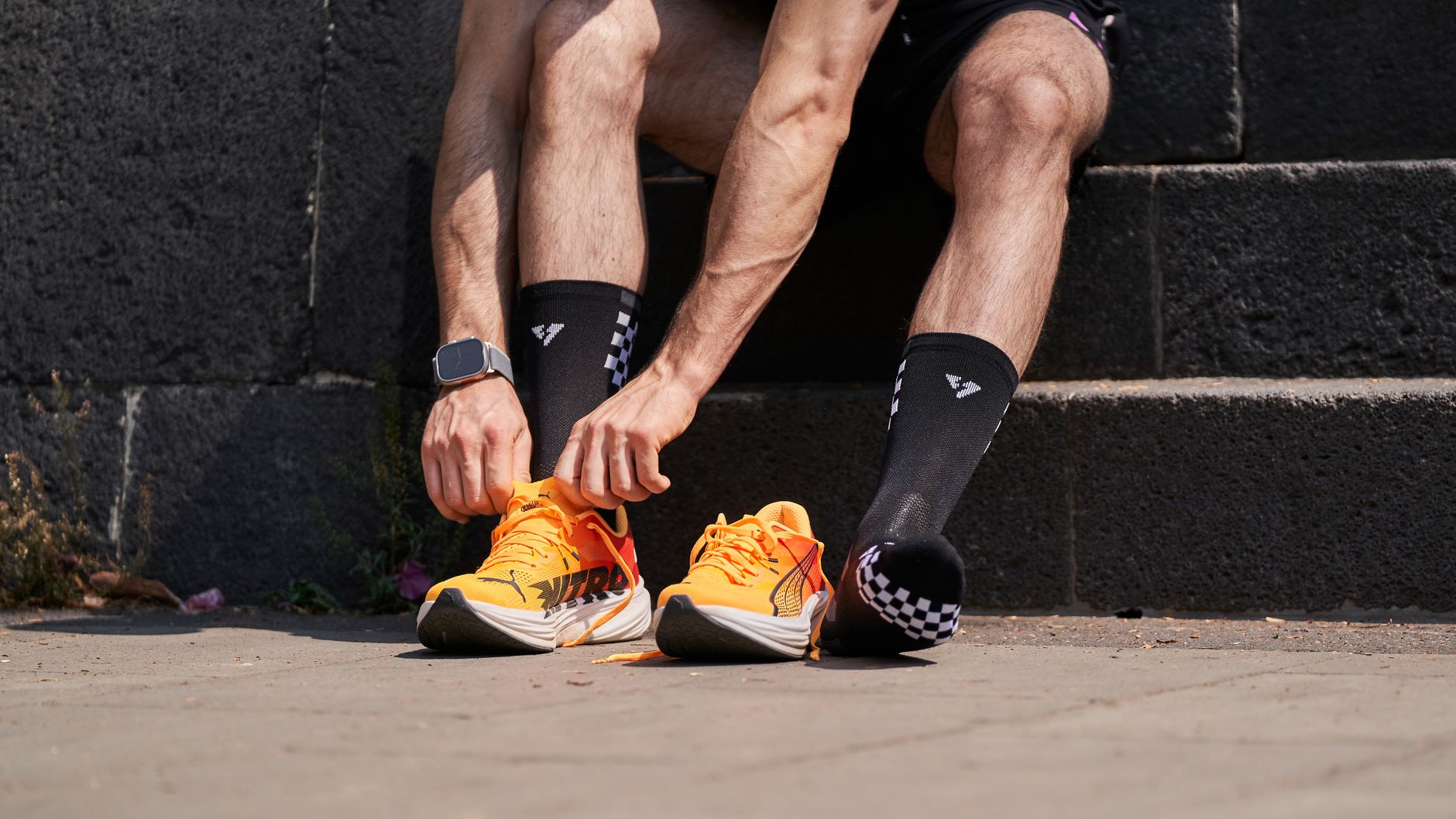
Hitting the road or the treadmill for a run is a fantastic way to boost your health and well-being. But, if your running shoes don’t fit right, that exhilarating experience can quickly turn into a painful ordeal. Blisters, sore toes, and aching arches are common complaints, and they often stem from one simple issue: improper shoe fit.
Many runners, especially those new to the sport, overlook the importance of a well-fitting shoe, assuming any athletic shoe will do. However, running puts unique stresses on your feet. Your feet expand with each stride, and the impact can be significant. Choosing the right running shoe isn't just about comfort; it’s about preventing injuries, improving performance, and making your runs more enjoyable.
Think about your last run. Did you notice any pinching, rubbing, or excessive movement within your shoes? Perhaps your toes felt cramped, or your heel slipped with every step. These are tell-tale signs that your current footwear might not be the best match for your feet. Finding the right pair can feel daunting with so many options available, but with a little knowledge, you can confidently select shoes that support your every stride.
This guide will walk you through the essential steps to ensure your running shoes fit perfectly, from understanding your foot’s needs to trying on shoes like a pro. We’ll cover measuring your feet, understanding shoe sizing, and what to look for when you lace up. Let’s get your feet ready for their best run yet!
Before you even step into a shoe store, take a moment to understand your feet. They are the foundation of your running.
This is the most critical first step. Don't rely on your old shoe size; feet can change over time.
Running shoe sizes often differ from your everyday shoes. It’s common for running shoes to be a half-size larger than your casual shoes. This extra space is vital for accommodating foot swelling during runs and allowing your toes to splay naturally with each impact.
A shoe that's too short can lead to bruised toenails and blisters. A shoe that’s too narrow can cause discomfort and potentially lead to conditions like bunions or hammertoes over time. Conversely, a shoe that’s too wide might not offer enough support, allowing your foot to slide around, which can also cause friction and blisters.
Once you have a good understanding of your measurements, it’s time to hit the store. The goal is to find shoes that feel secure yet allow for natural foot movement.
This is a simple yet effective way to ensure you have enough toe room. With the shoe on and your heel snug against the back, there should be about a half to a full thumb’s width (approximately 1/2 to 1 inch) of space between the end of your longest toe and the front of the shoe. This space is crucial for preventing your toes from hitting the end of the shoe during your run.
The shoe should feel snug around the midfoot and heel, but not tight. You should be able to comfortably pinch a bit of the shoe's upper material on the sides and top. This indicates that the shoe isn’t too wide. Your foot should feel supported and stable, without excessive movement inside the shoe. This is where understanding your gait can be helpful.
Some specialty running stores offer gait analysis, a service that observes how your foot moves when you walk or run. This helps determine your pronation level – how much your foot rolls inward upon impact. The three main categories of running shoes are based on this:
If you’re unsure about your pronation, a professional at a running store can help, or you can consult a podiatrist.
Your heel should feel comfortably locked in place. There shouldn’t be any significant slipping when you walk or run. If you have a naturally narrow heel, don't despair! Many shoes have lacing techniques or you can purchase inexpensive heel grips or inserts to improve the fit.
Never buy running shoes without testing them. Most reputable stores allow you to take a short jog or run around the store. Pay attention to:
A well-fitting shoe should essentially “disappear” from your mind as you run. If you're constantly aware of your shoes, noticing pinching, rubbing, or discomfort, they are likely not the right fit.
Even with the best intentions, it's easy to make mistakes. Be aware of these common pitfalls:
If you're experiencing persistent foot pain, have a history of running-related injuries, or are unsure about your gait and foot type, seeking professional advice is a wise decision. A podiatrist or a physical therapist specializing in sports medicine can provide expert guidance, conduct a thorough assessment, and recommend the best types of shoes for your specific needs.
Generally, running shoes should be replaced every 300-500 miles (about 500-800 kilometers) or after 6-12 months of use, depending on your mileage and the shoe's durability. Look for signs of wear, such as worn-out treads, compressed midsole cushioning, or a loss of support.
While running shoes offer excellent cushioning and support for running, they aren't ideal for all activities. Their specialized design is optimized for forward motion. For activities like cross-training, gym workouts, or court sports, it's better to use shoes designed for those specific movements to prevent injury and ensure proper support.
Running shoes are designed for the repetitive impact and forward motion of running, offering more cushioning and shock absorption, especially in the forefoot and heel. Walking shoes are typically more flexible and designed for a heel-to-toe rolling motion, with less emphasis on heavy impact absorption.
This is a common issue, especially for those with narrower heels. You can try a “heel lock” lacing technique, which uses the extra eyelets at the top of the shoe to secure your heel. Alternatively, you can purchase inexpensive gel or foam heel grips that adhere to the inside of the shoe to create a more snug fit.
Investing time and care in finding the right running shoes is one of the best things you can do for your running journey. A proper fit ensures comfort, prevents injuries, and helps you enjoy every mile. Happy running!
Visit Hospital
Near You

Learn essential dynamic and static stretches for your inner thighs to improve flexibility, prevent injuries, and reduce muscle tension. Perfect for Indian readers seeking practical advice.
April 1, 2026

Discover simple yet effective glute stretches to relieve tightness, reduce back pain, and improve your mobility. Learn how to perform them safely at home or at your desk.
April 1, 2026

Squats and leg presses are both excellent for leg day, but they differ in muscle engagement, benefits, and risks. Learn which one is best for your fitness goals.
April 1, 2026