

Emergency & Help
24/7 Emergency & General Advisory
🚨 24/7 Medical Emergency
Non-Emergency Advisory
10:00 AM – 6:00 PM, Mon–Sat
For appointments & general queries.
24/7 Emergency & General Advisory
🚨 24/7 Medical Emergency
Non-Emergency Advisory
10:00 AM – 6:00 PM, Mon–Sat
For appointments & general queries.
Stay updated with our latest healthcare news and your appointments.
Learn the vital CAB steps of first aid: Circulation, Airway, and Breathing. This guide provides practical instructions for emergency situations, emphasizing immediate action and life-saving techniques for Indian readers.
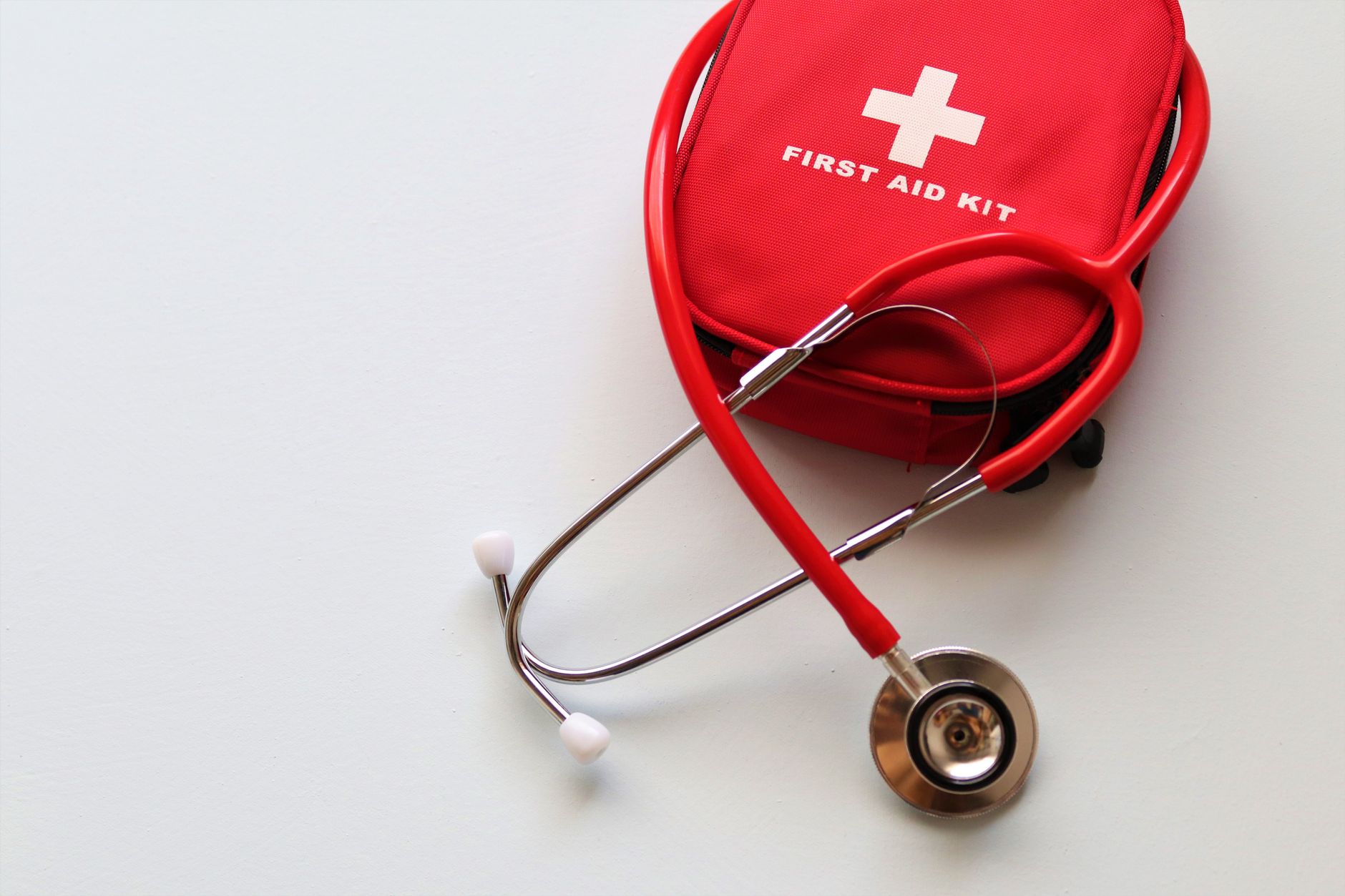
Emergencies can strike anyone, anywhere, at any time. In those critical moments when seconds count, knowing how to provide immediate care can make a life-saving difference. This is where first aid comes in. First aid is the initial assistance given to an injured or suddenly ill person before professional medical help arrives. It's not about replacing doctors or paramedics, but about bridging the gap, stabilizing the situation, and preventing further harm. The principles of first aid are often summarized by a simple yet powerful acronym: the ABCs. However, recent updates in emergency medical protocols have shifted this to CAB, emphasizing immediate action where it matters most. Let's explore what these mean and how you can apply them to help someone in need.
The traditional 'ABCs' of first aid stood for Airway, Breathing, and Circulation. These were the steps emergency responders and first-aiders were taught to assess and manage a casualty. However, the American Heart Association updated its guidelines in 2010, introducing the 'CAB' sequence: Circulation, Airway, and Breathing. This change was made to prioritize immediate chest compressions for individuals who are unresponsive and not breathing normally, as restoring blood flow is often the most critical first step.
The 'C' in the updated CAB sequence stands for Circulation. This involves checking for signs of circulation, primarily by looking for severe bleeding and, if necessary, performing chest compressions. In a real-life emergency, imagine you're walking down the street and witness a severe accident. A person is lying on the ground, and there's a significant amount of blood pooling around them. Your immediate thought shouldn't be 'Is their airway open?' but rather, 'Is there life-threatening bleeding?'
Before anything else, assess if the person has any severe, life-threatening bleeding. If you see blood spurting or gushing, or if a wound is so deep that organs are visible, this is a critical situation. Your immediate actions should be:
If there's no severe bleeding or after you've controlled it, and the person is unconscious or unresponsive, you need to check for signs of circulation, which primarily relates to the heart's function. If the person is not breathing normally or showing any signs of life, chest compressions are vital. This is the core of Cardiopulmonary Resuscitation (CPR).
Performing Chest Compressions:
For children, use one or two hands depending on their size, and compress the chest about 2 inches deep. For infants (under one year old), use two fingers to compress the chest about 1.5 inches deep.
Once circulation (or potential circulation issues like bleeding) is addressed, the next step is to ensure the person's airway is clear. A blocked airway prevents air from reaching the lungs, which is essential for survival.
For an unconscious or unresponsive person, you need to open their airway using the head-tilt/chin-lift maneuver:
Be careful not to press on the soft tissue under the chin, as this can block the airway. Ensure the person is on a firm, flat surface.
With the airway open, you now check if the person is breathing normally. This is a critical step to determine if rescue breaths are needed.
Use the 'Look, Listen, and Feel' method:
Continue this check for no more than 10 seconds. Normal breathing means the chest is rising and falling rhythmically, and you can hear or feel breaths. Gasping or irregular breaths are not considered normal breathing.
If the person is not breathing normally, you will need to provide rescue breaths as part of CPR. After performing 30 chest compressions, open the airway again using the head-tilt/chin-lift maneuver. Pinch the person's nostrils shut, seal your mouth over theirs, and give two rescue breaths. Each breath should last about 1 second, and you should see the person's chest rise. Then, immediately resume chest compressions.
For unresponsive individuals not breathing normally, the standard CPR protocol involves cycles of 30 chest compressions followed by 2 rescue breaths. Continue these cycles until:
Remember, even if you're unsure, doing something is always better than doing nothing. Your actions can provide critical support until professional help arrives.
Before you even approach a person who needs help, assess the scene for safety. Is there ongoing danger, such as traffic, fire, or electrical hazards? If the area is not safe, do not put yourself at risk. Move yourself and the person to safety if possible, or wait for trained professionals. Your own safety is paramount.
Always call 911 (or your local emergency number) immediately if:
If you are alone, make the call yourself before starting first aid. If others are present, direct someone specific to make the call while you begin providing care.
A1: The biggest change is the shift from the ABC (Airway, Breathing, Circulation) approach to CAB (Circulation, Airway, Breathing). This prioritizes immediate chest compressions for unresponsive individuals to restore blood flow quickly.
A2: Continue chest compressions until professional help arrives, the person shows signs of life, an AED is ready, or you are too exhausted to continue or the scene becomes unsafe.
A3: Even without formal training, you can perform hands-only CPR by continuously pushing hard and fast in the center of the chest. Emergency dispatchers can often guide you over the phone.
A4: Normal breathing involves regular chest rise and fall. Gasping or irregular breaths are not considered normal. Use the 'Look, Listen, and Feel' method for up to 10 seconds.
Visit Hospital
Near You
For years, long COVID had no proven treatment — only symptom management. That changed in July 2026, when UCL researchers published trial results showing a structured cognitive rehabilitation program produced lasting improvement in long COVID brain fog. This piece explains what the trial found, how i
July 23, 2026
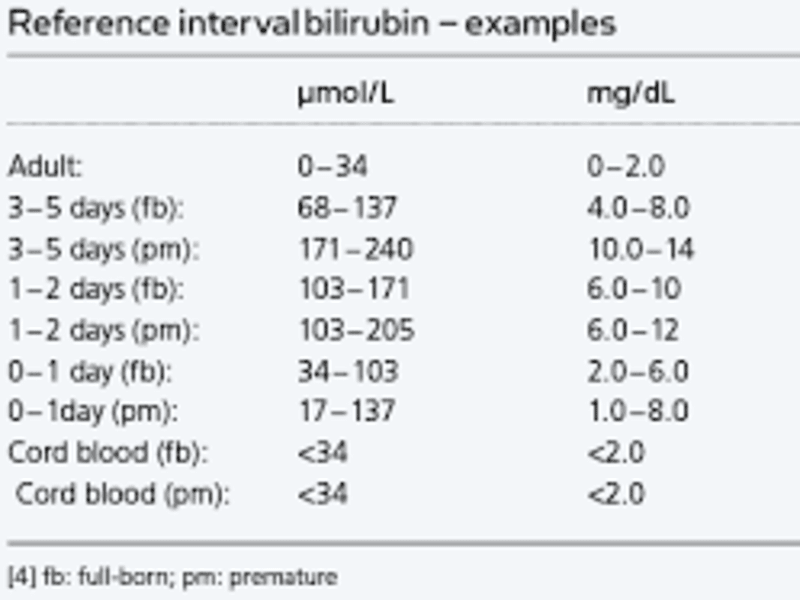
Bilirubin levels help assess liver health. This guide explains normal bilirubin values, types, causes of abnormal levels, symptoms, and when to seek medical advice.
April 11, 2026

Learn how to properly clean and care for your new ear piercing to ensure it heals beautifully and avoid infection. Follow our step-by-step guide for optimal results.
April 1, 2026