

Emergency & Help
24/7 Emergency & General Advisory
🚨 24/7 Medical Emergency
Non-Emergency Advisory
10:00 AM – 6:00 PM, Mon–Sat
For appointments & general queries.
24/7 Emergency & General Advisory
🚨 24/7 Medical Emergency
Non-Emergency Advisory
10:00 AM – 6:00 PM, Mon–Sat
For appointments & general queries.
Stay updated with our latest healthcare news and your appointments.
Discover practical, science-backed tips to sharpen your reaction time for gaming, sports, and everyday life. Learn how to improve your brain's speed and accuracy.

Ever watched a professional gamer effortlessly dodge an attack or a cricketer make a lightning-fast catch and wondered how they do it? It’s not magic; it’s sharp reaction time! Your reaction time (RT) is the blink-and-you’ll-miss-it period between experiencing a stimulus and your physical response to it. For athletes, gamers, and even just for navigating daily life safely, a quick reaction time can make all the difference. While a typical human reaction time falls between 200 to 300 milliseconds, there’s good news: you can actively train and improve it.
This isn't just about winning video games or acing sports; it's about enhancing your brain's ability to process information and act swiftly. Think about driving: a faster reaction time could mean avoiding an accident. Or imagine cooking: it could mean saving your fingers from a hot pan. We're going to explore what influences your reaction time and, more importantly, practical, everyday strategies you can adopt to make yours quicker and more precise. Get ready to unlock your brain's potential for speed and accuracy!
Your central nervous system (CNS) is the command center for your reaction time. It involves billions of nerve cells, or neurons, that receive signals from your senses – sight, sound, smell, touch, and taste. These signals travel to your brain for interpretation, and then your brain sends out instructions for a response. This entire process, from sensing to acting, happens incredibly fast, often in just a fraction of a second.
It's important to distinguish between different types of reaction times:
We also need to differentiate reactions from reflexes:
While reflexes are hardwired, your voluntary reactions are trainable. That’s where we can make a real difference!
Several elements can affect how quickly you react:
Ready to get faster? Here are proven methods to improve your reaction time, applicable whether you're a gamer, an athlete, or just want to be more alert:
The most effective way to improve any skill, including reaction time, is through consistent practice. For gaming, this means playing regularly. For sports, it means drills and game time. The key is repetition. Your brain learns to anticipate and respond more automatically.
Real-life scenario: Imagine you’re learning to play cricket. At first, you might struggle to track the fast-bowled ball. But after weeks of practice, facing different bowlers and situations, you start instinctively knowing when to swing your bat, your muscles reacting almost before you consciously decide.
Beyond just playing, incorporate specific exercises designed to target reaction time. Many websites and apps offer reaction time tests and training games. These often present visual or auditory cues that require a quick response. For sports, coaches use drills that simulate game pressure and require rapid decision-making.
Believe it or not, body temperature matters! Warmer muscles and nerve cells transmit signals more efficiently. This means your reactions can be faster when your body is warm. Consider playing video games in a comfortably warm room, wearing fingerless gloves if your hands get cold, or having a warm drink nearby.
For gamers, equipment can make a difference. A monitor with a high refresh rate (120 Hz or higher) displays more images per second, creating a smoother visual experience and a quicker feedback loop. Also, minimize input lag – the delay between your action and the game's response. Aim for the lowest possible milliseconds.
Even outside gaming, ensure good lighting and minimize distractions in your workspace if you need to react quickly to tasks.
Sleep is foundational for cognitive function. When you're well-rested, your brain processes information more efficiently, leading to better focus and quicker reactions. Aim for 7-9 hours of quality sleep per night.
Dehydration can impair cognitive function. Ensure you're drinking enough water throughout the day. A balanced diet rich in fruits, vegetables, and whole grains supports overall brain health and optimal function.
Aerobic exercise improves blood flow to the brain, which can enhance cognitive functions, including reaction time. Activities like running, swimming, or cycling can boost your brain's processing speed over time.
These practices train your brain to focus and be present. By reducing mental clutter and improving concentration, you can enhance your ability to notice stimuli and react appropriately.
As mentioned, these substances significantly slow down your reaction time and impair judgment. For optimal performance and safety, it's best to avoid them, especially when engaging in activities requiring quick responses.
While most people can improve their reaction time through the methods above, there are times when a slower-than-usual reaction time might signal an underlying issue. If you notice a sudden or significant decline in your reaction speed, or if it's impacting your daily life and safety, it's wise to consult a doctor. This is particularly important if you experience other symptoms like:
A healthcare professional can help rule out or diagnose conditions affecting your nervous system or cognitive function and recommend appropriate treatment or management strategies.
Yes, while it naturally slows with age, consistent practice and healthy lifestyle choices can help maintain and even improve reaction time at any stage of life.
Generally, yes, especially in activities like sports, gaming, and driving. However, a balance is needed; a rushed, impulsive reaction isn't always the best response. Accuracy and appropriate decision-making are also vital.
This varies greatly depending on the individual, the practice methods used, and consistency. Some people might notice small improvements within a few weeks of dedicated practice, while significant changes can take months.
Visit Hospital
Near You
For years, long COVID had no proven treatment — only symptom management. That changed in July 2026, when UCL researchers published trial results showing a structured cognitive rehabilitation program produced lasting improvement in long COVID brain fog. This piece explains what the trial found, how i
July 23, 2026
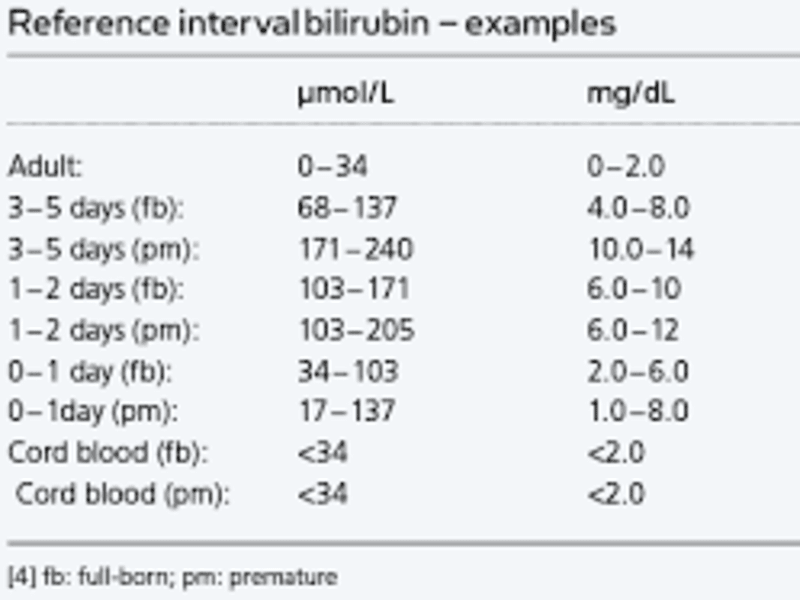
Bilirubin levels help assess liver health. This guide explains normal bilirubin values, types, causes of abnormal levels, symptoms, and when to seek medical advice.
April 11, 2026

Learn how to properly clean and care for your new ear piercing to ensure it heals beautifully and avoid infection. Follow our step-by-step guide for optimal results.
April 1, 2026