

Emergency & Help
24/7 Emergency & General Advisory
🚨 24/7 Medical Emergency
Non-Emergency Advisory
10:00 AM – 6:00 PM, Mon–Sat
For appointments & general queries.
24/7 Emergency & General Advisory
🚨 24/7 Medical Emergency
Non-Emergency Advisory
10:00 AM – 6:00 PM, Mon–Sat
For appointments & general queries.
Stay updated with our latest healthcare news and your appointments.
Accidentally ate before your fasting blood test? Learn why fasting is important, which tests require it, and the crucial steps to take if you break your fast. Get clear, practical advice.

Fasting blood tests are a common diagnostic tool, but what happens when you accidentally eat or drink something you shouldn't before your appointment? It's a situation many people worry about, and understanding the implications can help you manage it effectively. This guide is designed to help you navigate this common concern, offering clear, practical advice tailored for readers in India. We'll cover why fasting is necessary for certain tests, which tests typically require it, and most importantly, what steps to take if you slip up before your scheduled test. Remember, clear communication with your healthcare provider is key to ensuring accurate results and appropriate medical care.
Certain blood tests need you to abstain from food and drink for a specific period before the sample is collected. This is because the food and beverages you consume can significantly impact the levels of various substances in your blood. For example, eating carbohydrates can quickly raise your blood sugar levels, affecting the accuracy of a glucose test. Similarly, fats and proteins from your meal can influence cholesterol and triglyceride readings. Fasting ensures that the results reflect your body's baseline state, providing your doctor with a clear and accurate picture of your health without the temporary fluctuations caused by recent food intake.
While your doctor will always specify if fasting is necessary and for how long, here are some common tests that often require a fasting state:
It's important to remember that not all tests for these conditions require fasting. Always follow your doctor's specific instructions.
The duration of the fasting period varies depending on the specific test. Your doctor or the laboratory performing the test will provide clear instructions. Common fasting times range from 8 to 12 hours, often requiring an overnight fast. For example, if your test is scheduled for 9 AM and requires a 12-hour fast, your last meal should ideally be around 9 PM the previous night. Remember to clarify these details when you book your appointment.
The good news is that you can usually drink plain water during your fasting period. Staying hydrated is important, and water does not affect the results of most fasting blood tests. However, you must avoid all other beverages, including:
These drinks contain sugars, fats, or other components that can interfere with your test results. When in doubt, stick to plain water or ask the lab technician.
Mistakes happen! If you realize you've eaten or drunk something other than plain water before your fasting blood test, don't panic. The most important step is to inform your healthcare provider or the lab technician immediately. Honesty is crucial here. They need to know that you did not complete the fast to accurately interpret your results.
Here’s what might happen next:
Consider this scenario: Mrs. Sharma, a homemaker from Chennai, was preparing for her annual check-up. The doctor had asked her to fast for a blood test the next morning. While getting ready early, she absentmindedly had a few sips of her husband's tea before remembering her fast. She immediately called her doctor's clinic and explained what happened. The clinic advised her to come in anyway but to inform the lab technician, who noted the deviation before processing the blood sample.
Doctors often order fasting blood tests to investigate or monitor conditions indicated by certain symptoms. Some common reasons include:
These symptoms are general indicators, and a fasting blood test helps your doctor pinpoint the exact cause.
Making the fasting process easier can help ensure accurate results. Here are some practical tips:
You should always consult your doctor if you have any concerns or questions about your blood tests, including fasting requirements. Specifically, reach out to your doctor if:
Open communication with your healthcare team ensures you receive the best possible care and accurate diagnostic information.
No. Most healthcare providers recommend avoiding gum and sugar-free candies, as even these can contain ingredients that might affect test results, especially glucose and lipid levels.
It depends on the medication and the type of test. Inform your doctor or the lab technician about this immediately. They will advise whether to proceed or reschedule. Some medications are essential and may need to be taken, but the doctor needs to know.
The time varies greatly depending on what you ate and your metabolism. However, for most fasting tests, the recommended 8-12 hour window is designed to account for typical digestion and absorption times.
Smoking can affect certain blood test results, particularly those related to cardiovascular health. It's best to avoid smoking for at least a few hours, and ideally overnight, before a fasting blood test. Check with your doctor for specific advice.
Visit Hospital
Near You
For years, long COVID had no proven treatment — only symptom management. That changed in July 2026, when UCL researchers published trial results showing a structured cognitive rehabilitation program produced lasting improvement in long COVID brain fog. This piece explains what the trial found, how i
July 23, 2026
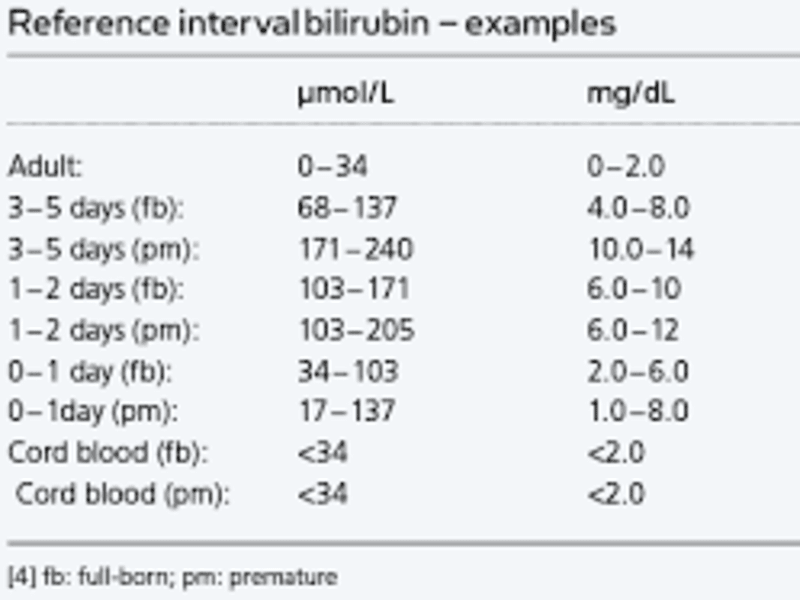
Bilirubin levels help assess liver health. This guide explains normal bilirubin values, types, causes of abnormal levels, symptoms, and when to seek medical advice.
April 11, 2026

Learn how to properly clean and care for your new ear piercing to ensure it heals beautifully and avoid infection. Follow our step-by-step guide for optimal results.
April 1, 2026