

Emergency & Help
24/7 Emergency & General Advisory
🚨 24/7 Medical Emergency
Non-Emergency Advisory
10:00 AM – 6:00 PM, Mon–Sat
For appointments & general queries.
24/7 Emergency & General Advisory
🚨 24/7 Medical Emergency
Non-Emergency Advisory
10:00 AM – 6:00 PM, Mon–Sat
For appointments & general queries.
Stay updated with our latest healthcare news and your appointments.
Accidentally ate before your fasting blood test? Learn why fasting is important, what tests require it, and the crucial steps to take if you break your fast. Get expert advice for accurate results.

You’ve diligently followed your doctor’s instructions for a fasting blood test. You set your alarm, planned your last meal for the evening before, and are ready to head to the lab. But then, a moment of forgetfulness or an unexpected craving strikes, and you find yourself eating something before your scheduled test. This is a common worry, and you're not alone. Many people have found themselves in this exact situation.
Fasting before certain blood tests is essential because the food and drinks we consume can significantly impact the levels of various substances in our blood. When you eat, your body breaks down food, releasing nutrients, sugars, and fats into your bloodstream. These changes can alter the readings of specific tests, leading to inaccurate results. For instance, consuming carbohydrates can rapidly increase your blood sugar levels, making a fasting blood glucose test unreliable if you haven't abstained from food.
Think of it like trying to measure the stillness of a pond. If you throw a stone in, the ripples will distort your measurement. Similarly, food introduces 'ripples' into your bloodstream that can obscure the baseline readings your doctor needs to assess your health accurately.
While your doctor will always specify if fasting is necessary and for how long, some common tests that usually require a fasting period include:
It's important to remember that not all tests require fasting. For example, Vitamin B12 tests often do not need fasting, though your doctor might sometimes recommend a shorter fasting period of 6 to 8 hours.
The duration of fasting varies depending on the specific test. Your doctor or the laboratory will provide clear instructions. Generally, fasting periods range from 8 to 12 hours, often meaning you need to fast overnight. For example, if your test is scheduled for 9 a.m. and requires a 12-hour fast, your last meal should be around 8:30 p.m. the previous night. This allows you to eat a normal dinner and then fast until just before your test appointment.
Discovering you’ve eaten something after you were supposed to be fasting can be stressful. The most important step is not to panic. Here’s what you should do:
Scenario: Priya had a fasting blood test scheduled for 10 a.m. After waking up, she quickly grabbed a biscuit while checking her emails, forgetting it was a fasting test. Realizing her mistake a few minutes later, she immediately called the clinic. The nurse advised her that since it was a small amount of food and several hours before the test, they could likely still proceed, but they would note the incident when interpreting the results.
Whether the test can still be performed depends on several factors:
Your doctor understands that mistakes happen. They are trained to interpret results in context. By informing them, you empower them to make the most accurate assessment of your health, even if the results are slightly affected.
If you ate before a fasting test and proceeded without informing your provider, or if the food intake significantly altered the results, you might receive an inaccurate diagnosis. This could lead to:
For example, if your fasting blood sugar is high because you ate a sugary snack beforehand, you might be incorrectly diagnosed with diabetes. Conversely, if a test is less sensitive and the food intake doesn't significantly skew the results, you might get a normal reading even if there's an underlying issue that a true fasting test would have revealed.
Making fasting easier can help you avoid accidental breaches:
You should always consult your doctor if you have any questions or concerns about fasting blood tests, including what to do if you accidentally break your fast. Additionally, if your test results indicate a health issue, discuss the findings, their implications, and the next steps with your doctor. If you experience any concerning symptoms that prompted the test in the first place, such as unexplained fatigue, increased thirst, or changes in vision, seek medical advice promptly.
A: Yes, in most cases, you can drink plain water. Water does not affect the results of most fasting blood tests. However, always confirm with your healthcare provider, as some specific tests might have stricter guidelines.
A: Chewing sugar-free gum is generally not recommended before a fasting blood test, as it can stimulate digestion and potentially affect results, especially for glucose and lipid tests. It's best to inform your doctor about it.
A: Blood sugar levels can start to rise within minutes after eating, especially after consuming carbohydrates. For a fasting blood glucose test, even a small amount of food can significantly alter the reading within a short period.
A: It's best to call your doctor or the lab. They will assess the type and amount of food, the time elapsed, and the specific test being performed to advise you on whether to proceed or reschedule.
Visit Hospital
Near You
For years, long COVID had no proven treatment — only symptom management. That changed in July 2026, when UCL researchers published trial results showing a structured cognitive rehabilitation program produced lasting improvement in long COVID brain fog. This piece explains what the trial found, how i
July 23, 2026
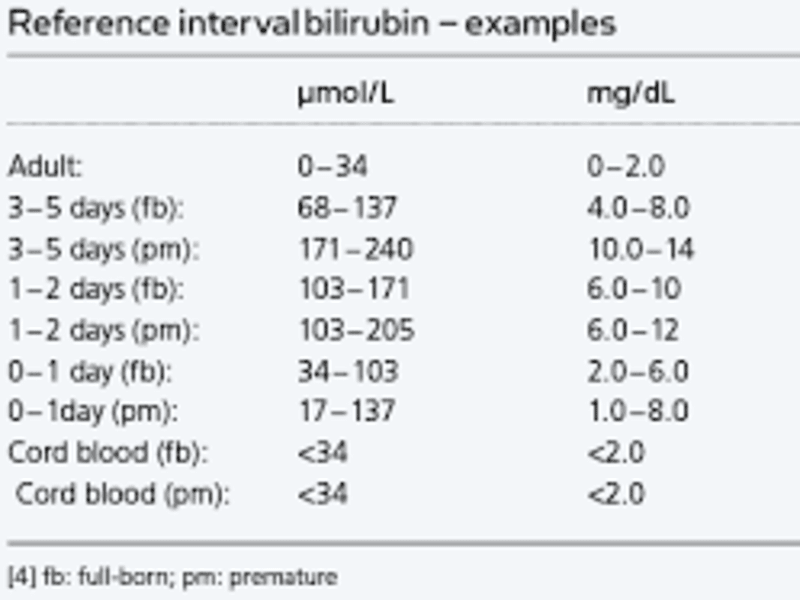
Bilirubin levels help assess liver health. This guide explains normal bilirubin values, types, causes of abnormal levels, symptoms, and when to seek medical advice.
April 11, 2026

Learn how to properly clean and care for your new ear piercing to ensure it heals beautifully and avoid infection. Follow our step-by-step guide for optimal results.
April 1, 2026