

Emergency & Help
24/7 Emergency & General Advisory
🚨 24/7 Medical Emergency
Non-Emergency Advisory
10:00 AM – 6:00 PM, Mon–Sat
For appointments & general queries.
24/7 Emergency & General Advisory
🚨 24/7 Medical Emergency
Non-Emergency Advisory
10:00 AM – 6:00 PM, Mon–Sat
For appointments & general queries.
Stay updated with our latest healthcare news and your appointments.
Learn about the safety of electric blankets for Indian homes. Discover risks with old models, safe usage tips, and who should avoid them.

As the winter chill sets in across India, the allure of a warm, cozy bed becomes irresistible. For many, an electric blanket seems like the perfect solution to ward off the cold. But have you ever paused to wonder if these heated companions are truly safe? We've all heard whispers of potential risks, from minor discomforts to more serious concerns like fires or burns. This guide aims to demystify the safety of electric blankets, offering practical advice tailored for Indian households. We'll explore what makes modern electric blankets safer, the risks associated with older models, and how you can use yours with complete peace of mind.
Electric blankets are designed with a network of thin heating wires woven into the fabric. These wires are connected to a power source and a control unit, allowing you to adjust the temperature. The electrical current flowing through the wires generates heat, which then radiates outwards, warming the blanket and, by extension, you. Modern electric blankets come equipped with sophisticated safety features, including thermostats that regulate temperature and automatic shut-off mechanisms. These innovations significantly reduce the risks that were more prevalent in older models.
If you've recently purchased an electric blanket, you can generally rest easy. Manufacturers have made significant strides in safety technology. Newer models incorporate features like rheostat controls, which help maintain a consistent and safe temperature, preventing overheating. These blankets are designed to minimize the risk of fire or burns during normal use. The emphasis is on user safety, with built-in redundancies to ensure the blanket operates within safe parameters. Think of it as a modern appliance designed with your well-being in mind.
The primary safety concerns surrounding electric blankets often stem from older, damaged, or improperly used models. Statistics show that a vast majority of incidents involving electric blanket fires are linked to blankets that are 10 years or older. Over time, the internal wires can degrade, insulation can wear away, and safety mechanisms can malfunction. This can lead to uneven heating, hot spots, or even short circuits, posing a fire hazard or the risk of burns.
Imagine this common scenario: Your grandmother has an electric blanket that's been in the family for over 15 years. It still works, but the cord looks a bit frayed, and sometimes it gets unusually hot in one corner. She loves the warmth it provides but is unaware of the hidden dangers. In such cases, the risk is significantly higher than with a new blanket.
Even with a new electric blanket, proper usage is key to ensuring safety. Here are some essential guidelines:
A common concern that arises with electric blankets is their potential link to cancer due to Electromagnetic Fields (EMFs). Electric blankets, like many household appliances (hair dryers, shavers) and power lines, emit extremely low frequency electric and magnetic fields (ELF-EMFs). However, extensive research by reputable health organizations, including the National Cancer Institute, has found no convincing evidence to suggest that typical exposure levels from electric blankets pose a cancer risk. No biological mechanism has been identified that explains how these low-frequency EMFs could cause cancer. Major health bodies generally consider the EMFs emitted by electric blankets to be safe.
While generally safe for most adults, certain individuals should exercise caution or avoid electric blankets altogether:
If you have any underlying health conditions that might affect your ability to sense heat or regulate body temperature, it's wise to discuss electric blanket use with your doctor. Additionally, if you experience any unusual sensations, discomfort, or notice any defects in your electric blanket, unplug it immediately and seek professional advice.
No, electric blankets are generally not recommended for babies due to their inability to regulate body temperature and the risk of overheating or burns.
While new electric blankets are designed with safety features to minimize fire risk, older, damaged, or improperly used blankets can pose a fire hazard.
Modern electric blankets with automatic shut-off or timers can be safe for overnight use if used correctly according to the manufacturer's instructions. However, if your blanket lacks these features, it's safer to turn it off before sleeping.
A UL certification indicates that the electric blanket has been tested by Underwriters Laboratories, an independent safety science company, and meets specific safety requirements.
While some heated throws are designed for furniture, standard electric blankets are intended for beds and may not be safe or suitable for sofa use due to different usage patterns and potential for damage.
Most people do not notice early warning signs right away. That is common. A simple symptom diary, basic routine checks, and timely follow-up visits can prevent small problems from becoming serious.
If you are already on treatment, stay consistent with medicines and lifestyle advice. If your symptoms change, do not guess. Check with a qualified doctor and update your plan early.
Write down symptoms, triggers, and timing for a few days.
Carry old prescriptions and test reports to your consultation.
Ask clearly about side effects, red-flag signs, and follow-up dates.
Seek urgent care for severe pain, breathing trouble, bleeding, fainting, or sudden worsening.
Visit Hospital
Near You
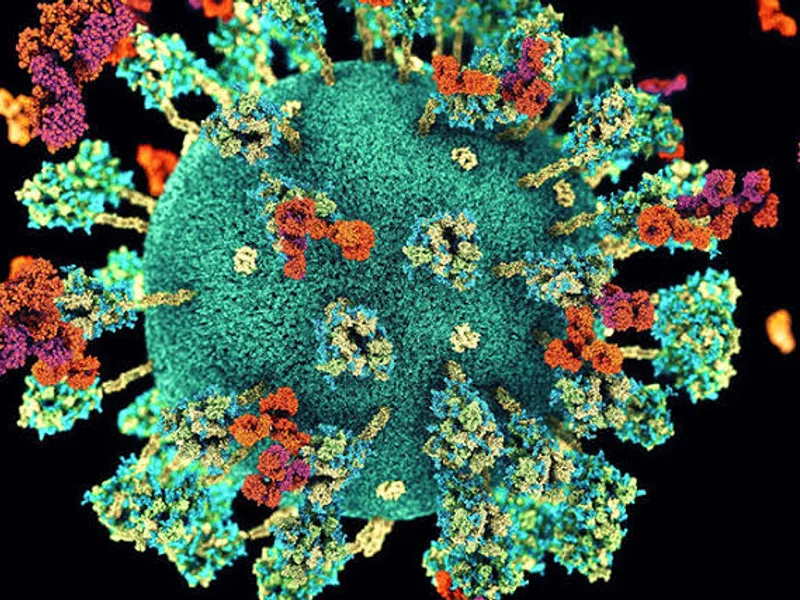
For years, long COVID had no proven treatment — only symptom management. That changed in July 2026, when UCL researchers published trial results showing a structured cognitive rehabilitation program produced lasting improvement in long COVID brain fog. This piece explains what the trial found, how i
July 23, 2026
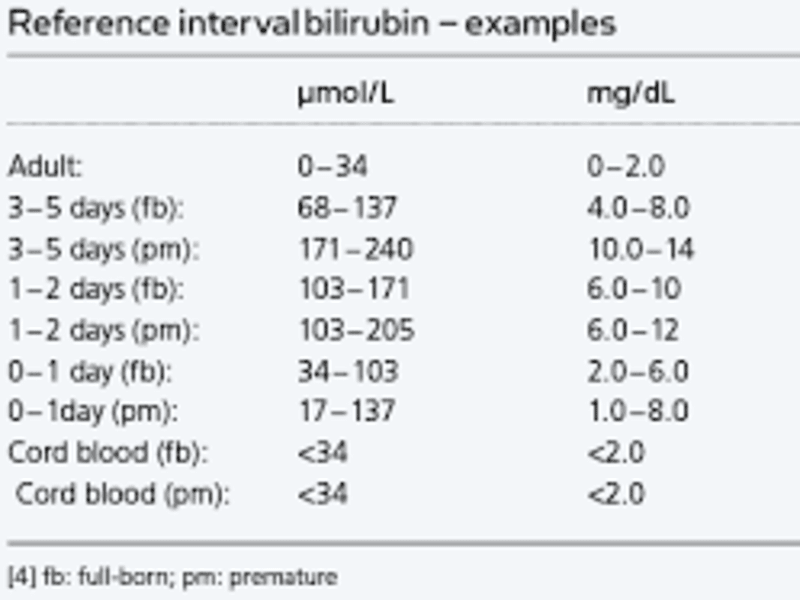
Bilirubin levels help assess liver health. This guide explains normal bilirubin values, types, causes of abnormal levels, symptoms, and when to seek medical advice.
April 11, 2026

Learn how to properly clean and care for your new ear piercing to ensure it heals beautifully and avoid infection. Follow our step-by-step guide for optimal results.
April 1, 2026