

Emergency & Help
24/7 Emergency & General Advisory
🚨 24/7 Medical Emergency
Non-Emergency Advisory
10:00 AM – 6:00 PM, Mon–Sat
For appointments & general queries.
24/7 Emergency & General Advisory
🚨 24/7 Medical Emergency
Non-Emergency Advisory
10:00 AM – 6:00 PM, Mon–Sat
For appointments & general queries.
Stay updated with our latest healthcare news and your appointments.
Discover the health benefits and hygiene advantages of baths versus showers. Learn which is better for relaxation, cleansing, and specific health concerns to make the right choice for your daily routine.

In the daily routine of personal hygiene, a common question arises: Is it better to take a bath or a shower? Both offer a way to cleanse your body, but they come with distinct advantages and potential drawbacks. The best choice for you isn't a one-size-fits-all answer; it depends on your personal health goals, the time you have available, and what you want to achieve from your bathing experience. Let's explore the benefits of each and help you decide which method is right for you.
At a fundamental level, showers are generally considered more effective for thorough cleansing. The running water in a shower efficiently washes away dirt, sweat, and oils from your skin. The water streams directly over your body, mixing with soap to lift impurities, and then quickly drains away. This continuous flow ensures that the dirt and soap are constantly being removed from your immediate vicinity, leading to a more hygienic clean.
Baths, on the other hand, involve sitting in a tub of water. While this can be incredibly relaxing, the water you use to wash also becomes the water you rinse in. This means that impurities are essentially being diluted and redistributed rather than immediately washed away. However, baths excel in other areas, particularly in their ability to be therapeutic and deliver beneficial ingredients directly to your skin and body.
If your primary goal is to get clean quickly and effectively, a shower is usually the superior option. The direct stream of water, combined with soap or body wash, works to lift and remove daily grime, sweat, and environmental pollutants from your skin. This is particularly important for those who are physically active or live in areas with high pollution.
Did you know that showering, especially with a blast of cold water at the end, could give your immune system a boost? A study indicated that individuals who incorporated hot-to-cold showers into their routine took fewer sick days throughout the year. The shock of cold water can stimulate your body, potentially enhancing immune responses.
The warmth of a hot shower can help relax muscles and open up pores, potentially aiding in the release of toxins. Conversely, cooler showers can cause vasoconstriction (narrowing of blood vessels), which can stimulate blood flow closer to the skin's surface. This improved circulation might contribute to healthier-looking skin and can even benefit your scalp, potentially leading to better hair health.
For those struggling with feelings of sadness or mild depression, a shower might offer some relief. The stimulation of the nervous system from a shower, particularly one that starts warm and gradually turns cold, is thought to promote the release of endorphins, the body's natural mood boosters.
Imagine Priya, a working mother in Mumbai, who has to get her children ready for school and then rush to her office. Her mornings are a whirlwind of packing lunches, checking homework, and finding matching socks. In this scenario, a quick 10-minute shower is her lifesaver. It allows her to get clean, feel refreshed, and be out the door without feeling rushed or compromising on hygiene.
There's an undeniable therapeutic quality to a warm bath. Soaking in warm water can significantly reduce stress, calm the mind, and relax tense muscles. It's an excellent way to unwind after a long day, especially when combined with calming elements.
Adding a few drops of essential oils like lavender or eucalyptus to your bathwater can transform it into an aromatherapy session. This can help soothe your mind, reduce anxiety, and ease muscle fatigue. The gentle warmth combined with the aromatic scents creates a deeply calming experience.
For individuals suffering from skin conditions like eczema or psoriasis, an oatmeal bath can provide significant relief. Colloidal oatmeal, when added to bathwater, has anti-inflammatory and moisturizing properties that can soothe redness, itching, and irritation, leaving your skin feeling calmer and more comfortable.
When you're feeling unwell with a cold or the flu, a warm bath can be surprisingly comforting. The steam from the warm water can help to loosen congestion in your chest and nasal passages. It can also help to reduce fever and alleviate the aches and pains associated with illness. Just be sure the water isn't too hot, especially if you have a fever.
A sitz bath involves sitting in warm water that only comes up to your hips or lower buttocks. This type of bath is particularly beneficial for healing after childbirth, especially for the perineal area. It can also help soothe discomfort from conditions like hemorrhoids or anal fissures.
Consider Rohan, a fitness enthusiast in Delhi who just completed a strenuous weightlifting session. His muscles are sore and he feels completely drained. A warm bath with Epsom salts becomes his recovery ritual. He sinks into the warm water, letting the heat penetrate his tired muscles, easing the soreness and preparing him for his next workout.
Ultimately, the decision between a bath and a shower depends on your individual needs and preferences on any given day. There's no universal
Overall, early action and medically verified advice remain the safest approach.
Visit Hospital
Near You
For years, long COVID had no proven treatment — only symptom management. That changed in July 2026, when UCL researchers published trial results showing a structured cognitive rehabilitation program produced lasting improvement in long COVID brain fog. This piece explains what the trial found, how i
July 23, 2026
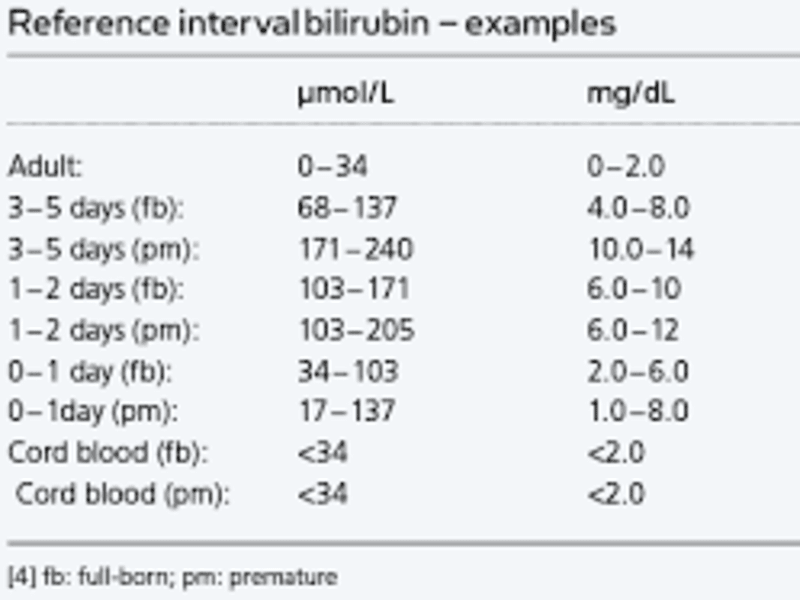
Bilirubin levels help assess liver health. This guide explains normal bilirubin values, types, causes of abnormal levels, symptoms, and when to seek medical advice.
April 11, 2026

Learn how to properly clean and care for your new ear piercing to ensure it heals beautifully and avoid infection. Follow our step-by-step guide for optimal results.
April 1, 2026