

Emergency & Help
24/7 Emergency & General Advisory
🚨 24/7 Medical Emergency
Non-Emergency Advisory
10:00 AM – 6:00 PM, Mon–Sat
For appointments & general queries.
24/7 Emergency & General Advisory
🚨 24/7 Medical Emergency
Non-Emergency Advisory
10:00 AM – 6:00 PM, Mon–Sat
For appointments & general queries.
Stay updated with our latest healthcare news and your appointments.
Learn about the rook ear piercing, including its pain level, the lengthy healing process, essential aftercare steps, and when to consult a doctor. Get practical advice for Indian readers.
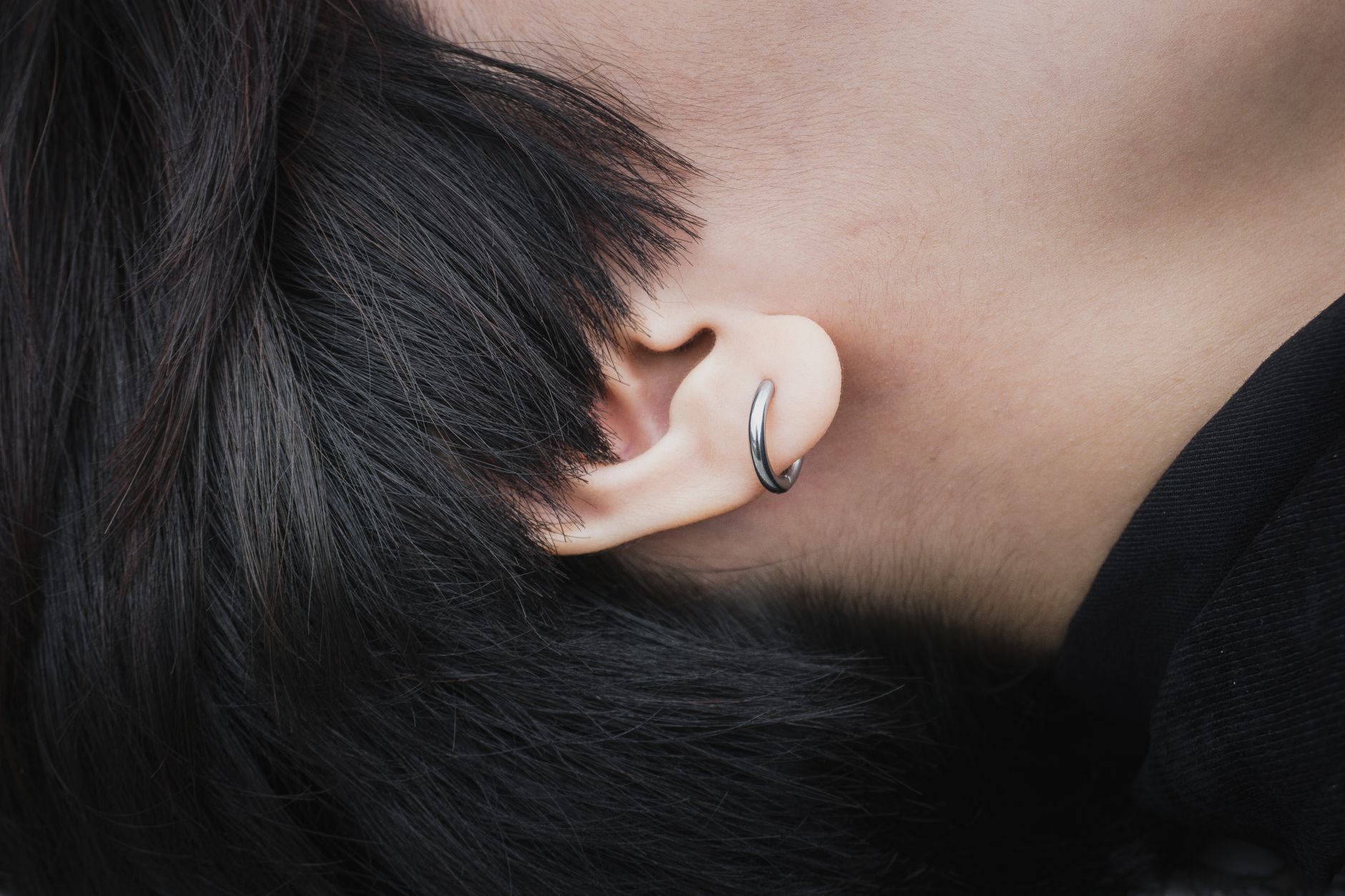
The rook piercing, situated on the inner ridge of the upper ear cartilage, has become a sought-after adornment for those looking to express their individuality. Its unique placement offers a subtle yet striking addition to any ear's piercing constellation. However, before you commit to this edgy trend, it's essential to understand what the experience entails. This guide will walk you through everything you need to know, from the initial pain and the healing process to crucial aftercare practices, all explained with Indian readers in mind.
Your ear is a complex landscape of cartilage and soft tissue. The rook piercing specifically targets the fold of cartilage that sits just above the ear canal, below the outer rim of your ear. It's a step up from a daith piercing (which is on the ridge closer to the ear canal) and distinct from other cartilage piercings like the helix or tragus. This placement makes it a bit more involved than a standard earlobe piercing.
Let's talk about the elephant in the room: pain. Rook piercings are generally considered more painful than earlobe piercings. Why? Because they go through thick, dense cartilage. Unlike the soft, vascular tissue of your earlobes, cartilage has limited blood supply, making it tougher to pierce and slower to heal. Most people describe the sensation as a sharp, intense pressure followed by a throbbing ache that can linger for a few days. While pain is subjective, if you've had other cartilage piercings, expect the rook to be on a similar level, perhaps slightly more intense due to the thickness of the cartilage.
Meena had always admired the intricate ear piercings she saw online. Finally deciding to get a rook piercing, she braced herself. The initial pinch was sharp, as expected, but it was the deep, persistent throbbing that surprised her in the hours that followed. Sleeping on that side became a challenge, and she found herself carefully adjusting her pillow each night.
Cartilage piercings, including the rook, have a notoriously long healing time. You can expect your rook piercing to take anywhere from 3 to 10 months to heal completely. During this period, the piercing site can remain tender, especially if it's irritated or, unfortunately, infected. The lack of blood flow to the cartilage means it needs more time to repair itself compared to softer tissues.
While beautiful, any piercing carries a risk of infection. Studies suggest that around 32 percent of cartilage piercings can become infected at some point. An infected rook piercing can be extremely painful, causing redness, swelling, and discharge. If you notice these signs, it's crucial to seek medical attention promptly. Caught early, infections often respond well to treatment, sometimes requiring antibiotics. However, severe infections can lead to more serious complications if left untreated.
Choosing a reputable and experienced piercer is the first and most critical step. Look for studios that prioritize hygiene and use sterile equipment. Your piercer will assess your ear's anatomy to ensure you're a good candidate for a rook piercing. They'll then mark the precise spot, allowing you to confirm the placement before proceeding.
Proper aftercare is paramount for a healthy healing process and to minimize the risk of infection. The goal is to keep the piercing clean without over-irritating it.
Your piercer will select a piece of starter jewelry, typically a barbell made of implant-grade titanium or surgical stainless steel. This jewelry is usually a bit thicker than what you might eventually wear to help keep the piercing channel open during healing. It’s crucial to wear this initial piece for the entire healing period.
While some discomfort and tenderness are normal during the healing phase, certain signs warrant a visit to your doctor or a medical professional. Don't hesitate to consult a doctor if you experience:
Remember, prompt medical attention can prevent minor issues from becoming major health concerns.
While some people believe the daith piercing (located closer to the ear canal) can help with migraines due to its placement on an acupuncture point, there is no scientific evidence to support this claim for either the daith or the rook piercing. The rook piercing is primarily an aesthetic choice.
The initial throbbing pain usually lasts for a few days to a week. However, the piercing can remain tender and sensitive for several months as it heals. If the throbbing pain is severe or persists beyond the first week, it's a good idea to consult your piercer or a doctor.
Bumping a new piercing is common and can be painful. Clean the area gently with your sterile saline solution as soon as possible. Try to be more mindful of your piercing to avoid future bumps. If you notice increased swelling or pain after a bump, monitor it closely and consult a professional if symptoms worsen.
During the initial healing period, it's best to avoid using earbuds in the ear with the rook piercing, as they can put pressure on the site and introduce bacteria. Once the piercing is fully healed, you can try wearing earbuds carefully, but be mindful of any discomfort.
The rook piercing offers a unique and stylish way to adorn your ear. However, it demands patience, diligent aftercare, and an understanding of the potential pain and long healing time. By choosing a skilled piercer, following aftercare instructions meticulously, and knowing when to seek professional help, you can navigate the journey to a beautifully healed rook piercing. Prioritize your health and safety throughout the process.
Most people do not notice early warning signs right away. That is common. A simple symptom diary, basic routine checks, and timely follow-up visits can prevent small problems from becoming serious.
If you are already on treatment, stay consistent with medicines and lifestyle advice. If your symptoms change, do not guess. Check with a qualified doctor and update your plan early.
Write down symptoms, triggers, and timing for a few days.
Carry old prescriptions and test reports to your consultation.
Ask clearly about side effects, red-flag signs, and follow-up dates.
Seek urgent care for severe pain, breathing trouble, bleeding, fainting, or sudden worsening.
Visit Hospital
Near You
For years, long COVID had no proven treatment — only symptom management. That changed in July 2026, when UCL researchers published trial results showing a structured cognitive rehabilitation program produced lasting improvement in long COVID brain fog. This piece explains what the trial found, how i
July 23, 2026
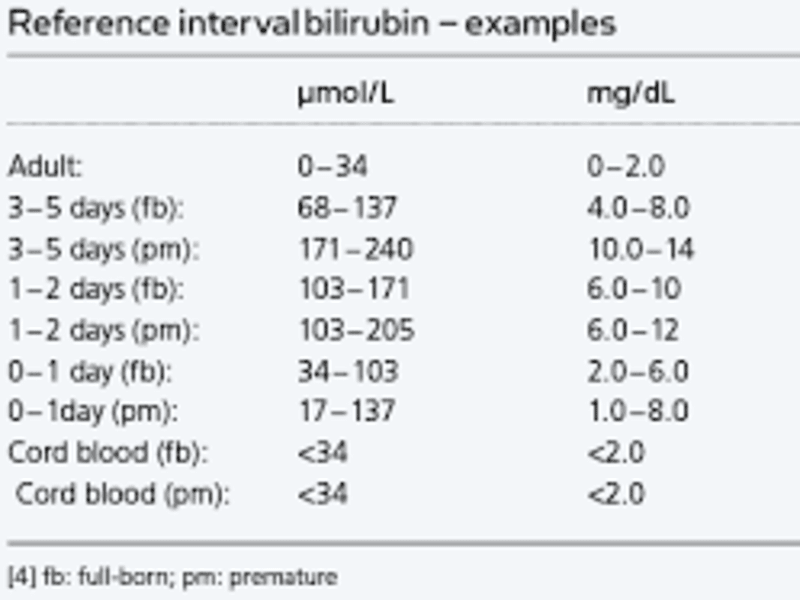
Bilirubin levels help assess liver health. This guide explains normal bilirubin values, types, causes of abnormal levels, symptoms, and when to seek medical advice.
April 11, 2026

Learn how to properly clean and care for your new ear piercing to ensure it heals beautifully and avoid infection. Follow our step-by-step guide for optimal results.
April 1, 2026