

Emergency & Help
24/7 Emergency & General Advisory
🚨 24/7 Medical Emergency
Non-Emergency Advisory
10:00 AM – 6:00 PM, Mon–Sat
For appointments & general queries.
24/7 Emergency & General Advisory
🚨 24/7 Medical Emergency
Non-Emergency Advisory
10:00 AM – 6:00 PM, Mon–Sat
For appointments & general queries.
Stay updated with our latest healthcare news and your appointments.
Feeling stuffy or dealing with allergies? Discover the world of over-the-counter (OTC) nasal sprays, understand their types, how to use them safely, and when to see a doctor. Your guide to breathing easier!

Feeling that familiar stuffiness? The tickle in your throat? Nasal congestion and allergies can turn even the brightest day into a dreary one, especially here in India where environmental factors can play a big role. But don't despair! You don't always need a doctor's visit for immediate relief. Over-the-counter (OTC) nasal sprays are readily available and can be your secret weapon against a runny nose, sneezing, and that pesky feeling of being unable to breathe freely. Think of them as your first line of defense, a convenient way to target nasal discomfort right where it happens.
We've all been there – staring at the shelves in the pharmacy, bewildered by the sheer number of options. Steroid sprays? Antihistamine sprays? Saline sprays? What's the difference, and which one is right for you? This guide is here to demystify the world of OTC nasal sprays, helping you make an informed choice so you can get back to enjoying life, unhindered by nasal woes.
At its core, a nasal spray is a medication delivered directly into your nasal passages. This targeted approach allows the active ingredients to work quickly, soothing inflammation and relieving symptoms like congestion and pressure. While some nasal sprays require a prescription, many powerful and effective options are available over the counter, easily accessible at your local chemist or even online.
The effectiveness of a nasal spray often depends on its active ingredients. Let's break down the common types you'll encounter:
These are your go-to for reducing inflammation. If you suffer from allergies or chronic sinusitis, steroid sprays can be incredibly helpful. They work by calming down the inflammatory response in your nasal passages. Common active ingredients include budesonide or fluticasone. While potent, they generally have a low risk of systemic side effects when used as directed because most of the medication stays local.
When allergens like dust, pollen, or pet dander trigger your symptoms, antihistamine sprays come to the rescue. They work by blocking the effects of histamine, a chemical your body releases during an allergic reaction. These are primarily recommended for allergy-related symptoms like sneezing and a runny nose. Look for active ingredients such as azelastine or olopatadine.
These sprays are designed to shrink swollen blood vessels in your nose, which is the primary cause of congestion. Ingredients like oxymetazoline hydrochloride or phenylephrine hydrochloride can provide rapid relief, making it easier to breathe. However, there's a significant caution here!
Important Note on Decongestant Sprays:Nasal decongestant sprays are highly effective for short-term relief. But, and this is a big 'but', they should never be used for more than 3 consecutive days. Why? Because using them for longer can lead to 'rebound congestion', also known as rhinitis medicamentosa. This is a condition where your nasal passages become even more congested when you stop using the spray, creating a cycle of dependency. If your congestion persists beyond three days, it's time to consult a doctor and consider a different treatment approach.
The simplest yet often overlooked heroes! Saline sprays contain a saltwater solution and no active medication. They work by thinning mucus, making it easier to clear from your nasal passages. They are excellent for moisturizing dry nasal passages, flushing out irritants, and can be used as frequently as needed without the risk of rebound congestion. They are safe for all ages and can be a great starting point for mild discomfort.
OTC nasal sprays are fantastic for managing a range of common nasal ailments. You might consider one if you're experiencing:
Navigating the pharmacy aisle can be overwhelming. Here's a simplified way to choose:
Using any medication correctly is paramount to its effectiveness and safety. Here’s how to get the most out of your OTC nasal spray:
While OTC nasal sprays are incredibly useful, they aren't a magic bullet for every nasal issue. It's essential to know when to consult a doctor. You should seek medical attention if:
While you can't always prevent allergies or infections, you can take steps to minimize your exposure and strengthen your resilience:
It depends on the type. Saline sprays are safe for daily, long-term use. Steroid and antihistamine sprays can often be used daily for allergy management, but always follow the product instructions and consult your doctor for chronic conditions. Decongestant sprays should not be used for more than 3 consecutive days.
The primary concern for addiction or dependency is with nasal decongestant sprays due to the risk of rebound congestion. Other types, like saline, steroid, and antihistamine sprays, are generally not considered addictive when used as directed.
Yes, OTC nasal sprays can help manage cold symptoms like congestion and runny nose, especially decongestant sprays for short-term relief. However, they do not cure the cold itself. Saline sprays are also excellent for loosening mucus during a cold.
Side effects vary by type. Decongestant sprays can cause dryness, stinging, or rebound congestion. Steroid sprays might cause nosebleeds or irritation. Antihistamine sprays can sometimes cause drowsiness or a bitter taste. Saline sprays have minimal to no side effects. Always read the label and consult a doctor if you experience concerning side effects.
Visit Hospital
Near You

For years, long COVID had no proven treatment — only symptom management. That changed in July 2026, when UCL researchers published trial results showing a structured cognitive rehabilitation program produced lasting improvement in long COVID brain fog. This piece explains what the trial found, how i
July 23, 2026
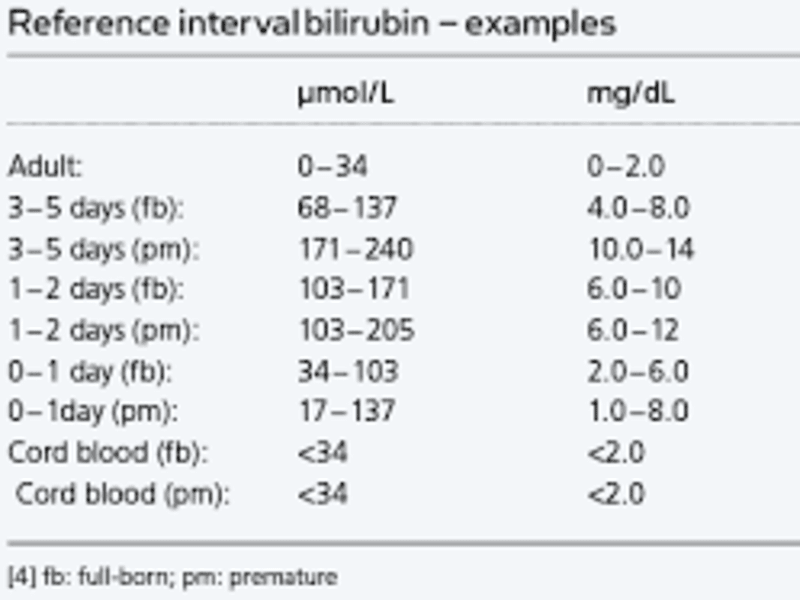
Bilirubin levels help assess liver health. This guide explains normal bilirubin values, types, causes of abnormal levels, symptoms, and when to seek medical advice.
April 11, 2026

Learn how to properly clean and care for your new ear piercing to ensure it heals beautifully and avoid infection. Follow our step-by-step guide for optimal results.
April 1, 2026