

Emergency & Help
24/7 Emergency & General Advisory
🚨 24/7 Medical Emergency
Non-Emergency Advisory
10:00 AM – 6:00 PM, Mon–Sat
For appointments & general queries.
24/7 Emergency & General Advisory
🚨 24/7 Medical Emergency
Non-Emergency Advisory
10:00 AM – 6:00 PM, Mon–Sat
For appointments & general queries.
Stay updated with our latest healthcare news and your appointments.
Find relief from shortness of breath with these effective home remedies. Learn breathing techniques, posture adjustments, and lifestyle tips to help you breathe easier.
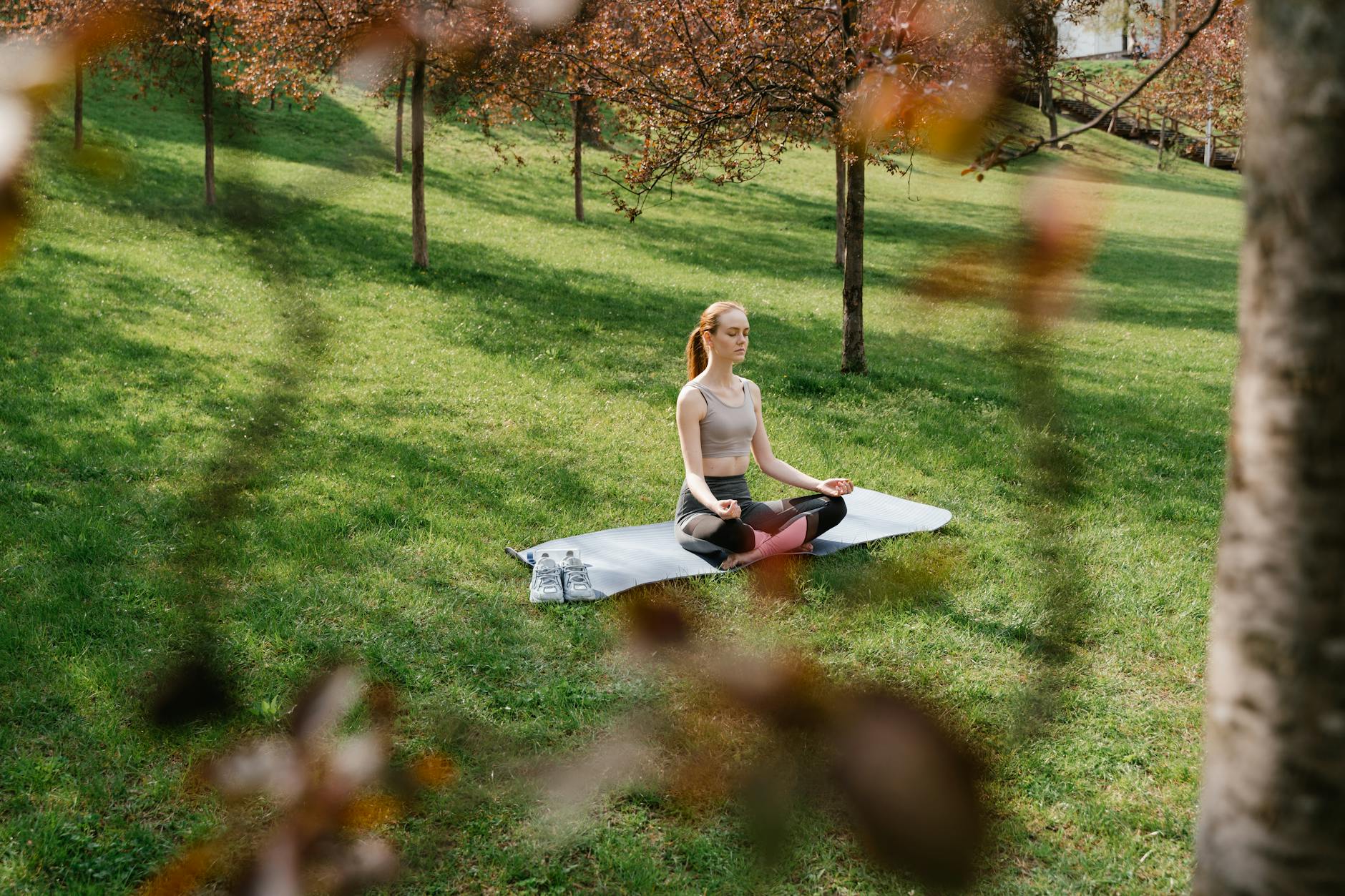
Experiencing shortness of breath, also known as dyspnea, can be a frightening and uncomfortable sensation. It feels like you can't get enough air into your lungs, making even simple activities feel like a struggle. This can happen suddenly and for short periods, or it might be a long-term issue that lingers for weeks. While it's often a sign that something needs medical attention, there are several home-based strategies that can help you find relief and manage the symptoms, especially if the cause isn't an immediate emergency.
Shortness of breath isn't a disease in itself, but rather a symptom of an underlying issue. Your heart and lungs play a critical role in breathing, so problems with these vital organs can significantly impact your ability to breathe easily. Conditions like pneumonia, chronic obstructive pulmonary disease (COPD), lung cancer, or even COVID-19 can lead to breathlessness. Sometimes, the cause can be as sudden as a blood clot in the lungs (pulmonary embolism) or even a change in temperature, like moving from a warm room to the cold outdoors. It’s essential to recognise that while home remedies can offer comfort, they are not a substitute for professional medical care when needed.
Please remember: If your shortness of breath is sudden, severe, or accompanied by other alarming symptoms, do not delay. Call 911 or go directly to the nearest emergency room.
You should seek emergency medical attention if you experience:
Ignoring these signs can lead to dangerously low blood oxygen levels, which can be life-threatening.
If your shortness of breath is not an emergency, several home-based techniques can help you feel more comfortable. These methods often focus on relaxation, improving breathing patterns, and adjusting your posture to make breathing easier.
This technique is incredibly useful for managing breathlessness caused by anxiety, panic attacks, or conditions like COPD and hyperventilation. Pursed-lip breathing helps to slow down your breathing rate, allowing each breath to be deeper and more effective. It works by helping to clear out stale air from your lungs and allows fresh air to enter, reducing the feeling of being starved for air. You can use this anytime you feel breathless, especially during strenuous activities like climbing stairs or lifting objects.
How to do it:
A study from 2019 showed that combining breathing strategies like this helped people with COPD increase their chest volume and breathe less often. It’s a simple yet powerful tool.
Sometimes, simply changing your posture can make a significant difference. Sitting in a chair and leaning forward can help relax your body and airways, making it easier to breathe. This position, sometimes called the 'tripod stance,' creates more space in your chest cavity, allowing your lungs to expand more fully.
How to do it:
This position is particularly helpful for individuals with COPD. You might even find yourself naturally adopting this pose when you're struggling to breathe.
If you have a table nearby, you can enhance the 'tripod' position for even more comfort and support. This variation offers a stable surface to rest on, allowing for deeper relaxation.
How to do it:
This also helps create more room for your lungs to expand and can be a more comfortable option for some people.
If sitting isn't an option or you prefer to stand, a similar leaning posture can be beneficial. Standing and leaning forward can help open up your airways.
How to do it:
For those who find it difficult to maintain a forward lean, resting against a wall can offer support while still promoting easier breathing.
How to do it:
A simple fan can provide surprising relief. Directing a gentle stream of air towards your face, particularly your nose and mouth, can help trick your brain into feeling like you're breathing in more easily. This sensation can reduce the feeling of breathlessness.
A 2018 study found that using a fan helped people with breathing difficulties, even those with late-stage cancer. It's a non-invasive method that many find effective.
How to use it:
Anxiety and panic can significantly worsen shortness of breath. When you feel breathless, your instinct might be to panic, which can create a vicious cycle. Practicing relaxation techniques is key.
Try these tips:
Long-term management of shortness of breath often involves lifestyle changes. These can help prevent breathlessness from occurring or reduce its severity when it does happen.
While these home treatments can provide relief, it's crucial to understand their limitations. They are best suited for managing mild or intermittent shortness of breath, or as supportive measures for chronic conditions under medical supervision. If your shortness of breath is persistent, worsening, or occurs with other concerning symptoms, it's time to consult a healthcare professional. They can accurately diagnose the cause and recommend the most appropriate treatment plan, which might include medications, therapies, or further investigations.
A: Home remedies can help manage and relieve symptoms of shortness of breath, but they do not cure the underlying cause. If your breathlessness is due to a serious medical condition, professional medical treatment is necessary.
A: Pursed-lip breathing can often provide relief within a few minutes. It helps to slow your breathing and make each breath more effective, leading to a quicker sense of calm and improved air intake.
A: It is normal to feel out of breath after intense physical activity as your body requires more oxygen. However, if you experience prolonged breathlessness, dizziness, or chest pain after exercise, seek medical advice.
A: Yes, stress and anxiety can trigger or worsen feelings of shortness of breath, often leading to hyperventilation. Practicing relaxation techniques and pursed-lip breathing can be very helpful in these situations.
Visit Hospital
Near You
For years, long COVID had no proven treatment — only symptom management. That changed in July 2026, when UCL researchers published trial results showing a structured cognitive rehabilitation program produced lasting improvement in long COVID brain fog. This piece explains what the trial found, how i
July 23, 2026
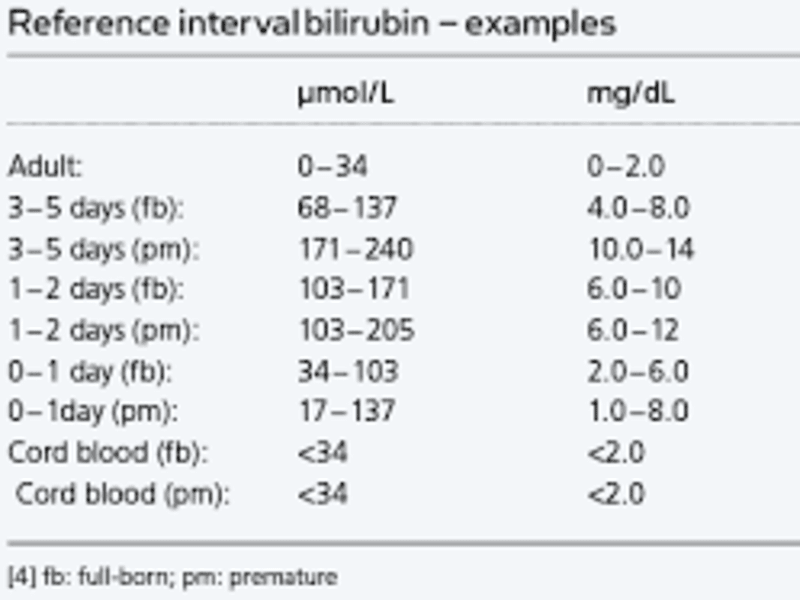
Bilirubin levels help assess liver health. This guide explains normal bilirubin values, types, causes of abnormal levels, symptoms, and when to seek medical advice.
April 11, 2026

Learn how to properly clean and care for your new ear piercing to ensure it heals beautifully and avoid infection. Follow our step-by-step guide for optimal results.
April 1, 2026