

Emergency & Help
24/7 Emergency & General Advisory
🚨 24/7 Medical Emergency
Non-Emergency Advisory
10:00 AM – 6:00 PM, Mon–Sat
For appointments & general queries.
24/7 Emergency & General Advisory
🚨 24/7 Medical Emergency
Non-Emergency Advisory
10:00 AM – 6:00 PM, Mon–Sat
For appointments & general queries.
Stay updated with our latest healthcare news and your appointments.
Discover 20 effective and safe natural ways to get rid of ants in your home, from DIY sprays to preventative measures. Keep your living space ant-free without harsh chemicals.

Discovering ants marching through your kitchen or bathroom can be a real nuisance. While they might seem small, a full-blown ant infestation can be incredibly frustrating. Fortunately, you don't always need harsh chemicals to get rid of these tiny invaders. Many effective solutions can be found right in your own home or at your local grocery store. This guide will walk you through 20 natural and safe methods to eliminate and repel ants, ensuring your home remains a peaceful, ant-free sanctuary. We'll cover everything from simple DIY sprays to understanding why ants are attracted to your home in the first place. Why Ants Invade Your Home Before we dive into solutions, let's understand why ants decide to visit. Ants are primarily looking for three things: food, water, and shelter. They are expert scouts, and once one ant finds a reliable source, it leaves a scent trail, called a pheromone trail, that guides others to the bounty. This is why you often see ants following a distinct line. Common attractants in Indian homes include: Sweet spills: Sugar, honey, jam, and even leftover sweet drinks can be a huge draw. Crumbs and food particles: Unsealed food containers, open bins, and uncleaned surfaces are a buffet. Water sources: Leaky taps, damp areas in the bathroom or kitchen, and standing water can attract ants. Shelter: Small cracks and crevices in walls or foundations offer them a place to build nests. It's important to remember that most ants are harmless and even beneficial in the environment. However, some ant species can carry bacteria, posing a potential health risk. A small study in 2019 indicated that certain ants might carry pathogenic bacteria, which could be dangerous. Therefore, keeping them out of your living spaces is a good practice. Natural Ant Repellents and Killers You Can Use Today Let's get to the good stuff! Here are some practical, home-tested methods to tackle ant problems without resorting to strong pesticides, which can be harmful to children and pets. 1. Borax and Sugar Solution Borax is a natural mineral that's effective against ants. When mixed with sugar, it becomes an irresistible bait. The sugar attracts the ants, and the borax disrupts their digestive system and exoskeleton. Mix 1/2 teaspoon of borax with 8 teaspoons of sugar in 1 cup of warm water. Stir until both the sugar and borax are completely dissolved. Saturate cotton balls with this solution. Place these cotton balls in areas where you frequently see ants, like near entry points or food sources. Important Note: Borax can be harmful if ingested by children or pets. Always place these baits out of their reach and wash any containers thoroughly after use. 2. Diatomaceous Earth (Food Grade) Diatomaceous earth (DE) is a natural powder made from fossilized aquatic organisms. It's not a poison; instead, it works by absorbing the oils from an ant's exoskeleton, causing them to dehydrate and die. Ensure you use food-grade DE, as industrial grades can be harmful. Sprinkle a thin layer of food-grade diatomaceous earth in areas where ants travel, such as along baseboards, windowsills, and entry points. Avoid breathing in the dust, and keep it away from your skin and eyes. 3. Glass Cleaner and Liquid Detergent Ants rely on scent trails to navigate. Glass cleaner, especially when mixed with liquid detergent, can effectively remove these pheromone trails, confusing the ants and deterring them from returning. In a spray bottle, mix a portion of glass cleaner with a bit of liquid dish soap or detergent. Spray this mixture directly on ant trails and entry points. Wipe the area clean, leaving a slight residue. Repeat as needed. If you don't have glass cleaner, plain soapy water can also help disrupt the scent trails. 4. Peppermint Essential Oil The strong scent of peppermint is a natural deterrent for many insects, including ants. A 2020 study even found it effective against certain invasive ant species. In a spray bottle, mix 10 to 20 drops of peppermint essential oil with 2 cups of water. Spray this solution around ant entry points, windowsills, and baseboards. Let it dry. Reapply as needed. Caution: Peppermint oil can be toxic to pets, especially cats. Keep it out of their reach. 5. Tea Tree Essential Oil Similar to peppermint, tea tree oil has strong properties that can repel and even kill ants. Mix 5 to 10 drops of tea tree essential oil with 2 cups of water in a spray bottle. Spray this mixture in areas where you see ants congregating or entering your home. This can be used as a spot treatment or a general repellent around the house. 6. Lemon Eucalyptus Oil (OLE) Oil of Lemon Eucalyptus (OLE) is a natural insect repellent derived from the gum eucalyptus tree. It contains p-Menthane-3,8-diol (PMD), which is known for its effectiveness against insects. You can use OLE in a spray form (follow product instructions) or apply it directly to entry points. It's a good alternative if you're looking for something with a pleasant, fresh scent that also keeps ants away. 7. Black or Red Pepper (Cayenne) The pungent smell of pepper can be irritating to ants and act as a natural barrier. Sprinkle black or cayenne pepper around your home's entry points, such as doorways, windowsills, and cracks in the foundation. This creates a spicy perimeter that ants are likely to avoid. 8. Vinegar Spray White vinegar is a common household item that's excellent for cleaning and also for deterring ants. Its strong smell confuses their scent trails. Mix equal parts white vinegar and water in a spray bottle. Spray directly onto ant trails and entry points. Wipe the area clean. The smell will dissipate for humans but remains a deterrent for ants. 9. Coffee Grounds Used coffee grounds can be surprisingly effective at repelling ants. Their strong aroma and texture can disrupt ant paths and nests. Sprinkle used coffee grounds around the exterior perimeter of your home, near ant entry points, or around plants where you've seen ants. This acts as a natural barrier and also adds nutrients to the soil if used in the garden. 10. Soapy Water A simple solution of dish soap and water can be very effective in killing ants on contact and removing their scent trails. Mix a generous amount of liquid dish soap with water in a spray bottle. Spray directly onto ants. The soap breaks down their exoskeleton and suffocates them. You can also use this mixture to wipe down surfaces and remove ant trails. Preventing Ant Infestations: The Best Defense The most effective way to deal with ants is to prevent them from coming in the first place. Implementing these simple habits can make a big difference: Keep your kitchen clean: Wipe down counters and tables regularly. Sweep or vacuum floors daily, especially after meals. Store food properly: Keep food in airtight containers. Don't leave sugary items or pet food out uncovered. Manage waste: Empty trash bins regularly and ensure they have tight-fitting lids. Rinse food containers before disposal. Fix leaks: Address any plumbing issues that cause dampness or standing water. Seal entry points: Inspect your home's exterior and interior for cracks or gaps in walls, windows, and doors. Seal them with caulk. Clean up pet food areas: Don't leave pet food bowls out for extended periods. Clean up any spills immediately. When to Call a Professional Exterminator While natural remedies are often sufficient for minor ant problems, sometimes an infestation can be too severe to handle on your own. Consider calling a professional if: You've tried multiple DIY methods without success. The ant problem is widespread throughout your home. You suspect you have carpenter ants, which can damage wooden structures. The ants are biting or causing significant distress. A professional exterminator can identify the ant species and use targeted treatments to resolve the issue safely and effectively. They can also provide advice on long-term prevention strategies specific to your home. FAQ: Your Ant Questions Answered Q1: Are all ants dangerous? No, most ant species are harmless. However, some can carry bacteria, and a few, like carpenter ants, can cause structural damage. It's always best to err on the side of caution and remove them from your living spaces. Q2: How long does it take for natural remedies to work? The effectiveness can vary depending on the severity of the infestation and the method used. Some solutions, like soapy water, work instantly on contact. Others, like scent deterrents, require consistent application and may take a few days to significantly reduce ant activity. Q3: Can I use these methods if I have pets or small children? Many natural methods are safer than chemical pesticides. However, always use caution. Borax, for instance, should be kept out of reach of children and pets. Essential oils like peppermint can be toxic to animals. Always read product labels and use common sense to ensure safety. Q4: What is the best way to get rid of ants permanently? Permanent removal involves a combination of eliminating current ant activity and
In summary, timely diagnosis, evidence-based treatment, and prevention-focused care improve long-term health outcomes.
Visit Hospital
Near You
For years, long COVID had no proven treatment — only symptom management. That changed in July 2026, when UCL researchers published trial results showing a structured cognitive rehabilitation program produced lasting improvement in long COVID brain fog. This piece explains what the trial found, how i
July 23, 2026
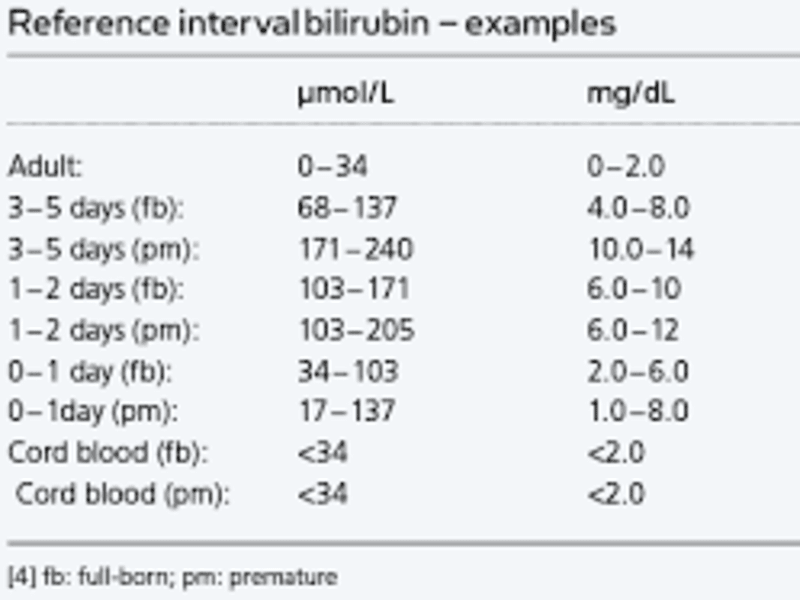
Bilirubin levels help assess liver health. This guide explains normal bilirubin values, types, causes of abnormal levels, symptoms, and when to seek medical advice.
April 11, 2026

Learn how to properly clean and care for your new ear piercing to ensure it heals beautifully and avoid infection. Follow our step-by-step guide for optimal results.
April 1, 2026