

Emergency & Help
24/7 Emergency & General Advisory
🚨 24/7 Medical Emergency
Non-Emergency Advisory
10:00 AM – 6:00 PM, Mon–Sat
For appointments & general queries.
24/7 Emergency & General Advisory
🚨 24/7 Medical Emergency
Non-Emergency Advisory
10:00 AM – 6:00 PM, Mon–Sat
For appointments & general queries.
Stay updated with our latest healthcare news and your appointments.
Thinking about dyeing your hair at home and wondering if wet hair is okay? We break down the science, the pros, and the cons of applying hair dye to wet versus dry hair, and when you might get away with it.

Ever wondered if that little voice in your head telling you not to dye your hair while it's wet is right? You've probably seen your stylist work their magic, applying colour before a wash, but when it comes to DIY at home, the advice often seems different. Why the discrepancy? Does dyeing wet hair lead to a home job that just doesn't measure up? Let's untangle this common hair conundrum.
The short answer? Yes, you can dye your hair when it's wet. However, and this is a big 'however,' the results might not be what you're hoping for, especially if you're aiming for vibrant, long-lasting colour. Think of your hair like a sponge. When it's dry, it's ready and eager to soak up all that goodness – the dye, in this case. But when it's wet, it's already full of water, leaving little room for the dye to penetrate deeply.
Hair dye works by penetrating the cuticle, the outer layer of your hair shaft. When your hair is dry, these cuticles are more open and receptive, allowing the dye molecules to get inside and work their magic. This deep absorption is what gives you rich, vibrant, and lasting colour.
When your hair is wet, the cuticles swell up with water. This makes it harder for the dye to penetrate. Instead of getting absorbed into the hair shaft, the dye tends to sit more on the surface. This leads to a few potential issues:
Nick Stenson, a celebrity stylist for L’ORÉAL/Matrix, explains it perfectly: “Water acts as a diluting agent.” He clarifies that while colouring wet hair isn't inherently 'wrong,' it limits the colour's ability to lift or deposit to its full potential. This directly impacts how long the colour lasts and how vivid it looks.
So, does this mean you should never touch dye to damp hair? Not quite. There are specific scenarios where using dye on damp hair can be beneficial:
If you're looking for a subtle tint or a more washed-out effect, dyeing damp hair can actually be a great option. It naturally dilutes the colour, resulting in a sheerer, more transparent look. This is particularly true for individuals with thick or coarse hair, which tends to be more absorbent than fine hair.
Cosmetologists and barbers also note that professionals sometimes use colour on damp hair, especially when toning. This process helps prevent over-depositing colour, which is crucial when trying to achieve lighter shades without unwanted brassiness.
Let's be honest, dyeing hair at home can be messy business! Applying colour to damp hair, perhaps in the shower, can help contain the drips and splatters. This is a primary reason why many at-home hair dye kits are formulated with the expectation that you might apply them to wet hair, making the process a bit more manageable for the average person compared to the precise brush-and-bowl techniques used in salons.
If you've weighed the pros and cons and decided that a subtler or more manageable home colour job is what you're after, here's a general guide. Always check the specific instructions on your hair dye packaging, as formulations can vary!
While dyeing damp hair has its place, the disadvantages are significant, especially for achieving professional-level results. Your hairstylist likely colours your hair when it's dry for very good reasons:
Dry hair allows stylists to meticulously control how the colour is applied and absorbed. They can see the exact shade and ensure even saturation. With wet hair, the moisture interferes with this precision. The colour can pool in some areas and slide off in others, making an even application incredibly challenging.
As we've discussed, the colour on wet hair sits more on the surface. This means it's not locked in as effectively. For permanent colours, this is a major drawback. The colour fades much faster, and you'll need to dye your hair more often to maintain the look. For anyone investing time and money into a colour change, this is a significant downside.
It's also worth remembering that hair is at its most fragile when it's wet. While dyeing, you're already introducing chemicals. The added stress of manipulating wet hair, which is more prone to stretching and breakage, can increase the risk of damage, especially if your hair is already compromised (dry, damaged, or chemically treated).
There are certain situations where dyeing wet hair is a definite no-go:
It's generally better to wait a day or two after washing your hair before dyeing it. This allows your natural scalp oils to build up, which can protect your scalp from irritation during the dyeing process. Also, avoid shampooing right before dyeing if you plan on using dye on damp hair as per instructions.
Dyeing wet hair itself isn't inherently damaging, but the compromised absorption and potential for uneven application can lead to dissatisfaction. If you're using a permanent dye on wet hair, the colour might not take properly, leading to a less-than-ideal result. The real risk comes from how well the colour takes and how long it lasts, potentially requiring more frequent treatments. Also, wet hair is more fragile, so rough handling during application can cause breakage.
Semi-permanent dyes coat the outside of the hair shaft and fade gradually over several washes (typically 4-12 washes). They are great for subtle colour changes or refreshing existing colour and are generally gentler. Permanent dyes penetrate the hair shaft, altering its structure to deposit colour. They provide long-lasting results and can lighten natural hair colour, but they also contain stronger chemicals and require more upkeep as roots grow out.
Porous hair, especially if it's been bleached or chemically treated, absorbs moisture (and dye) more readily. If your hair is very porous, dyeing it when wet might lead to an overly intense or uneven colour result, as the porous strands will soak up the diluted dye quickly. It might be better to let it dry slightly more or use a professional for very porous hair.
Always follow the specific instructions for your hair dye product. If the product is designed for use on damp hair, it will provide a recommended processing time. If you're experimenting with a product not explicitly for wet hair, it's best to err on the side of caution and perhaps start with a shorter time, checking the colour frequently.
Visit Hospital
Near You

For years, long COVID had no proven treatment — only symptom management. That changed in July 2026, when UCL researchers published trial results showing a structured cognitive rehabilitation program produced lasting improvement in long COVID brain fog. This piece explains what the trial found, how i
July 23, 2026
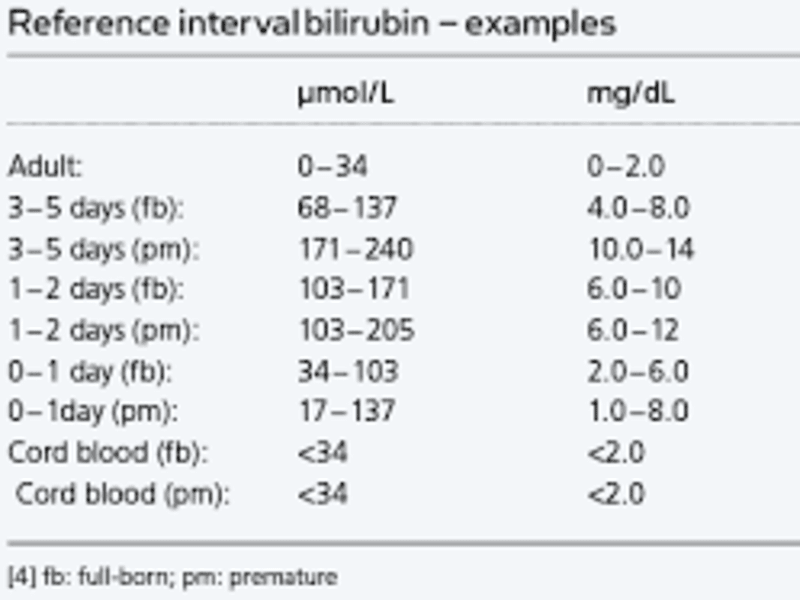
Bilirubin levels help assess liver health. This guide explains normal bilirubin values, types, causes of abnormal levels, symptoms, and when to seek medical advice.
April 11, 2026

Learn how to properly clean and care for your new ear piercing to ensure it heals beautifully and avoid infection. Follow our step-by-step guide for optimal results.
April 1, 2026