

Emergency & Help
24/7 Emergency & General Advisory
🚨 24/7 Medical Emergency
Non-Emergency Advisory
10:00 AM – 6:00 PM, Mon–Sat
For appointments & general queries.
24/7 Emergency & General Advisory
🚨 24/7 Medical Emergency
Non-Emergency Advisory
10:00 AM – 6:00 PM, Mon–Sat
For appointments & general queries.
Stay updated with our latest healthcare news and your appointments.
Curious if you can use body lotion on your face? While technically possible in a pinch, it's usually not the best idea. Discover the key differences between face creams and body lotions, why they aren't interchangeable, and what to look for in a facial moisturizer to keep your skin healthy and happy.

Ever found yourself staring at your skincare shelf, completely out of your usual facial moisturizer? The temptation to grab that big bottle of body lotion sitting right there, thinking, “What’s the harm? It’s a moisturizer, right?” is incredibly real. And hey, it often comes at a more budget-friendly price, making it seem like a smart money-saving move. But hold on a minute! While both are designed to hydrate your skin, the answer to whether you should slather body lotion all over your face is a bit more complicated than a simple yes or no. Your face deserves special treatment, and here’s why.
Think of it this way: the skin on your face is not the same as the skin on your arms or legs. It's a whole different ball game! Dermatologists consistently tell us that facial skin is significantly thinner and far more delicate. In fact, the skin on your eyelids is some of the most delicate skin on your entire body, rivaling even the skin in your groin area. This delicate nature means it’s more susceptible to irritation, environmental damage, and the signs of aging. Your facial skin also tends to have smaller pores, but these pores are packed with a higher concentration of oil glands. This can make your face a breeding ground for issues like acne and breakouts.
Now, contrast that with the skin on your back or your feet. This skin is often much thicker, more resilient, and can handle a bit more. It might have larger pores, but it’s generally tougher. Because of these fundamental differences, the products formulated for your face and those designed for your body reflect these unique needs. They’re not interchangeable, even if they look similar coming out of the bottle.
So, what exactly sets facial creams and body lotions apart? It boils down to their purpose and, consequently, their ingredients.
Products made for the body are typically formulated to be more potent. They’re designed to tackle the thicker, more resilient skin of your body, offering robust moisturization or exfoliation. This strength, however, can be a significant drawback when applied to the face. The same ingredients that work wonders on your rough elbows might be far too harsh or aggressive for your sensitive facial skin, potentially leading to redness, irritation, or even breakouts.
Facial creams, on the other hand, are crafted with meticulous care. They are specifically formulated to protect and address the unique vulnerabilities of facial skin. Many facial products also boast a more targeted approach, aiming to treat specific concerns that are more prevalent on the face. Think about common issues like acne, the appearance of redness or dark spots, uneven skin tone, or the fine lines and wrinkles that often appear first on our faces. These concerns are often linked to the thinner skin and higher concentration of oil glands found there. Facial products are designed to combat these issues effectively.
The ingredient lists are where the real divergence lies. Body lotions typically contain ingredients like rich butters and oils. Their primary goal is to create a barrier that locks in moisture, preventing dryness, especially on areas prone to roughness. While excellent for the body, these heavier ingredients can potentially clog the smaller pores on your face, exacerbating acne and leading to unwelcome pimples.
Furthermore, the fragrances found in many body lotions, often chosen for their pleasant scent, can be a major irritant for delicate facial skin. What smells delightful on your arms might trigger a rash or stinging sensation on your face. Facial lotions and creams, conversely, often incorporate more active ingredients. These might include things like hyaluronic acid for hydration, vitamin C for brightening, retinol for anti-aging, or salicylic acid for acne treatment. These powerful ingredients are chosen for their ability to address specific skin concerns and improve skin health. They often come with a higher price tag, which is why they are typically reserved for facial formulations rather than mass-produced body lotions.
You’ll also notice that many products marketed for the face aren’t even lotions. They are often creams. Generally speaking, creams tend to be richer and more concentrated, offering a higher level of moisturization and protection. Lotions, in contrast, are typically more water-based and have a lighter, more liquid consistency. This difference in texture affects how the product absorbs and feels on the skin, with lighter lotions being preferred for facial skin that can become easily overwhelmed by heavy creams.
Your facial skin is on the front lines, constantly exposed to the elements. Heat, cold, wind, pollution, and especially the sun’s damaging UV rays all take a toll. Many facial skincare products are designed with this constant exposure in mind. They often provide a dual benefit: protecting the skin from environmental aggressors while simultaneously working to repair and improve existing skin concerns. This protective and corrective action is less of a priority for most body care products.
Okay, so we’ve established that it’s generally not ideal. But are there any exceptions? In a true emergency, like if you’re traveling and left your facial moisturizer at home and the only option is a very basic, fragrance-free, gentle body lotion, a small amount might not cause immediate disaster. However, this should be a one-off, last-resort situation, not a habit.
It’s important to choose a body lotion that is explicitly labeled as non-comedogenic (meaning it won't clog pores) and free from harsh fragrances or dyes. Even then, be prepared for potential issues. Listen to your skin! If you notice any redness, stinging, or breakouts after using body lotion on your face, stop immediately.
Choosing the right moisturizer for your face is key to maintaining healthy, happy skin. Consider these factors:
While technically you can use body lotion on your face in a pinch, it’s strongly advised against making it a regular practice. The distinct differences in skin thickness, pore size, oil gland concentration, and exposure levels between your face and body mean they require specialized care. Facial moisturizers are formulated with specific ingredients and textures to address the unique needs and concerns of facial skin, offering protection and targeted treatment that body lotions simply cannot provide. Investing in a dedicated facial moisturizer is a small step that can make a big difference in the long-term health and appearance of your skin. Treat your face with the care it deserves!
A1: Yes, it absolutely can. Body lotions often contain heavier oils, butters, and fragrances that can clog the smaller, more numerous pores on your face. This blockage can lead to blackheads, whiteheads, and inflammatory acne.
A2: For your face, yes, a facial cream or lotion is almost always a better choice. Facial products are specifically formulated with ingredients and textures suited to the delicate nature and unique concerns of facial skin, such as sensitivity, acne, and signs of aging. Body lotions are designed for the thicker, less sensitive skin on the rest of your body.
A3: If you experience redness, itching, stinging, or breakouts, stop using the body lotion immediately. Gently cleanse your face and apply a soothing, simple moisturizer that you know works well for your skin. If the reaction is severe or persists, consult a dermatologist.
A4: Baby lotions are generally formulated to be gentle, but they are still typically designed for a baby’s body. While they might be less irritating than adult body lotions, they may still be too heavy or contain ingredients that aren't ideal for facial skin. It’s always best to use products specifically made for the face if possible.
Visit Hospital
Near You

For years, long COVID had no proven treatment — only symptom management. That changed in July 2026, when UCL researchers published trial results showing a structured cognitive rehabilitation program produced lasting improvement in long COVID brain fog. This piece explains what the trial found, how i
July 23, 2026
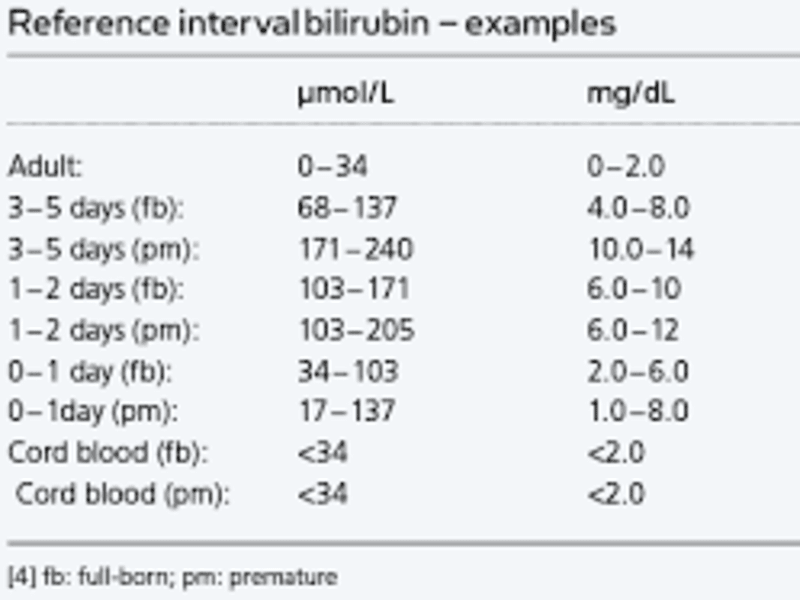
Bilirubin levels help assess liver health. This guide explains normal bilirubin values, types, causes of abnormal levels, symptoms, and when to seek medical advice.
April 11, 2026

Learn how to properly clean and care for your new ear piercing to ensure it heals beautifully and avoid infection. Follow our step-by-step guide for optimal results.
April 1, 2026