

Emergency & Help
24/7 Emergency & General Advisory
🚨 24/7 Medical Emergency
Non-Emergency Advisory
10:00 AM – 6:00 PM, Mon–Sat
For appointments & general queries.
24/7 Emergency & General Advisory
🚨 24/7 Medical Emergency
Non-Emergency Advisory
10:00 AM – 6:00 PM, Mon–Sat
For appointments & general queries.
Stay updated with our latest healthcare news and your appointments.
Tired of foggy glasses? Discover practical, proven tips to keep your vision clear, whether you're wearing a mask or dealing with changing temperatures. Learn simple fixes like mask adjustments, soap tricks, and more.

Are your glasses constantly fogging up, especially when you wear a mask? You're not alone. This common annoyance can turn into a real problem when it impairs your vision, whether you're driving, working, or just trying to navigate your day. The sudden cloudiness on your lenses means you either have to wait for it to clear or take off your glasses, neither of which is ideal. Fortunately, there are several practical and effective ways to keep your eyeglasses clear, even in challenging conditions like wearing a face covering. Let's explore some proven techniques to ensure you can see the world clearly, without the frustrating fog.
Fogging happens when warm, moist air comes into contact with a cooler surface, like your eyeglass lenses. Your breath is warm and humid. When you exhale, especially when wearing a mask that directs air upwards, this warm, moist air hits the cooler lenses of your glasses. The moisture condenses on the lens surface, forming tiny water droplets. These droplets scatter light, creating that foggy appearance that obstructs your vision. It’s a simple principle of physics, but it can be incredibly disruptive to daily life.
Imagine you're rushing to an important doctor's appointment. You've put on your mask, but as you step outside into the cool air, your glasses instantly fog up. You can barely see the street signs, and you're fumbling to adjust your mask and glasses, feeling a mix of frustration and anxiety about being late. This is a common situation many people face, highlighting the need for simple, effective solutions.
Often, the primary culprit behind foggy glasses is a poorly fitting mask. If your mask is too loose, especially around the nose bridge, warm air from your breath can escape upwards and directly onto your lenses. The best way to combat this is to choose masks with an adjustable nose wire or clip.
This is a classic, cost-effective method that many find surprisingly effective. Washing your glasses with mild soap and water can create a thin, transparent film on the lenses that helps prevent fog from forming.
Commercially available anti-fog sprays and wipes are specifically designed to coat your lenses and prevent condensation. These products are widely used in medical settings and are formulated for various types of eyewear, including eyeglasses, safety goggles, and swim masks.
Sometimes, a simple adjustment can make all the difference. You can reposition both your mask and your glasses to improve airflow and reduce fogging.
For a more secure seal, especially if other methods haven't worked, you can use skin-safe adhesive tape. This method helps to seal the top edge of your mask to your skin, preventing warm breath from reaching your glasses.
While many methods exist, not all are equally safe or effective for your eyeglasses. Some products or techniques can potentially damage lens coatings or even irritate your eyes.
While foggy glasses are usually a minor inconvenience, persistent vision problems or discomfort warrant professional attention. If you experience any of the following, it's time to see an eye care professional:
An optometrist or ophthalmologist can assess your vision, check your eye health, and recommend specific solutions tailored to your needs, including specialized lens coatings or prescription eyewear adjustments.
A: It is generally not recommended. Toothpaste contains abrasive particles that can scratch your lenses, damaging the surface and coatings. Stick to mild soap and water or dedicated anti-fog products.
A: The duration varies depending on the method and environmental conditions. Soap and water might last a few hours, while commercial sprays could last longer. Reapplication may be necessary throughout the day.
A: Yes, some specialty lenses come with permanent anti-fog coatings. However, these can be more expensive. For most people, the methods described above offer a cost-effective way to manage fogging.
A: Yes, the fit and material can play a role. Masks made of tightly woven fabrics that allow for a good seal around the nose tend to cause less fogging than looser, less structured masks.
Visit Hospital
Near You

For years, long COVID had no proven treatment — only symptom management. That changed in July 2026, when UCL researchers published trial results showing a structured cognitive rehabilitation program produced lasting improvement in long COVID brain fog. This piece explains what the trial found, how i
July 23, 2026
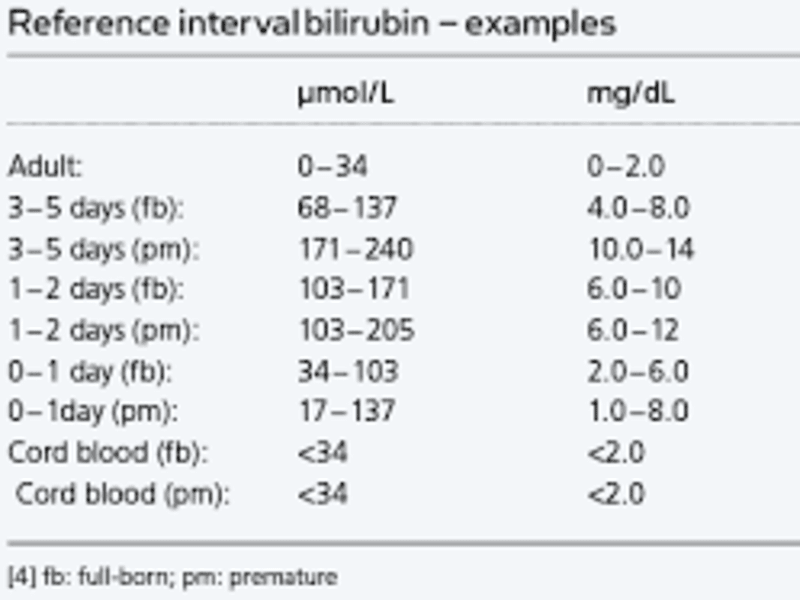
Bilirubin levels help assess liver health. This guide explains normal bilirubin values, types, causes of abnormal levels, symptoms, and when to seek medical advice.
April 11, 2026

Learn how to properly clean and care for your new ear piercing to ensure it heals beautifully and avoid infection. Follow our step-by-step guide for optimal results.
April 1, 2026