

Emergency & Help
24/7 Emergency & General Advisory
🚨 24/7 Medical Emergency
Non-Emergency Advisory
10:00 AM – 6:00 PM, Mon–Sat
For appointments & general queries.
24/7 Emergency & General Advisory
🚨 24/7 Medical Emergency
Non-Emergency Advisory
10:00 AM – 6:00 PM, Mon–Sat
For appointments & general queries.
Stay updated with our latest healthcare news and your appointments.
Learn safe and effective methods for removing stubborn boogers, understand why they form, and know when to seek medical advice for nasal discomfort and health.

We’ve all been there – a stubborn booger lodged deep in the nasal cavity, refusing to budge. While boogers are a natural and even beneficial part of our body’s defense system, dealing with the particularly persistent ones can be uncomfortable and sometimes even a little worrying. This guide will walk you through safe and effective ways to manage those tricky boogers, explain why they form, and when it’s time to consult a healthcare professional.
Boogers, or dried nasal mucus, are more than just an occasional nuisance. They play a vital role in protecting your respiratory system. Mucus lines your entire respiratory tract, from your nose and throat all the way down to your lungs. This sticky substance traps inhaled particles like dust, dirt, bacteria, and viruses, preventing them from reaching your lungs. Tiny hairs in your nose, called cilia, continuously move this mucus towards the front of your nasal passages, where it can be expelled.
When mucus dries out, it forms the familiar crusty boogers. They are a testament to your body’s constant work in filtering the air you breathe. While they are a sign of a healthy functioning nose, they can sometimes become problematic when they dry out too much or become difficult to remove.
Several factors can contribute to the formation of hard-to-remove boogers:
When faced with a stubborn booger, resist the urge to forcefully dig! Gentle methods are key to avoiding irritation and potential injury. Here’s what you can do:
Sometimes, a simple nose blow is all that’s needed. Try blowing your nose gently into a soft tissue. If you’re in a steamy environment, like after a shower, the moisture can help soften the mucus, making it easier to expel.
If blowing isn’t enough, try using a tissue to gently dislodge the booger. Wrap your finger in a tissue and try to carefully coax the booger out. Remember to wash your hands thoroughly before and after!
Saline solutions are a fantastic, natural way to moisten and loosen dried mucus. You can purchase over-the-counter saline nasal sprays or use a neti pot for nasal irrigation. Follow the product instructions carefully. This method helps to rehydrate the mucus, making it easier for your cilia to move it along or for you to gently blow it out.
Inhaling steam can work wonders for softening hardened mucus. You can achieve this by:
After a few minutes of steam inhalation, try blowing your nose gently.
You can also apply a warm, damp washcloth to your nose for a few minutes. The warmth can help soften the dried mucus, making it less brittle and easier to remove.
Your nose is a delicate area, and improper removal techniques can lead to problems. Avoid these common mistakes:
Dealing with boogers in little ones requires extra care. Infants and young children often can’t blow their noses effectively.
For babies and young children, a few drops of saline solution can help moisten stubborn boogers. After the saline has had a moment to work, a bulb syringe can be used to gently suction out the loosened mucus. Squeeze the bulb before inserting the tip into the nostril, then release the bulb to create suction.
If you’re struggling to clear your child’s nose, or if they seem distressed or have difficulty breathing, consult your pediatrician. They can demonstrate safe removal techniques or provide other solutions.
While most boogers are harmless, there are times when you should seek medical advice:
A doctor can examine your nasal passages, identify the cause of persistent issues, and recommend appropriate treatments, which might include prescription nasal sprays, antibiotics if an infection is present, or other interventions for structural problems.
While the act of picking itself isn't inherently harmful if done gently and with clean hands, it can lead to problems. It can introduce germs into your nasal passages, cause irritation and bleeding, and potentially push mucus deeper, leading to harder boogers. It’s generally recommended to use gentler methods like blowing your nose or using saline.
Boogers themselves don’t typically cause sinus infections. However, if mucus becomes trapped and stagnant due to severe congestion or blockages, it can become a breeding ground for bacteria, potentially leading to a sinus infection. Keeping nasal passages clear is important for prevention.
Staying hydrated by drinking plenty of water is key. Using a humidifier in dry environments, especially in your bedroom at night, can also help maintain nasal moisture. Avoiding irritants like smoke can also be beneficial.
Patience is important. Try to distract your child and create a calm environment. Gentle saline drops followed by a bulb syringe might be less intrusive. If you are concerned about their breathing or if they are very uncomfortable, consult your pediatrician for guidance.
Visit Hospital
Near You
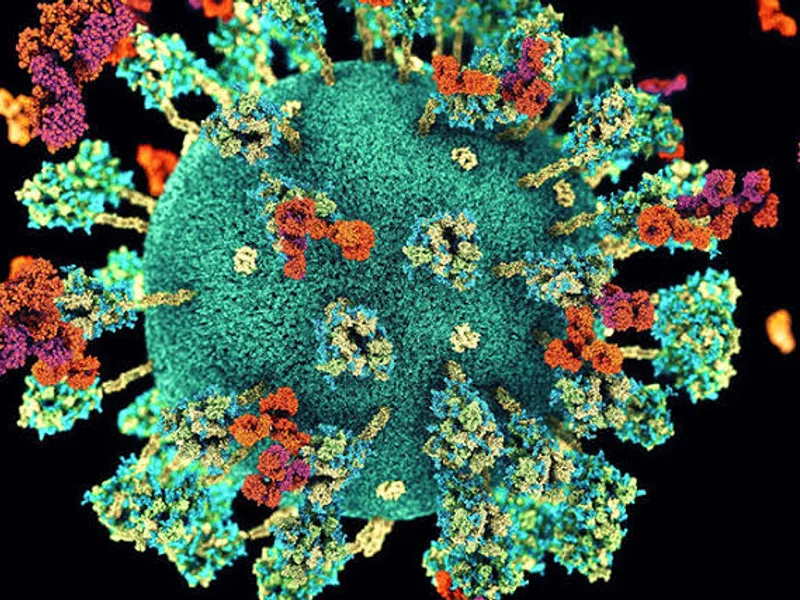
For years, long COVID had no proven treatment — only symptom management. That changed in July 2026, when UCL researchers published trial results showing a structured cognitive rehabilitation program produced lasting improvement in long COVID brain fog. This piece explains what the trial found, how i
July 23, 2026

Bilirubin levels help assess liver health. This guide explains normal bilirubin values, types, causes of abnormal levels, symptoms, and when to seek medical advice.
April 11, 2026

Learn how to properly clean and care for your new ear piercing to ensure it heals beautifully and avoid infection. Follow our step-by-step guide for optimal results.
April 1, 2026