

Emergency & Help
24/7 Emergency & General Advisory
🚨 24/7 Medical Emergency
Non-Emergency Advisory
10:00 AM – 6:00 PM, Mon–Sat
For appointments & general queries.
24/7 Emergency & General Advisory
🚨 24/7 Medical Emergency
Non-Emergency Advisory
10:00 AM – 6:00 PM, Mon–Sat
For appointments & general queries.
Stay updated with our latest healthcare news and your appointments.
Understand how alcohol affects your ability to drive and how long you should wait before getting behind the wheel. Learn about BAC, metabolism factors, and safer alternatives.
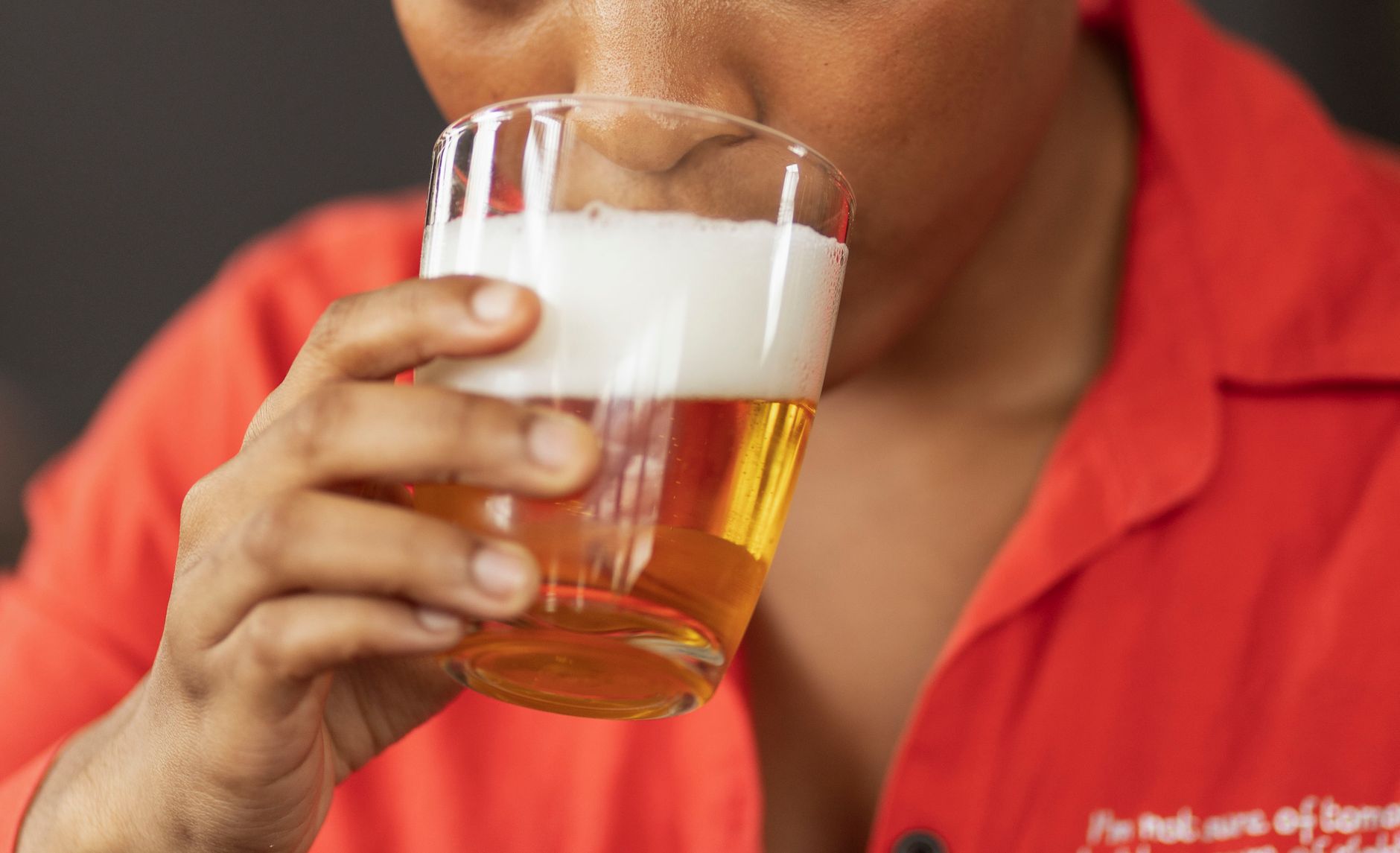
It's a question many people ponder after enjoying a few drinks: 'How long until I'm safe to drive?' While you might feel fine, your body might not be ready. Driving under the influence of alcohol is incredibly dangerous and can have devastating consequences. This guide will help you understand the factors affecting alcohol metabolism and why waiting is always the safest choice.
Your liver is the primary organ responsible for breaking down alcohol. On average, it can process about one standard drink per hour. A standard drink is typically defined as 12 ounces of beer (5% alcohol), 5 ounces of wine (12% alcohol), or 1.5 ounces of distilled spirits (40% alcohol). However, this is just an average, and many factors influence how quickly your body eliminates alcohol.
Blood Alcohol Concentration (BAC) is the measure of the amount of alcohol in your bloodstream. In India, while there isn't a specific BAC limit for driving, it is illegal to drive if your ability is impaired by alcohol. Many countries, like the US, set a legal limit, often around 0.08% (or 0.08 grams of alcohol per deciliter of blood). However, it's crucial to understand that your driving skills can be impaired well before you reach this legal limit.
Even a BAC below the legal limit can significantly affect your judgment, reaction time, and coordination. The National Highway Traffic Safety Administration (NHTSA) in the US reported that thousands of lives are lost each year in alcohol-related crashes, even involving drivers who were technically under the legal limit. This highlights that any amount of alcohol can be dangerous when driving.
Alcohol is a central nervous system depressant, and its effects on your cognitive and motor skills are profound:
Many people believe that a quick nap or a cup of strong coffee can sober them up. This is a dangerous myth. Sleep does not metabolize alcohol. While you sleep, your liver continues its slow process of breaking down alcohol. Coffee might make you feel more alert, but it does not reduce your BAC or improve your driving impairment.
Real-life scenario: Rohan had a couple of drinks at a friend's party. He felt a bit tired but decided he could drive home because it wasn't far. He thought a quick coffee would wake him up. Unfortunately, his judgment was impaired, and he misjudged a turn, narrowly avoiding a collision. Thankfully, no one was hurt, but it was a stark reminder that 'feeling fine' isn't the same as being sober.
Because alcohol metabolism varies so much, it's impossible to give a precise time frame that applies to everyone. However, here are some general guidelines based on the number of standard drinks consumed:
Remember, these are just estimates. If you've had more than a few drinks, or if you're unsure, it's safest to assume you are not fit to drive.
There is no reliable way to accurately test your own sobriety at home. Breathalyzer apps on phones are not accurate, and your impaired judgment means you cannot objectively assess your own driving ability. Even if you feel sober, your reaction time and coordination might still be compromised.
The only truly reliable way to know you are safe to drive is to wait a sufficient amount of time for your body to metabolize all the alcohol, or to arrange for alternative transportation.
While this article focuses on the immediate effects of alcohol on driving, consulting a doctor is advisable if you have concerns about your alcohol consumption habits, how alcohol affects your health, or if you are taking medications that might interact with alcohol. A healthcare professional can provide personalized advice and support.
Prioritizing safety means planning ahead. If you plan to drink, consider these options:
The safest approach is simple: Never drive after consuming alcohol. Even one drink can impair your abilities. Make responsible choices for your safety and the safety of others on the road. Let's all commit to making our roads safer by eliminating drunk driving.
Q1: Will eating food sober me up faster?
No, eating food does not sober you up faster. While food can slow the absorption of alcohol into your bloodstream, it does not speed up the metabolism process. Your liver still needs its usual amount of time to process the alcohol.
Q2: Can I drink a lot of water to flush out the alcohol?
Drinking water can help with hydration and potentially reduce the severity of a hangover, but it does not eliminate alcohol from your system faster. The body eliminates alcohol at a fixed rate, regardless of fluid intake.
Q3: How long does it take for alcohol to leave my system completely?
It depends on the amount consumed and individual factors. As a general rule, your body metabolizes about one standard drink per hour. For multiple drinks, this can take many hours, sometimes even a full day, for the alcohol to be completely cleared.
Q4: What are the legal consequences of drunk driving in India?
In India, driving under the influence of alcohol is a serious offense under the Motor Vehicles Act. Penalties can include hefty fines, imprisonment, and suspension or cancellation of your driving license.
Q5: I only had one small drink. Am I safe to drive?
Even one drink can impair your driving ability. Factors like your weight, sex, and metabolism play a role. It's always best to err on the side of caution and avoid driving, or wait a significantly longer time than you think you need to.
Visit Hospital
Near You
For years, long COVID had no proven treatment — only symptom management. That changed in July 2026, when UCL researchers published trial results showing a structured cognitive rehabilitation program produced lasting improvement in long COVID brain fog. This piece explains what the trial found, how i
July 23, 2026
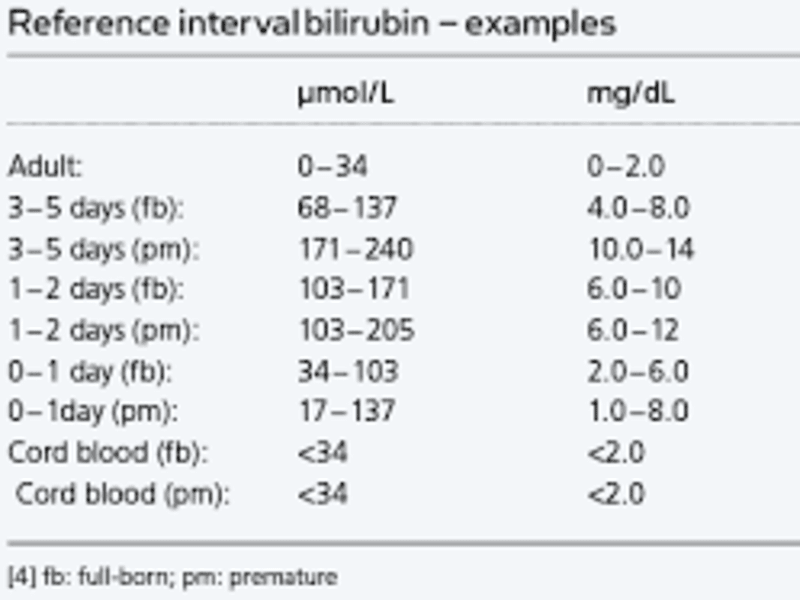
Bilirubin levels help assess liver health. This guide explains normal bilirubin values, types, causes of abnormal levels, symptoms, and when to seek medical advice.
April 11, 2026

Learn how to properly clean and care for your new ear piercing to ensure it heals beautifully and avoid infection. Follow our step-by-step guide for optimal results.
April 1, 2026